Sealing Gaps Can Limit Future Access
Kenosha shares regional winter conditions that can bring more heating use. As temperatures change, pipes and framing may shift and make sounds inside finished walls or ceilings. Compare the timing with household systems before treating a noise as evidence of movement behind the surface.
For a Kenosha home or small shop, references such as Simmons Island Park or Kemper Center can help orient a service request, but they do not explain a sound. The useful details are the room, the wall section, system timing, and any reachable signs at that property.
People who live or work in Kenosha may seek information, and property owners elsewhere in Kenosha County may also make inquiries. The pros we connect you with can explain their geographic limits when you identify the place where you need service.
Reducing Exposure to Rodent Bait
- SOUND TEXTURE
- A recurring sound can help narrow which room and wall section an inspector should assess, even though sound alone cannot identify its source.
- WHEN HEARD
- If a noise starts with water flow, heating, or a fan, its timing offers a clue to compare with household systems.
- OTHER SOURCES
- Fresh gnawing or nesting material on reachable surfaces adds evidence separate from the sound itself.
- VOID ACCESS
- A finished cavity can restrict device placement; the provider can explain which areas were accessible during assessment.
- VISIT SCOPE
- Interstate 94 is a Kenosha-area reference for describing a property; its location does not establish rodent activity there.
- DEVICE PLACEMENT
- Kenosha’s regional winter cold can mean more heating use, while temperature changes may shift pipes and framing. Compare wall or ceiling sounds with system operation; the season alone cannot identify what is moving or making noise.
- ACCESS WORK
- an estimated $80–$175
Identifying Droppings by Their Source
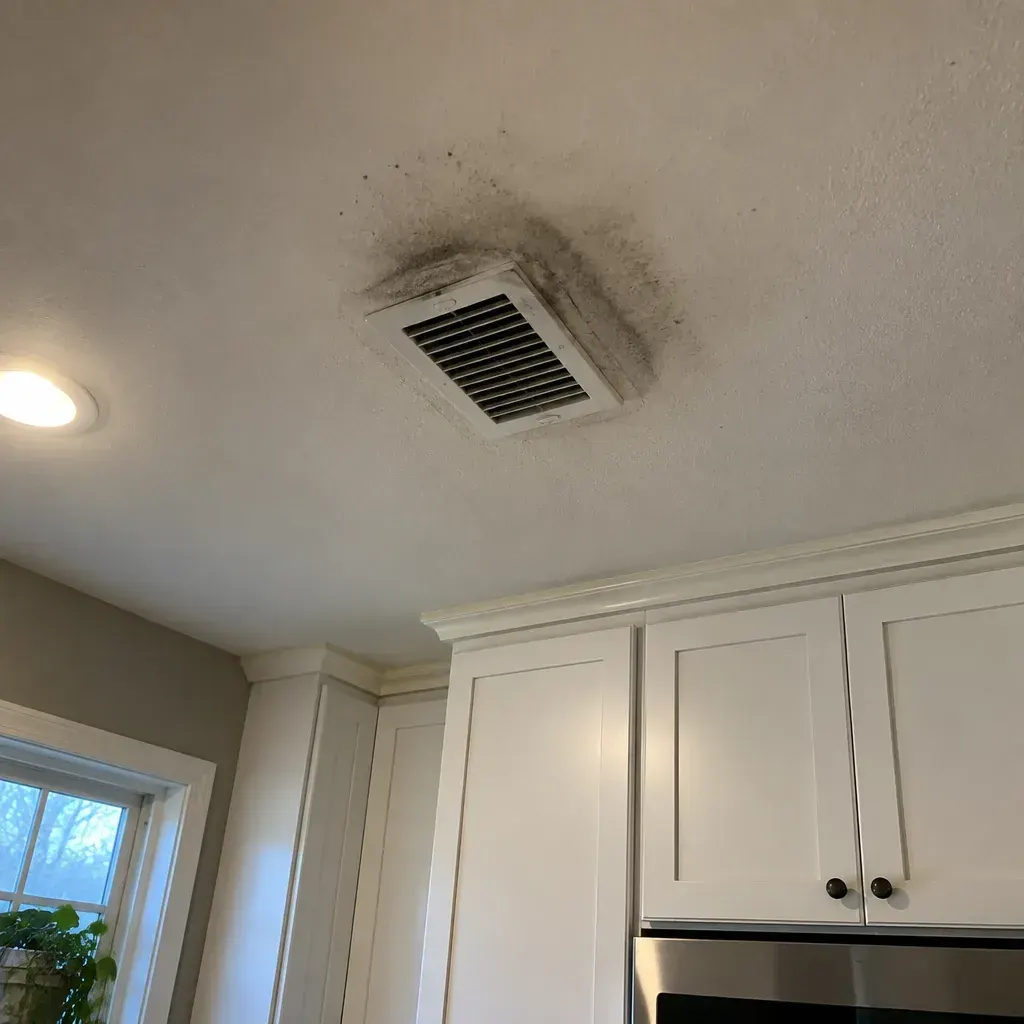
Air ducts can tick or rasp as airflow shifts a panel or metal changes temperature. Their sounds may follow a fan or heating cycle, while movement within a wall can occur independently of the equipment. The sound alone may not show whether movement or a building system is causing it. If it follows one of those events, describe the connection and the room where you hear it. A pattern independent of system use is a different clue, though it still needs assessment.
Trace Signs Back to Travel Paths
The pros we connect you with start by comparing your reported location with accessible wall edges, utility openings, and nearby signs such as gnawing or nesting material. They also consider whether the reported noise changes with heating, plumbing, or fan use.
Based on the findings, a provider may use trapping or baiting where activity can be addressed and seal accessible openings to limit entry. A later review can show whether the signs have changed after the initial control steps.
One appointment may be enough when inspection locates a limited route and the needed measures can be completed during the visit. Continued service has a clearer role when devices need checks, activity appears elsewhere, or entry gaps remain open; ask what each return visit would verify.
ACCESS FINDINGS FROM AN INITIAL VISIT BESIDE ONGOING SITE OBSERVATION
| Entry Routes |
Seal Entry Points |
|---|
| New signs limited to one room | Activity follow-up |
| Rodent signs recur after earlier service | Check device placement |
| Rodent evidence recurring across several unsealed routes | Gaps closed; control gear checked |
Store Food Away From Rodents
Keep a simple log of the room, surface, time, and household equipment in use when each noise occurs. From a safe position, note visible damage or openings on reachable surfaces. Do not cut into a wall or ceiling, reach into gaps, or place bait without following its label and precautions; arrange an inspection if sounds persist.
Rodent Waste and Indoor Air Concerns
Scratching is a disturbance, not by itself an injury warning. Scratching may come from movement through a gap, even when no animal is visible in the room. If a fixture flickers or you smell burning, stop using that circuit and contact an electrician, since noise alone cannot confirm wiring damage.
Ask What a Service Fee Includes
Ask whether an estimate includes later checks of placed traps or bait stations, and how those visits are reflected in the service plan.For a Kenosha home near Simmons Island Park or Monument Square, a guide range is an initial estimate for inspection and the control steps discussed. It does not automatically include repairs, extra visits, or sealing; tell the pros we connect you with what you noticed, then confirm any visit charge and the exact agreed work before scheduling.Review pricing guide for the complete band listing. Rodent Inspection describes the work involved in rodent control.