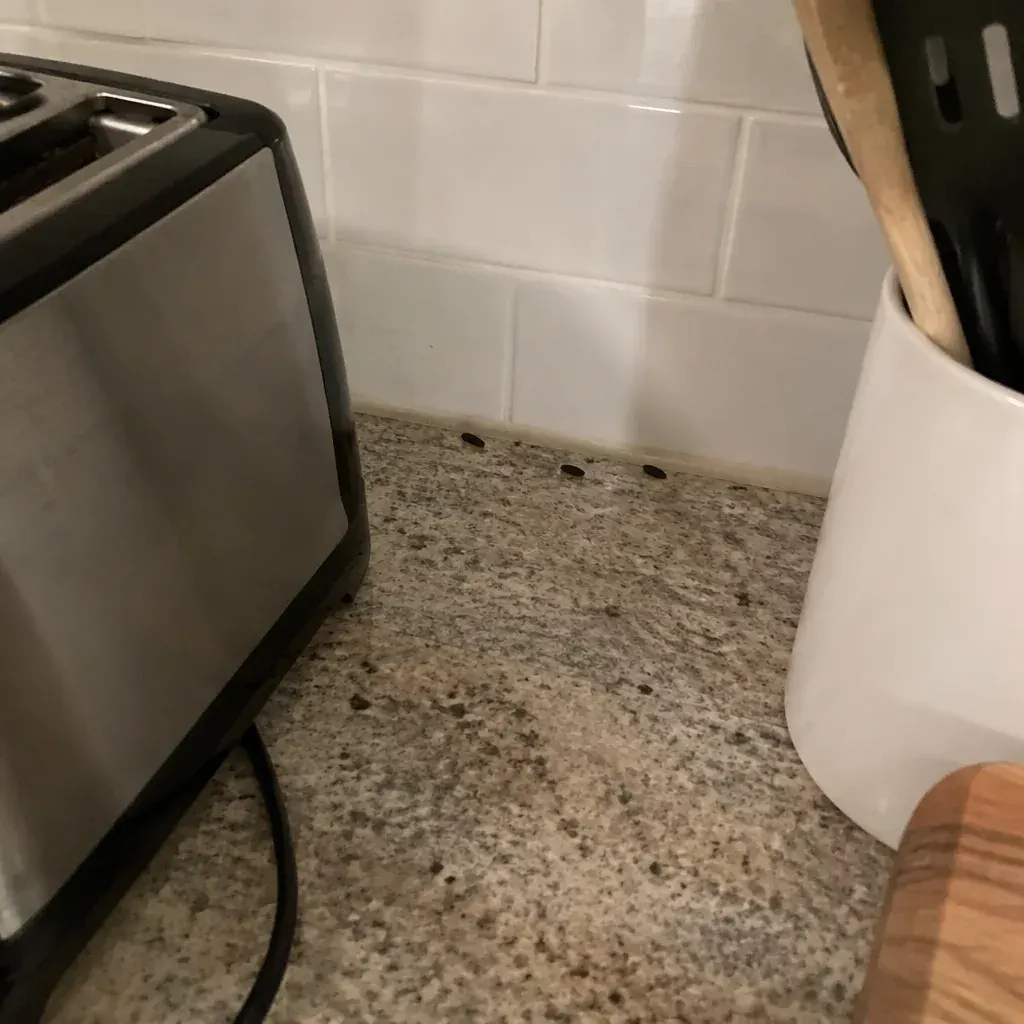
Rodent Warning Signs in Kenosha
Look at where signs appear, then consider whether a nearby opening could connect activity to the building. In Kenosha, droppings, gnawing, or sounds inside a wall can suggest rats or mice, but each clue needs context; an inspection can assess what is present. At homes and small commercial properties near Monument Square, Festival Park, or Reefpoint Marina, the pros we connect you with can examine gaps around doors, pipes, and foundations. Those openings may allow access, so findings help guide whether trapping, baiting, sealing, or prevention steps fit the property.
A sound, mark, or dropping can narrow down what to check, but it may not identify the rodent. Begin with where and when you noticed it. A brief log may show whether activity follows a routine or appears after food is left out.
Before handling anything around a Kenosha property, keep children and pets clear of traps and bait, and follow the product label; ask the pros we connect you with how devices are positioned and checked. Rodent waste and nesting debris can carry germs, so avoid dry sweeping or brushing that sends dust into the air. Store food in closed containers and remove crumbs you can reach, but know that clean surfaces do not shut gaps. Whether you are near North Beach or Festival Park, leave concealed areas for an inspection if reaching them would spread debris.
Signs of rodent activity needing prompt attention
Indoor rodent activity can put food and household surfaces at risk, while signs near an opening may call for attention to that route.
| Signs you noticed | What they may indicate | How soon to address them | Read more |
|---|---|---|---|
| Dead Rodents Found In Kenosha, a dead rodent has a small, fur-covered body with four short limbs, a pointed or blunt snout, and a long tail. Its coat may look gray, brown, or mixed in color. The body may lie curled or stretched, with limbs tucked close or extended and fur smooth, flattened, or matted. | In Kenosha, whether you find one in a house near Memorial Park or a small shop by Dinosaur Discovery Museum, it shows a rat or mouse was inside at some point. The body alone cannot show if activity continues or where an animal got in. Keep people and pets clear, avoid stirring nearby dust, and ask the pros we connect you with about removal and checking for other signs. | In a Kenosha house or shop near Simmons Island Park, a body left in a walkway can be kicked or swept aside during ordinary use, even that day. Disturbing nearby droppings or urine can stir contaminated dust, so keep the area clear until it is addressed. | Rodent Inspection |
Signs worth having inspected
A rodent concern may be nonurgent, but address it before signs extend to other areas.
| Signs you noticed | What they may indicate | How soon to address them | Read more |
|---|---|---|---|
| Rodent Nesting Materials In a Kenosha home, the material may sit beside a baseboard, in a cabinet recess, or above a ceiling panel. Its texture can offer a clue, but appearance alone cannot confirm what the material contains. | Start with the bundle, then check the nearby surface and possible openings. In a Kenosha home or small shop, gathered or shredded material can mark a sheltered spot rodents have used, but it cannot confirm a nest is occupied. Have the pros we connect you with inspect the material and access points; checking the property puts the sign in context. | If an opening remains usable, rodents could add or shift loose material over days or weeks, making the bundle larger and its edges harder to distinguish. A check at a Kenosha property can show whether the material has changed and whether access points remain open. | Rodent Inspection |
| Rodent Tracks On dusty floors, ledges, or low shelves, look for tiny marks in a repeating pattern: rounded or oval pads, sometimes with fine toe points. A tail mark is a thin, uneven line that may run beside the prints. The dust feels loose and powdery around the marks; near the Dinosaur Discovery Museum in Kenosha, the same descriptions apply. | Rodent tracks are marks in dust that help locate a place to inspect, but do not show which control step fits. In Kenosha, record where you saw them; the pros we connect you with can assess nearby access points before recommending action. Even homes near Kenosha Public Museum, Dinosaur Discovery Museum, or Lake Michigan need property-specific findings. | A broom, shoes, or fresh dust can quickly blur the pattern, making the original route harder to see after ordinary cleaning. If activity continues, later marks may overlap it. In Kenosha, photograph the area before disturbing it so an inspection can assess what remains. | Rodent Inspection |
| Rodent Sightings Chewed edges on food packages can signal that a rodent has been exploring the room. Its coat may look gray, brown, or dark. Indoors in Kenosha, you might see it along a floor edge, beside stored items, or crossing an open part of a room; its size and color vary. | After a rat or mouse appears indoors in Kenosha, note the room and its direction of travel. Check nearby wall edges and utility openings for droppings, gnawing, or sounds; these clues can help an inspection locate activity and possible entry gaps. In a house or small commercial space near Reefpoint Marina, Johnson Wax Headquarters, or Monument Square, the pros we connect you with can assess the findings and explain suitable control and follow-up steps. | If an access gap stays open, activity can continue between service checks; the interval depends on the service plan, so a return may be noticed at a later check. In Kenosha, which room or route needs attention, and what would show that activity continues? | Rodent Inspection |
| Rodents Seen During the Day At a Kenosha property near Simmons Island Park, the sight may be a compact gray, brown, or dark body close to the floor, with four legs, a pointed muzzle, fine whiskers, rounded ears, and a long, thin tail. It may pause or dart along a baseboard; from a distance, its outline can look mouse-sized or rat-sized. | Droppings or gnaw marks can reveal activity even when no animal is in view. A daylight sighting does not determine the treatment by itself. In Kenosha, whether it is a house near American Legion Memorial Park, a shop by Dinosaur Discovery Museum, or an office near Kemper Center, the pros we connect you with should explain the plan. | An unsealed opening can leave a route usable, allowing movement and fresh signs to continue over the next several days. In Kenosha, even near Village Square Park, one sighting cannot show the extent; an inspection can locate possible access points. | Rodent Inspection |
Signs to keep an eye on
Damage may be absent while rodent signs still deserve review.
| Signs you noticed | What they may indicate | How soon to address them | Read more |
|---|---|---|---|
| Rodent Urine Odor It may register as a piercing, ammonia-like note or as a stale, damp smell, with intensity changing as you move between rooms. In Kenosha, this sign has no outline, shade, or texture to examine: you perceive it in the air, not as a mark on a surface. | A sharp or musty urine odor can suggest rodent activity, but smell alone cannot confirm it or show where it began. In Kenosha, note when and where it is strongest; whether you are in a home near Lake Michigan Park or a shop near RecPlex, the pros we connect you with can inspect for other signs and possible access points. | If the source remains, the odor can stay noticeable from day to day and reach adjoining rooms. During Kenosha’s cold weather, closed windows may make it harder to air out; a lingering smell merits an inspection to assess whether activity continues. | Rodent Inspection |
| Rodent Urine Stains On a painted lower wall, trim, or floor edge, a possible mark may be a small pale yellow, straw, tan, or brown spot, a narrow run, or a thin uneven line. Once dry, it can look flat and matte, sometimes with a faint crust at the edge; the surface may feel dry or slightly tacky. | Rodent urine staining is a suspected discoloration left where urine has contacted a surface. It gives you a specific spot to record and inspect, but cannot by itself tell you whether rodents remain. For a Kenosha house near Lake Michigan or a small business by Interstate 94, note the mark’s location and compare that area with droppings, gnaw marks, or possible entry gaps during an inspection. | If deposits recur, separate marks can merge into a darker patch over several days, and residue can remain on the surface. Overlapping marks can make it harder to tell whether a stain is new or left from an earlier deposit. Keep the spot undisturbed until it can be cleaned without raising dust. | Rodent Inspection |
| Pets Reacting to Rodents The visible sign is the pet’s posture: a dog may pause with its nose close to a baseboard, head angled toward a cabinet edge, or paw lifted beside a narrow floor gap. A cat may crouch low, ears forward, eyes fixed on a seam, tail held still or flicking briefly. The wall itself has no defining mark. | Keep the pet away from suspected droppings or nesting material until the inspection can assess the signs. Note the location and timing, then check for droppings, gnawing, nesting material, or sounds; an inspection can assess what those signs show. | In Kenosha, a pet’s repeated return warrants a timely check: if rodents are present and an entry route stays open, activity can continue over time and the pet may keep reacting. The licensed pros we connect you with can explain what to leave undisturbed while the inspection findings are reviewed. | Rodent Inspection |
| Rodent Fur Found In Kenosha, fur can appear as fine, lightweight strands, either scattered singly or tangled into a loose wisp. Individual hairs may be tan, brown, gray, or very dark. They can lie along a floor edge, shelf, or wall seam, or catch on a rough surface. The strands feel soft and barely substantial. | Rodent fur found means hairs noticed on a property; record the exact spot and whether it is beside an opening, which can guide an inspection. The pros we connect you with can check nearby gaps, since rodents can enter through small openings. A clear photo can preserve the appearance of the fur before it is disturbed. | A route that remains in use can collect more traces over time, while an open gap can leave access available. Droppings or gnaw marks can provide clues even when no pest is seen. | Rodent Inspection |
| Rodent Rub Marks A Kenosha wall in a home or small storefront near Kenosha Public Museum may show a charcoal, brown, or black smudge: a short patch or uneven narrow streak. Beside a baseboard or pipe, it can have soft edges and a dull sheen; the surface may feel slick or waxy. The outline can be faint or layered. | In Kenosha, a dark trace is a contact clue, not confirmation of rodents inside. A dark trace alone cannot show whether rodents are still using that route. Then have the route and nearby signs checked; droppings, gnawing, and access gaps help an inspection judge what is happening. | Repeated passage can deepen or widen a smear over days or weeks, making its original outline harder to read. Nearby droppings, gnawing, and access gaps can help put a changing trace in context. | Rodent Inspection |
Rodent Service Details
What does rodent urine odor mean?
A sharp or musty urine odor can suggest rodent activity, but smell alone cannot confirm it or show where it began. In Kenosha, note when and where it is strongest; whether you are in a home near Lake Michigan Park or a shop near RecPlex, the pros we connect you with can inspect for other signs and possible access points.
What does rodent nesting materials mean?
Start with the bundle, then check the nearby surface and possible openings. In a Kenosha home or small shop, gathered or shredded material can mark a sheltered spot rodents have used, but it cannot confirm a nest is occupied. Have the pros we connect you with inspect the material and access points; checking the property puts the sign in context.
What does rodent tracks mean?
Rodent tracks are marks in dust that help locate a place to inspect, but do not show which control step fits. In Kenosha, record where you saw them; the pros we connect you with can assess nearby access points before recommending action. Even homes near Kenosha Public Museum, Dinosaur Discovery Museum, or Lake Michigan need property-specific findings.
What does rodent sightings mean?
After a rat or mouse appears indoors in Kenosha, note the room and its direction of travel. Check nearby wall edges and utility openings for droppings, gnawing, or sounds; these clues can help an inspection locate activity and possible entry gaps. In a house or small commercial space near Reefpoint Marina, Johnson Wax Headquarters, or Monument Square, the pros we connect you with can assess the findings and explain suitable control and follow-up steps.
What does rodents seen during the day mean?
Droppings or gnaw marks can reveal activity even when no animal is in view. A daylight sighting does not determine the treatment by itself. In Kenosha, whether it is a house near American Legion Memorial Park, a shop by Dinosaur Discovery Museum, or an office near Kemper Center, the pros we connect you with should explain the plan.
What does rodent urine stains mean?
Rodent urine staining is a suspected discoloration left where urine has contacted a surface. It gives you a specific spot to record and inspect, but cannot by itself tell you whether rodents remain. For a Kenosha house near Lake Michigan or a small business by Interstate 94, note the mark’s location and compare that area with droppings, gnaw marks, or possible entry gaps during an inspection.
What does pets reacting to rodents mean?
Keep the pet away from suspected droppings or nesting material until the inspection can assess the signs. Note the location and timing, then check for droppings, gnawing, nesting material, or sounds; an inspection can assess what those signs show.
What does rodent fur found mean?
Rodent fur found means hairs noticed on a property; record the exact spot and whether it is beside an opening, which can guide an inspection. The pros we connect you with can check nearby gaps, since rodents can enter through small openings. A clear photo can preserve the appearance of the fur before it is disturbed.
What does rodent rub marks mean?
In Kenosha, a dark trace is a contact clue, not confirmation of rodents inside. A dark trace alone cannot show whether rodents are still using that route. Then have the route and nearby signs checked; droppings, gnawing, and access gaps help an inspection judge what is happening.
What does dead rodents found mean?
In Kenosha, whether you find one in a house near Memorial Park or a small shop by Dinosaur Discovery Museum, it shows a rat or mouse was inside at some point. The body alone cannot show if activity continues or where an animal got in. Keep people and pets clear, avoid stirring nearby dust, and ask the pros we connect you with about removal and checking for other signs.
Use Signs to Narrow the Next Step
Record the sign before contacting anyone: note whether it was a sound, a mark on packaging, or material gathered in a corner, and identify the exact area. Do not stir dust if droppings are present and need cleaning. In Kenosha, share those details with the pros we connect you with and ask what an inspection would examine, which control approaches might suit the findings, and what the visit costs. Request a written description of any proposed work and its charges.
Call (262) 665-0359