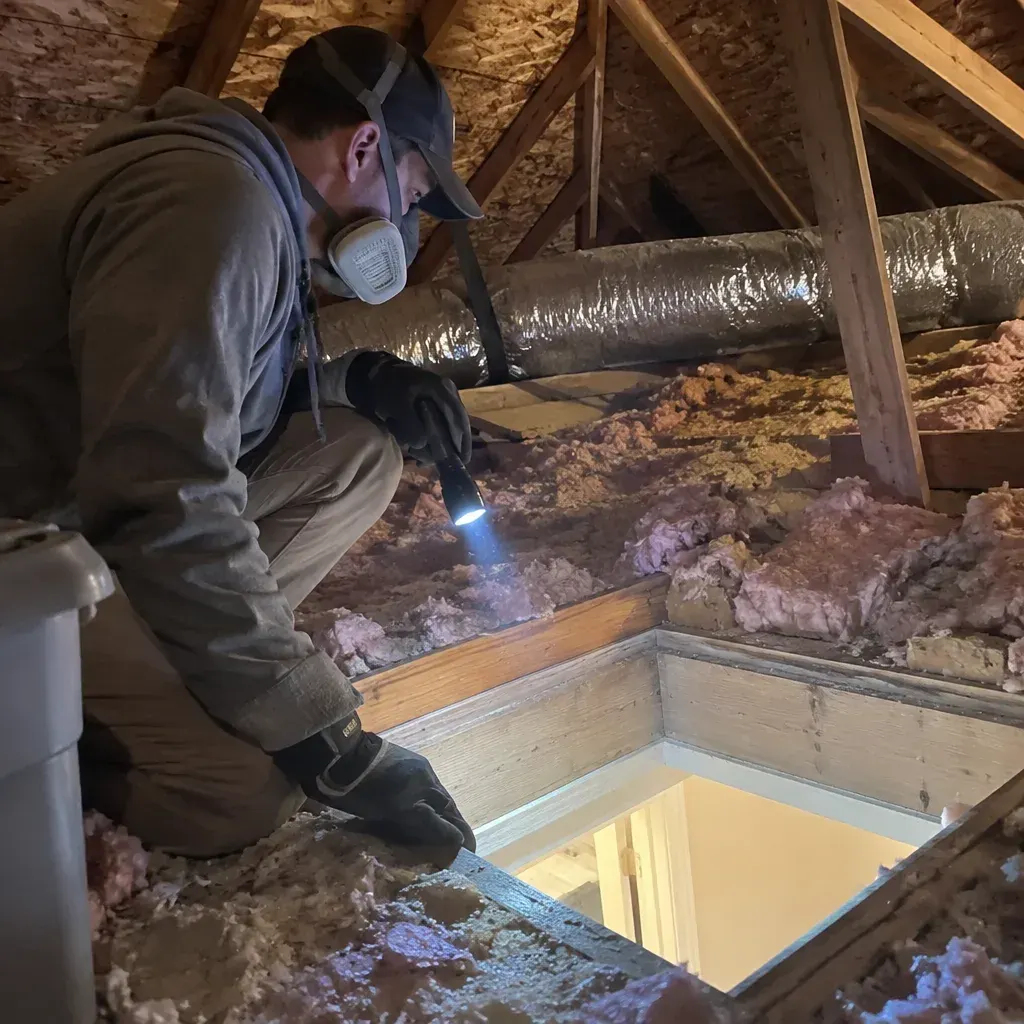
How Many Mice?
In Kenosha, one mouse cannot reveal how many may be nearby. Unsealed food and crumbs can make a room more inviting to mice.
Read article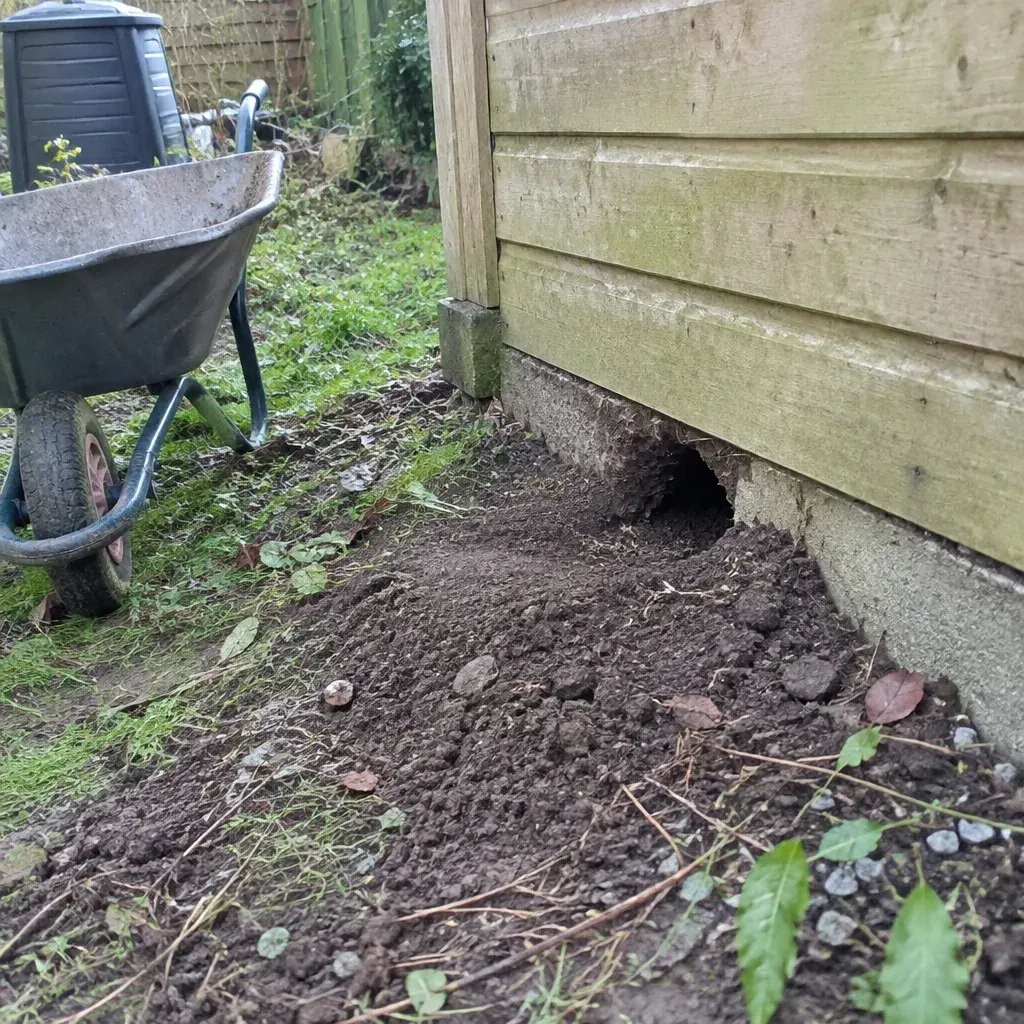
Inspection, rat treatment, possible entry sealing, and checks for Kenosha properties
Kenosha’s winter weather can hide narrow openings at a door or foundation until thaw exposes them again. If you notice rat droppings or fresh gnawing indoors, note the room and check nearby food storage and accessible edges without disturbing contaminated material. A home near Simmons Island Park and one closer to the Kenosha Public Museum may have different routes to inspect; the landmark does not indicate whether rats are present. Record what you find and where, then share those details when seeking control options.
When you contact the pros we connect you with, describe the affected rooms and any limits on access, such as stored belongings blocking a utility area. In Kenosha, an estimate can depend on how many reachable areas need review, whether rat treatment calls for trapping or baiting, and whether practical openings can be sealed. Accessible food or water can influence where rats travel, so mention any changes around the affected rooms.
In Kenosha, Simmons Island Park can help orient a service address; Rat Control decisions follow property findings, with the pros we connect you with considering site conditions across Sturtevant, Pleasant Prairie and Bristol.
Choose the page by who is responsible for the building: residential rodent control serves homeowners, and commercial rodent control addresses landlords and business operators.
Rat droppings along a wall, behind appliances, or near stored food can help mark a route for inspection. Look for gnawed packaging or damaged containers nearby, and note whether the evidence appears fresh or has accumulated. In Kenosha, report the exact room and surface rather than assuming the sign shows where rats entered. Keep food sealed and crumbs cleared while the source is assessed; those steps reduce available food but cannot close an opening.
Repeated scraping or movement sounds from a ceiling, wall, or floor give you an area to report, but they do not show the route rats use. Note the time and location, then point out nearby closets, utility spaces, or access panels that can be reached. For a Kenosha property, clear access to the reported area before the visit if you can do so safely. The pro can compare the sound location with visible signs and possible openings.
Rats may gather paper, fabric, or other loose material in a sheltered corner. Avoid handling a suspected nest or sweeping dry droppings, since disturbing dust can expose you to germs. Keep people and pets clear, and tell the pro where the material is and whether you saw fresh signs nearby. In Kenosha, that location can help focus the inspection; the material alone does not confirm how rats are entering or what treatment will fit.
The licensed pros we connect you with may also look for conditions that could support rat activity or make entry easier.
Likely routes and openings around doors, pipes, and foundations are considered to help explain how rats may be reaching the affected area.
Inspection findings guide whether trapping or baiting fits, and which accessible openings could be sealed as part of the proposed scope.
If follow-up is offered, later checks review signs and device condition; the agreed service plan sets their timing.
A trap or bait station can address rats using one part of a property, while an open gap may leave another route available. Kenosha homes have different access points, so inspection matters more than assumptions based on a nearby landmark such as Dinosaur Discovery Museum. Sealing suitable openings can support control by limiting entry, while follow-up can show whether activity remains. The useful plan connects the signs, reachable routes, and control steps found at your property.
Rat control in Kenosha begins by noting where fresh droppings, gnaw marks, nesting scraps, or noises appear, then tracing reachable routes and gaps that could admit rats. A house pantry wall and a small shop's receiving area can call for different placements because food storage and foot traffic differ. Narrow gaps around pipes or doors can give rats a way inside, so those edges deserve attention during an inspection. Kenosha references such as Dinosaur Discovery Museum and Kenosha Public Museum identify the service area; they say nothing about activity at an individual address.
Ask for a written scope that names the areas inspected and separates proposed control from any sealing or monitoring offered. The estimate may change if stored items prevent access, signs extend beyond the reported room, or additional openings need review. In Kenosha, share any access limits before work is planned, including locked or crowded utility spaces. Confirm which follow-up checks are included and when the provider expects to review activity or device condition.
In Kenosha, Rat Control estimates are preliminary; ask the pros we connect you with about the visit fee and request a written outline of covered work.
| Signs Present | Planned Treatment | Estimate Inputs |
|---|---|---|
| Sparse Findings | Monument Square area: assess signs and possible access; trapping, baiting, sealing, and later checks excluded | an estimated $325–$575 |
| Steady Findings | Agreed traps or bait plus opening seals after inspection; device checks not included | an estimated $375–$750 |
| Concentrated Findings | Inspect, place agreed traps or bait, then check activity; entry sealing excluded | an estimated $325–$575 |
| Concealed Findings | Findings guide agreed control and entry sealing, with follow-up if the plan includes it | an estimated $780–$2,300 |
A limited plan may address activity alone; a broader one can add prevention advice or repairs, each with its own labor and materials. Ask how those additions appear in the estimate, then use the full pricing guide to understand what can affect the total.
A rat treatment is the service to request when signs suggest active rats; a rat exterminator can assess affected areas and recommend control steps suited to the property. Tell the pros we connect you with where you found droppings or gnaw marks and whether sounds come from a wall, attic, or storage space. For a Kenosha address, a reference such as Monument Square can help clarify location, while the property's signs guide the discussion.
Ask whether recommended control and sealing work will be described separately so you can understand what the estimate covers. Stored belongings or locked utility spaces may affect the scope. For a Kenosha home, tell the pro about access limits when arranging the visit, then ask what could change the estimate if additional rat signs or openings are found.
Note any signs behind stored items or along wall edges, since they can be easy to miss. Keep people and pets away from suspected contamination, and avoid stirring up dust while cleaning. In Kenosha, you can also mention whether the signs are near a basement, garage, or utility area and whether anything blocks access. These details help the pro plan what to inspect.
Ask the provider which follow-up checks are included and how their timing is set in the service plan. Ask what to do if a control device is disturbed or you find a new sign before the next check. If you notice new signs between visits, record their location and tell the pro. The plan may need review when activity or access conditions change.
Control devices address activity where rats are moving; sealing suitable gaps can help limit routes back inside. Ask which repair method fits each opening, since the right approach can vary by the gap. In Kenosha, ask the pro to distinguish sealing included in the proposed work from openings that need another type of repair.
Coverage depends on the address and the provider’s service area. Kenosha residential coverage includes standard delivery ZIP areas, but ZIP boundaries do not establish municipal limits or confirm service at a particular property. Share your street address when asking to connect with a pro, along with the rat signs and affected areas, so the request can be checked against available coverage.
For rodent control, $80–$175 is an estimated amount. Whether the work includes device placement and later checks can affect the scope; the pros we connect you with confirm it.
Track where activity appears and when it changes; those details help focus a property inspection.
In Kenosha, one mouse cannot reveal how many may be nearby. Unsealed food and crumbs can make a room more inviting to mice.
Read article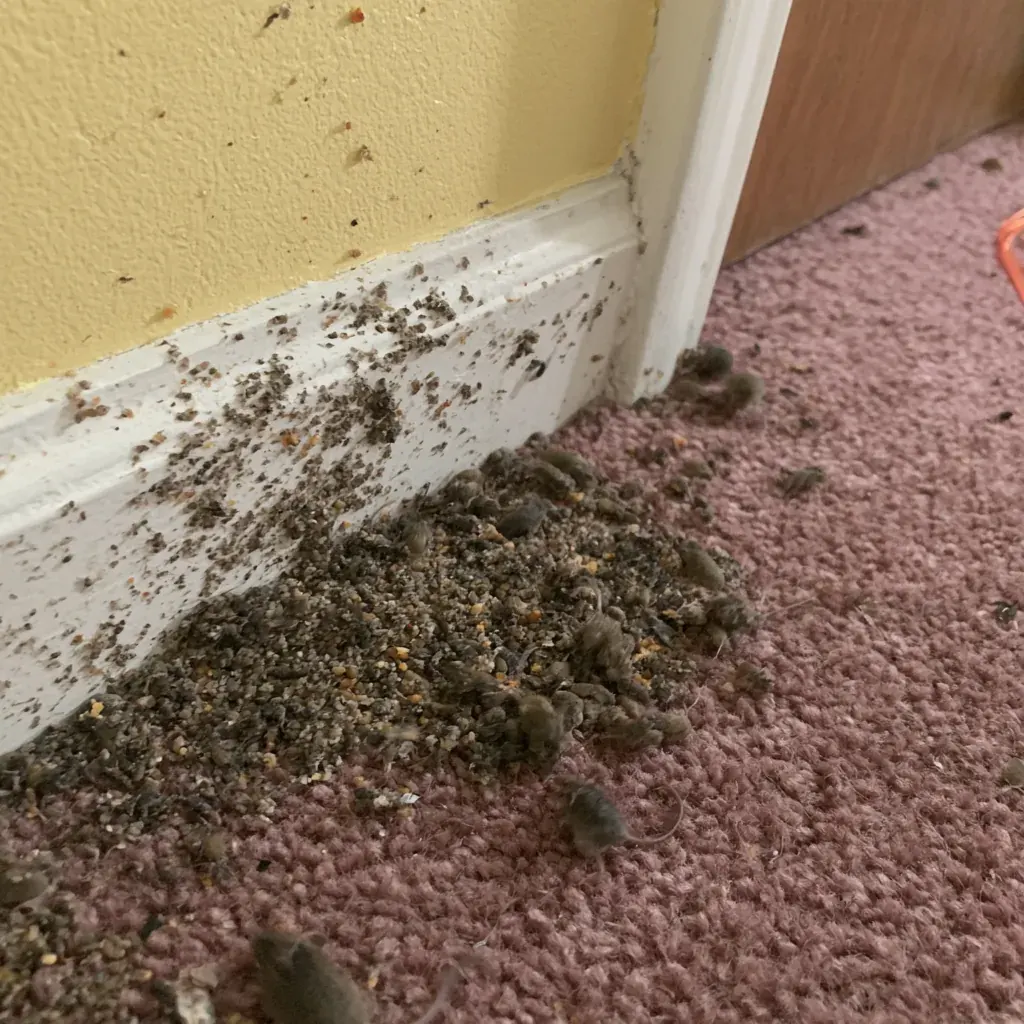
A quick glimpse may not settle rat or mouse. Compare the animal’s proportions with other visible clues, then note what you saw for an assessment.
Read article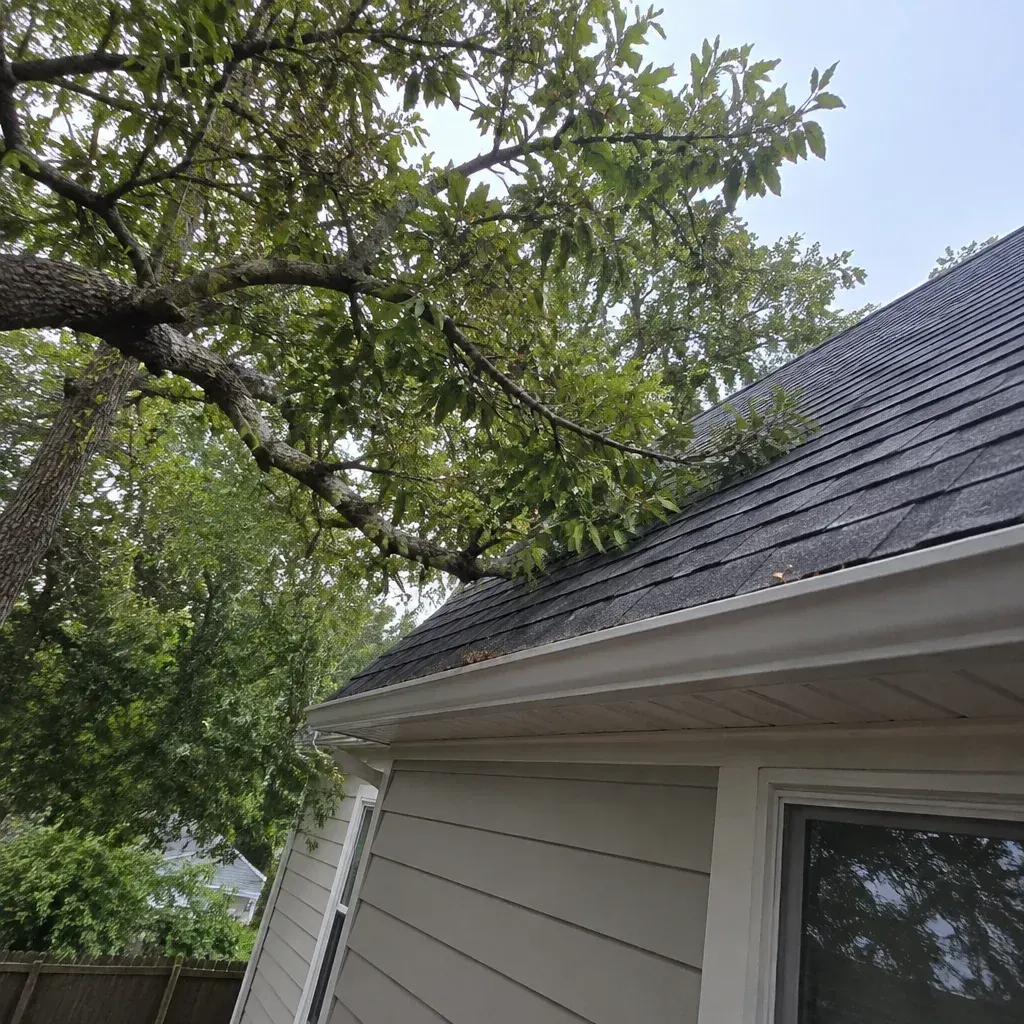
Learn how to address shed rodents in Kenosha by checking signs first, securing supplies, spotting possible access, and avoiding mistakes with control and cleanup.
Read articleWhen asking about rodent control near Kenosha Public Museum or another part of town, give the pros we connect you with the property location and a short description of the activity. Ask if they serve that location, when an inspection could be arranged, and what the visit charge covers. You can also request the planned tasks in writing and ask whether the provider offers any warranty terms. Those details help you understand the proposed service before deciding how to proceed.
Call (262) 665-0359