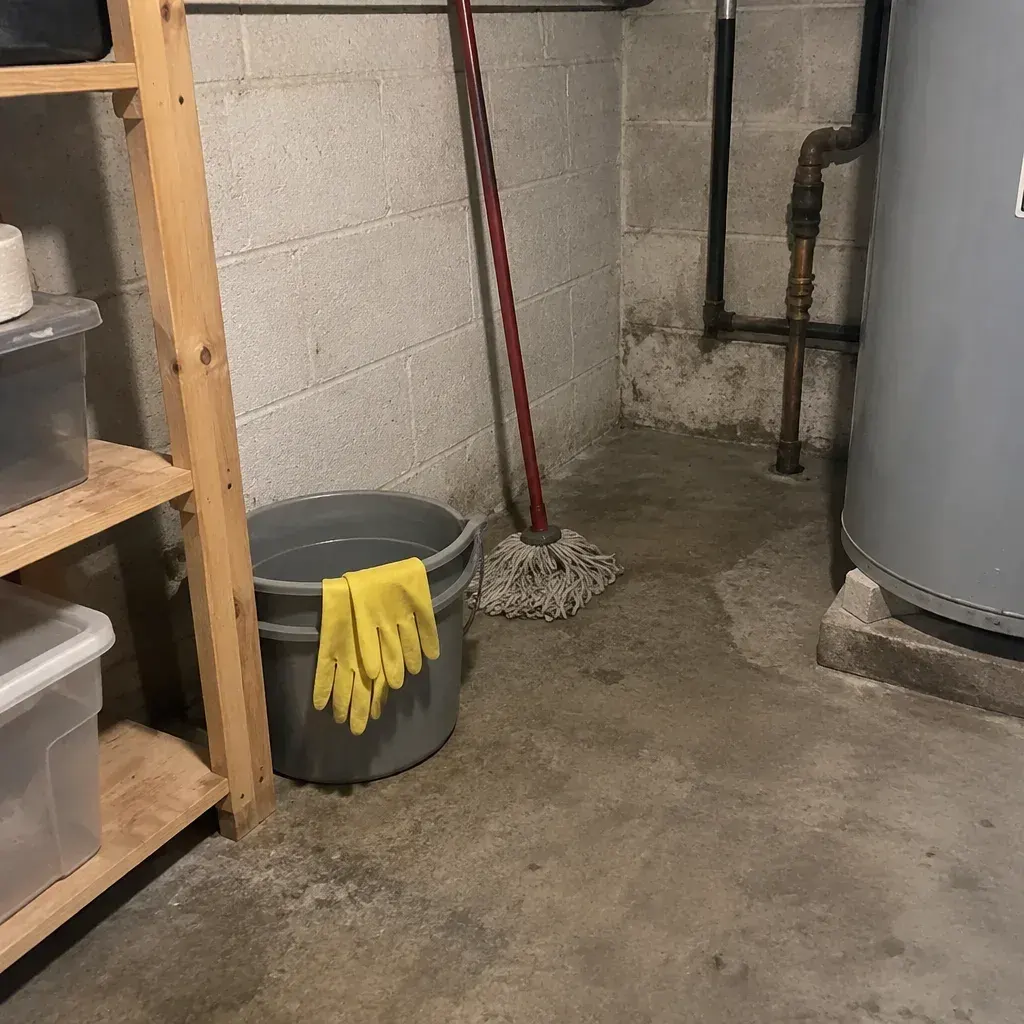
Rodent Inspection
Check the signs, trace possible access, and use findings to guide next steps.
View Rodent Inspection help in Kenosha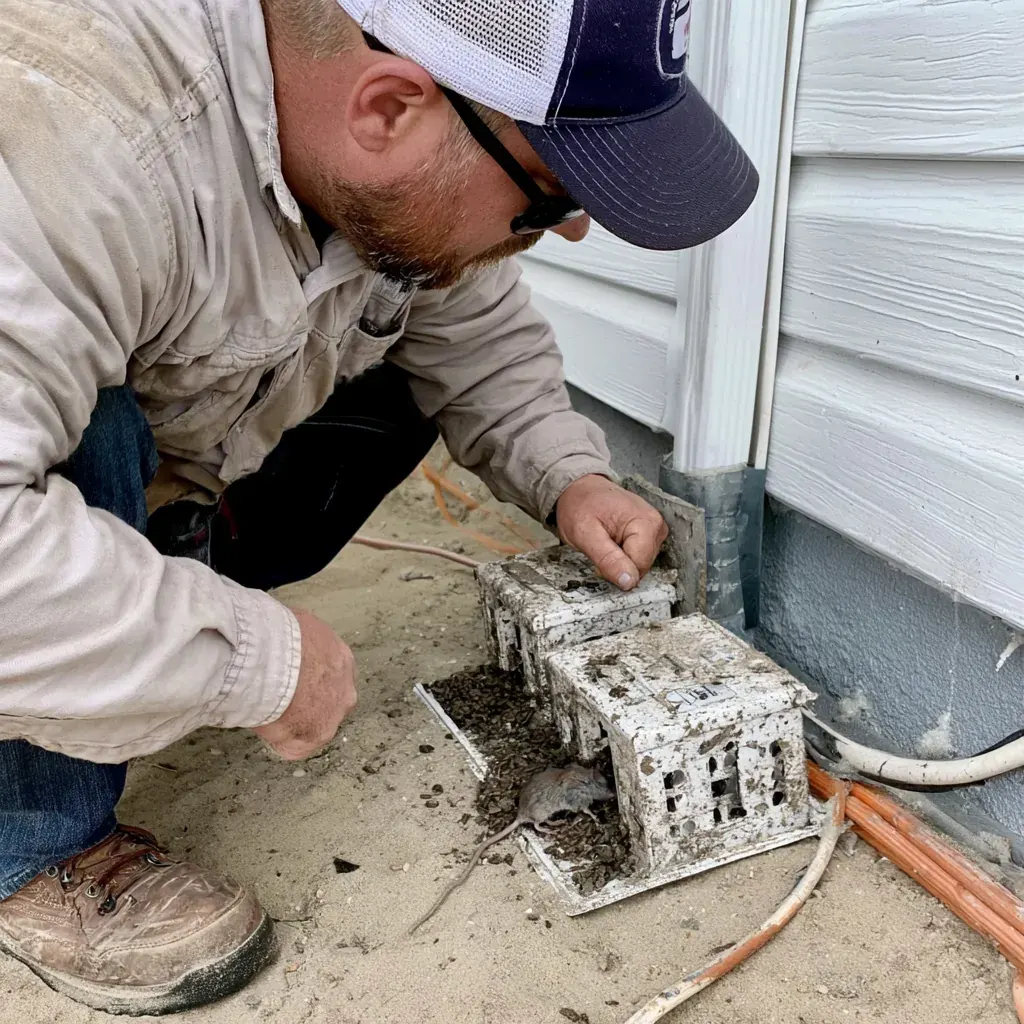
Begin by noting where you saw activity, what kind of sign appeared, and whether it returned after cleanup; then compare the service options that match those conditions. A careful inspection can separate a one-time sighting from signs that point to a wider issue inside the property. The pros we connect you with can explain what each service page covers and which options may fit a house or a small commercial space. Use the sections below to sort the next question.
In Kenosha, a mouse in a house kitchen may be an isolated observation, while fresh marks that return along a baseboard give a clearer route to investigate. At a small shop around Monument Square, activity in a storage area can raise a different question: where are rodents traveling, and what opening could let them in? Note the room, nearby food or stored goods, and whether signs recur. A check for droppings, gnawing, nesting material, and possible gaps helps the pros we connect you with decide what the evidence supports.
Start with the rooms and work areas you need kept accessible, then ask how proposed devices will be positioned and checked. In Kenosha, a home near Monument Square, North Beach, or Dinosaur Discovery Museum needs the same property-level review as any other address; landmarks do not show where activity is occurring. Share what you have already noticed so the licensed pros we connect you with can distinguish prior signs from new ones. Those details help you compare plans by how they fit daily use and how progress will be observed.
Choose the page by who is responsible for the building: residential rodent control serves homeowners, and commercial rodent control addresses landlords and business operators.
Review possible rodent control methods here before discussing a suitable plan with the pros we connect you with.
Check the signs, trace possible access, and use findings to guide next steps.
View Rodent Inspection help in Kenosha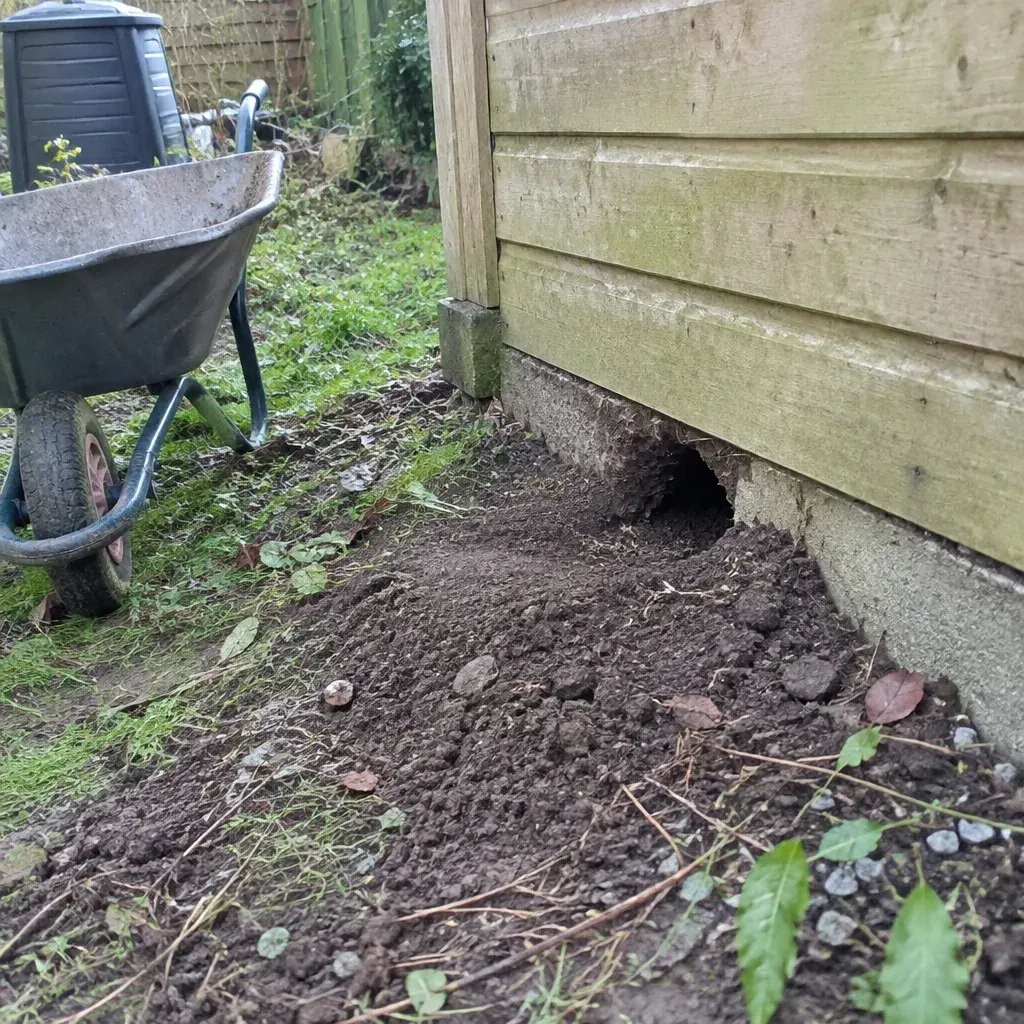
Inspection, rat treatment, possible entry sealing, and checks for Kenosha properties
View Rat Control help in Kenosha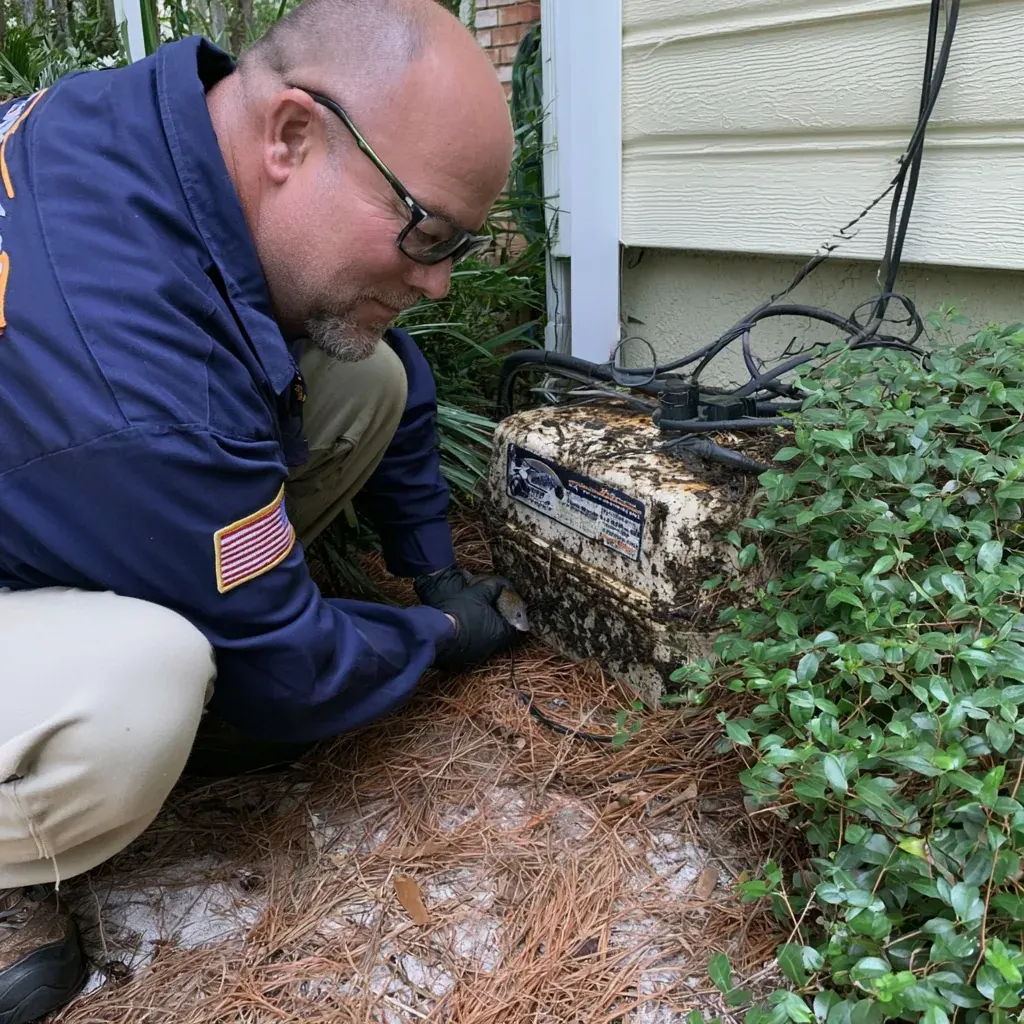
For Kenosha homes near Lake Michigan, note where mouse signs appear before asking about treatment.
View Mouse Control help in Kenosha
Rat and mouse traps placed to match signs, access, and rooms
View Rodent Trapping help in KenoshaReview the guides to sort rodent clues, understand control approaches, and gather details for the call.
Review how a site assessment may guide trap or bait placement, sealing access routes, and deciding whether later monitoring fits the plan.
Look for gnawing, droppings, or nests to help describe the activity during an inspection.
Ask for everyday wording when inspection notes, treatment descriptions, or the written work plan use terms you do not recognize.
Note where you hear movement, find droppings or chew marks, or spot a possible way inside.
Start with the evidence inside: droppings, gnaw damage, nesting material, or sounds can help the pros we connect you with locate activity and consider whether rats or mice may be involved. Note whether signs are concentrated in one area or appear along a route. An inspection can guide whether trapping, baiting, access-point work, or monitoring fits the property.
Rodent control has to account for how animals move through a building and where they may enter, so an inspection can lead to traps or bait and recommendations about access. Insect service addresses a different kind of pest and may call for different products or placement. For a Kenosha property, ask the pros we connect you with to explain how the signs they find shape the proposed approach.
Yes, if the provider offers both parts and the inspection finds openings that should be addressed. Trapping or baiting can target activity inside, while suitable sealing work can reduce routes into the building; neither step replaces the other. If you use RecPlex as a map reference when describing a Kenosha-area property, give the service provider the address so the inspection can focus on that building’s conditions.
Ask what observations led to each trap or bait recommendation, where devices will be placed, and how often the plan calls for checking them. Ask whether sealing possible access gaps could complement device placement. In Kenosha, also ask what a follow-up check is meant to assess and how the provider will explain any changes to the plan.
Check for possible openings around pipes, doors, or vents that may allow entry. If droppings need attention, avoid stirring dust while cleaning, since droppings and urine can carry germs. Ask the pros we connect you with whether they want particular areas left accessible for inspection, especially near stored food or signs you have noticed.
Start with the signs and the building areas they affect, then ask how the proposed work would address them. A plan may combine an inspection, control measures, closing identified gaps, and prevention guidance; the findings and provider approach determine what is suitable. For a Kenosha home or a small commercial property, ask about scheduling, visit charges, the work described in the written plan, and any warranty terms. If droppings need cleanup, avoid stirring dust while handling the area.
Call (262) 665-0359