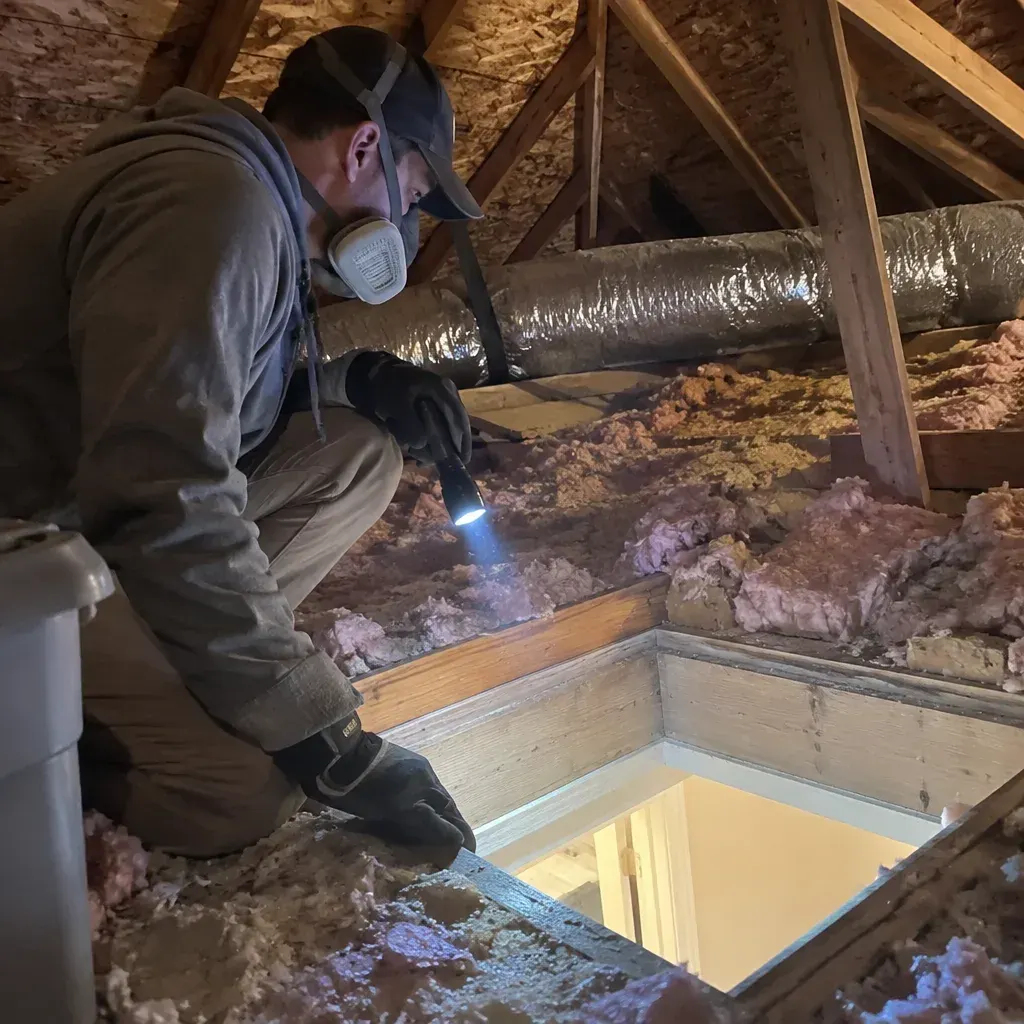
How Many Mice?
In Kenosha, one mouse cannot reveal how many may be nearby. Unsealed food and crumbs can make a room more inviting to mice.
Read article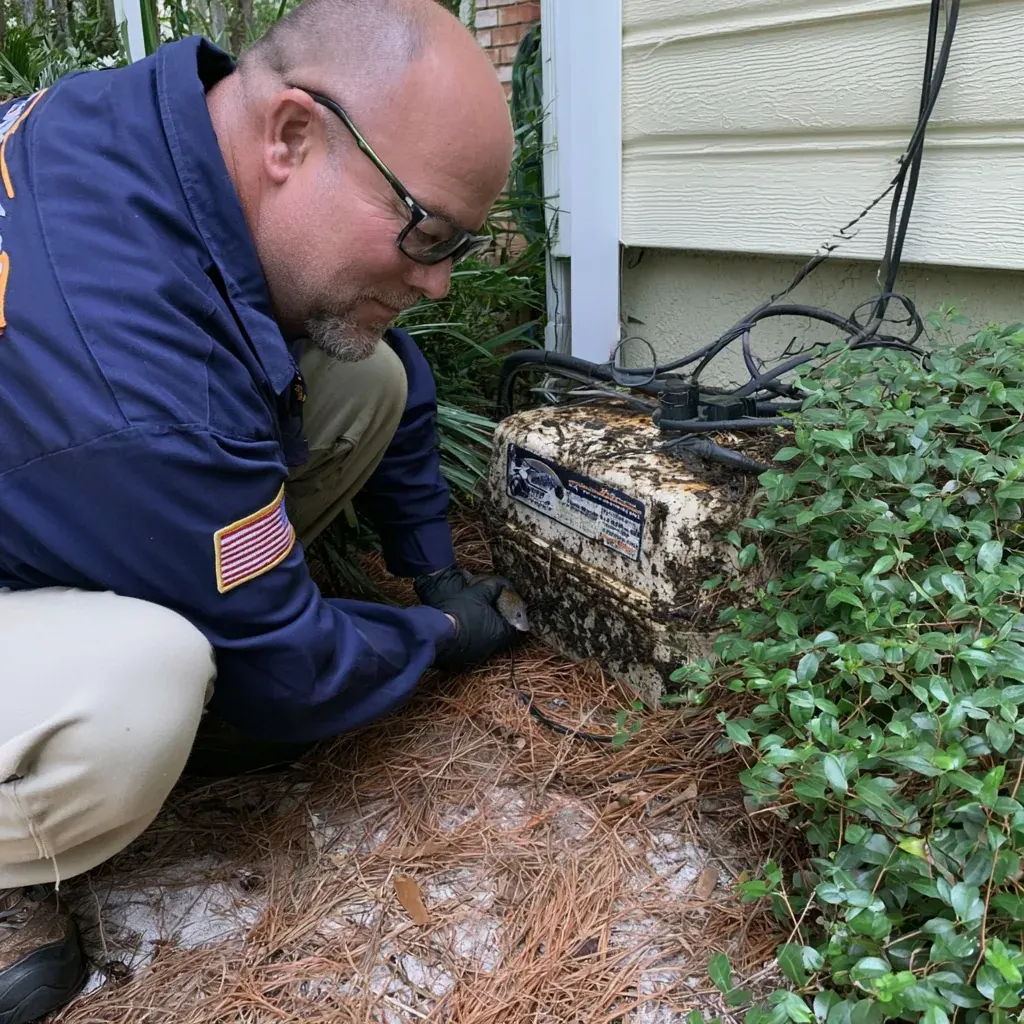
For Kenosha homes near Lake Michigan, note where mouse signs appear before asking about treatment.
In Kenosha, a mouse sign inside a house can be limited to one cupboard, or it can lead toward a wall gap or utility opening elsewhere. Check food storage first, then note any activity near the building’s edges; a view of Simmons Island Park or Monument Square says nothing about conditions inside a particular property. Winter weather can make some outdoor openings harder to inspect, so record what you can see before it is covered. These details give a local pro a useful starting point.
For a small Kenosha shop, the order of inspection can depend on which rooms are open, where stock or equipment blocks access, and whether the exterior can be reached. A pro can begin with reported signs, trace accessible routes, then check nearby gaps before discussing treatment. The estimate and visit length can shift when storage must be moved or concealed areas cannot be viewed. Tell the pros we connect you with whether evidence is indoors, outdoors, or in both places, and where you found it.
Kenosha Public Museum is one local reference for locating a request; inspection findings guide Mouse Control options for properties in Kenosha and Bristol, Sturtevant and Pleasant Prairie.
For household planning, follow residential rodent control; people overseeing rental units or workplaces can find relevant guidance through commercial rodent control.
In a house, inspect pantry shelves, food drawers, and the area around pet food. Small dark droppings, chewed package corners, or crumbs gathered behind containers can show where mice are feeding, though one clue alone does not confirm an active route. Keep the location in mind and avoid rearranging everything before the inspection; the pattern across nearby shelves or cabinets may help a pro decide where to look next. In Kenosha, share whether the signs are fresh or only remembered from an earlier visit.
In a small commercial space, check storage rooms and the backs of shelving where cartons meet walls. Shredded paper or fabric tucked into a quiet corner may be nesting material, while a brief rustle after closing can point to movement behind stored goods. Note the room and time rather than opening wall cavities or shifting heavy equipment yourself. A Kenosha pro can use those observations to focus on accessible paths and determine whether more than one area needs attention.
Outside a property, look along door edges, foundation transitions, and places where pipes enter, especially where a sheltered spot meets an indoor wall. A mouse may travel close to these features, but a gap is only a possible route until signs connect it to activity. Winter conditions around Kenosha can hide small clues or limit access to an exterior check. If you noticed evidence near North Beach or elsewhere in town, describe the property location and the sign itself; the landmark does not establish a mouse problem.
The pro records reported signs, follows accessible mouse routes, and checks nearby door, pipe, and foundation gaps for possible entry.
The provider can also discuss how food storage may affect mouse activity indoors.
Where offered, the provider seals reachable openings tied to the findings, helping reduce access while leaving major repairs outside this service.
At agreed follow-up visits, the provider checks devices and new observations to decide whether monitoring or a placement adjustment is needed.
Food left in accessible containers can give mice a reason to stay indoors. Mice can follow concealed utility paths, then leave signs where food or nesting material is available. A check that links the visible evidence to a reachable route is more useful than assuming every address has the same openings. That connection helps shape treatment and any suitable exclusion work.
If a proposed mouse treatment uses bait, ask the provider which product is planned and how its directions shape placement. Label instructions cover where and how a product may be used, along with precautions for people and pets. In a Kenosha home with children or animals, explain those household conditions before devices are set. Ask whether the devices need to remain undisturbed between visits and how to report any changes.
Check stored packaging for chew marks and tell the provider what you find. In a house or a business near Festival Park, limit access to the affected area and ask the provider what cleanup steps fit the amount and location of waste. Mention whether the material is near food storage or a work surface. The treatment plan and cleanup guidance address different parts of the problem, and one should not be assumed to replace the other.
Treat Mouse Control amounts in Kenosha as a guide; have the pros we connect you with state the visit charge and describe the work in writing.
| Site Evidence | Control Methods | Cost Elements |
|---|---|---|
| At One Point | Kenosha home assessment: discuss evidence and entry concerns; no control, gap work, or follow-up | an estimated $225–$425 |
| Along One Route | Inspect activity, set agreed traps or bait, seal access gaps; no return monitoring | an estimated $260–$555 |
| Across Several Rooms | Agreed device control with planned activity checks; identified openings remain unsealed | an estimated $225–$425 |
| Behind Fixtures | Selected trapping or baiting, agreed gap closure, and activity checks when specified | an estimated $540–$1,700 |
The estimate can change when an inspection covers several parts of a property or when the plan adds return checks and repairs. Longer-wearing materials for closing access gaps may add work as well. The full pricing guide explains how these choices shape the overall scope.
Professional mouse control can start with checking the locations you report, then tracing accessible routes and nearby openings. Depending on those findings, a provider may use traps, bait, suitable gap sealing, or a combination, with monitoring if offered. When contacting the pros we connect you with, say whether the signs are inside or outside and identify the rooms or exterior areas where you saw them.
The estimate can vary with the control approach the inspection supports, such as trapping, baiting, or a combination. In Kenosha, note whether fresh droppings or gnaw marks appear indoors, outdoors, or near a utility line, and tell the independent local pro where you found them. That helps focus the discussion on current mouse activity. The licensed pros we connect you with can explain how those locations may inform the inspection findings.
A provider may choose traps, bait stations, or both after reviewing where mice travel and the conditions in the building. Bait can expose children or pets if placed carelessly, so describe household access before treatment and ask how devices will be secured and checked. Product directions govern use and precautions; do not move a station without guidance.
Outdoor signs can be difficult to see when snow or other winter conditions cover the ground or restrict access. Tell the pro what you observed before it became obscured, including the side of the building and whether you also found signs indoors. A Kenosha inspection can then focus on reachable openings and the route between reported locations.
Monitoring is useful when the provider needs to see whether signs continue or a device needs attention. The schedule depends on the selected plan and how the equipment is meant to be checked. Before work starts, ask which observations will trigger another visit and how you should report new activity between visits.
Note whether the damaged packaging was open or torn when you describe the signs near storage areas. In Kenosha, mention where you find food packaging damage or signs near storage areas when speaking with a pro. If you are near Reefpoint Marina or RecPlex, describe the property itself rather than assuming nearby activity is present. The inspection findings can guide the next control steps.
For rodent control, $80–$175 is an estimated amount. Whether the work includes device placement and later checks can affect the scope; the pros we connect you with confirm it.
Compare movement between rooms and storage areas to understand which parts of a building connect.
In Kenosha, one mouse cannot reveal how many may be nearby. Unsealed food and crumbs can make a room more inviting to mice.
Read article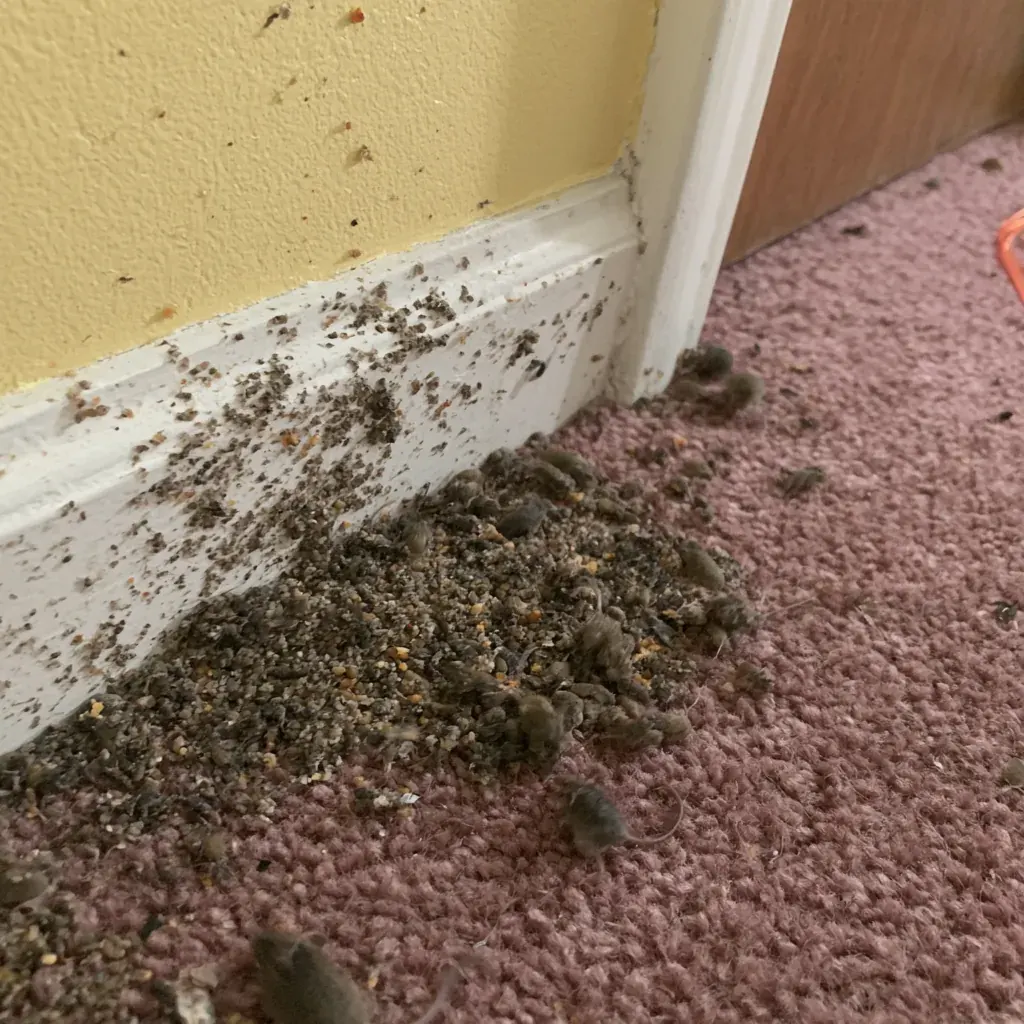
A quick glimpse may not settle rat or mouse. Compare the animal’s proportions with other visible clues, then note what you saw for an assessment.
Read article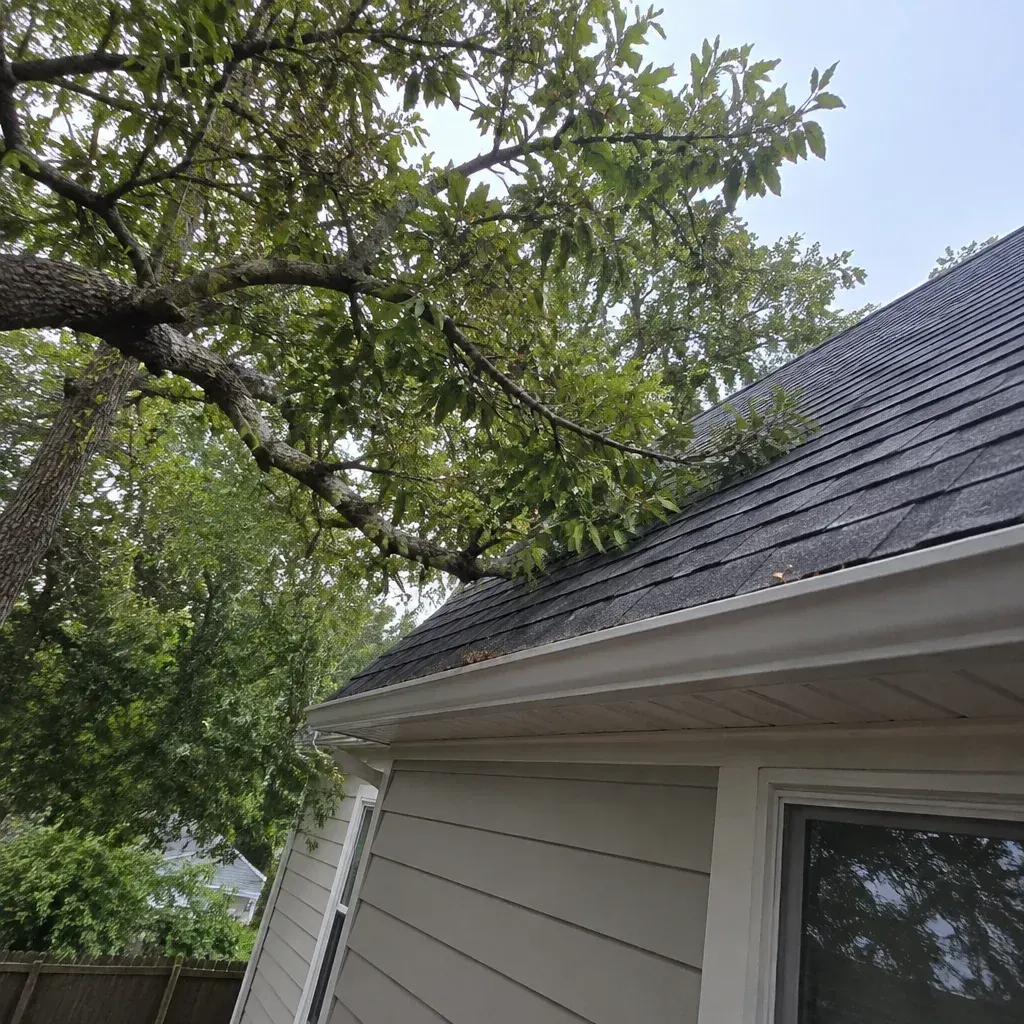
Learn how to address shed rodents in Kenosha by checking signs first, securing supplies, spotting possible access, and avoiding mistakes with control and cleanup.
Read articleWhen asking about rodent control near Kenosha Public Museum or another part of town, give the pros we connect you with the property location and a short description of the activity. Ask if they serve that location, when an inspection could be arranged, and what the visit charge covers. You can also request the planned tasks in writing and ask whether the provider offers any warranty terms. Those details help you understand the proposed service before deciding how to proceed.
Call (262) 665-0359