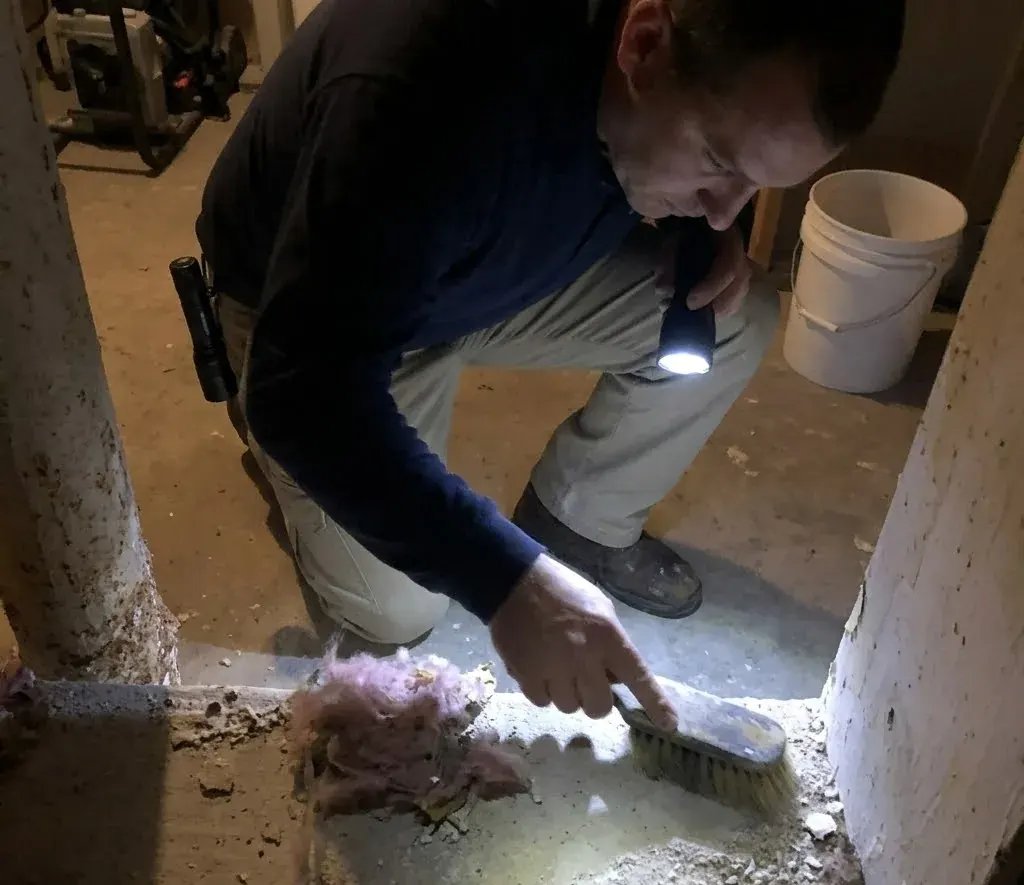
Rodents in Basements
See how basement clues can indicate rodent activity, what to record while keeping clear, and when recurring signs may call for an inspection in Kenosha.
Read article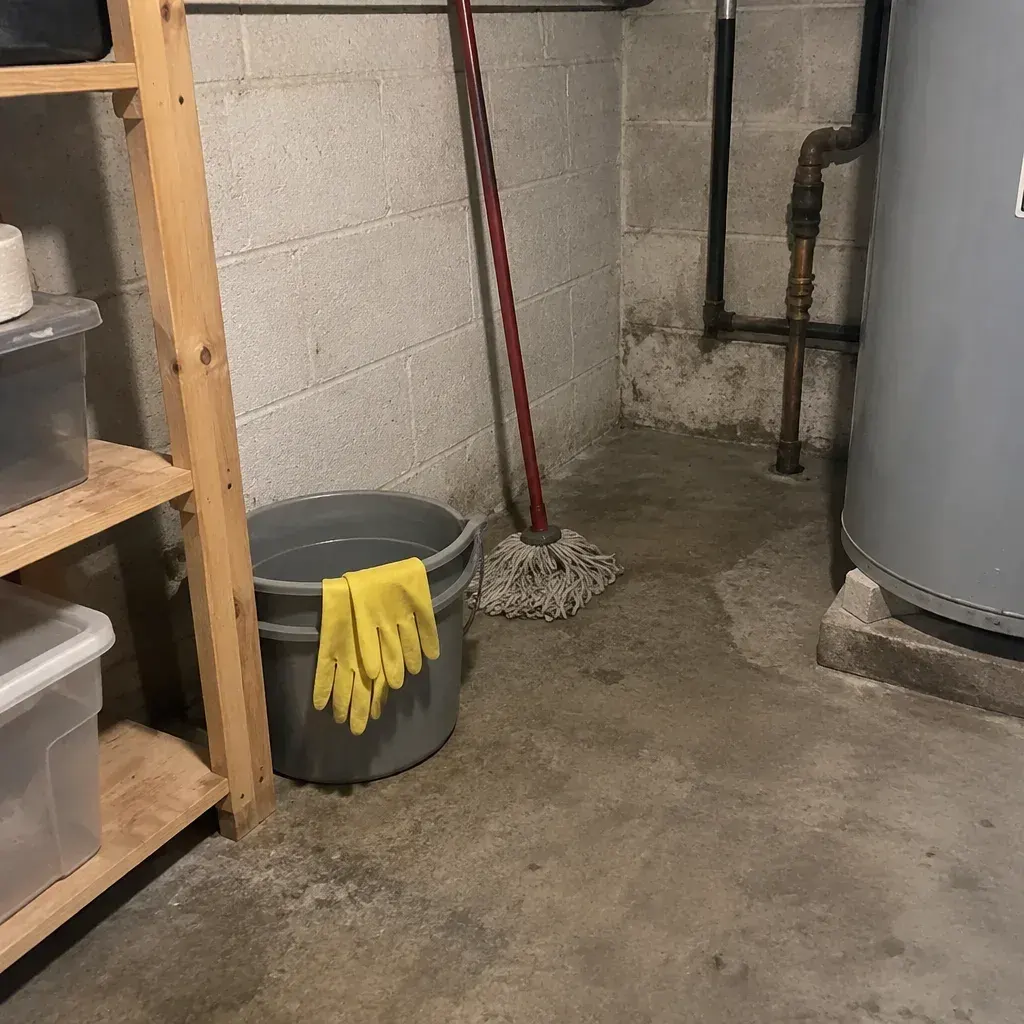
Check the signs, trace possible access, and use findings to guide next steps.
In Kenosha, a mouse sighting near a pantry or marks beside a utility line give you different places to start looking. Around Simmons Island Park and the lakefront, winter conditions can cover low openings, so an exterior check may be harder when snow hides the ground edge. That does not show rodents are present in any particular area. Note where you found evidence and whether it appeared indoors or outside; those details help an inspector connect what you saw with the parts of the building they can reach.
The pros we connect you with can compare evidence inside with gaps around doors, pipes, and reachable foundation edges, then explain which control options fit the findings. In Kenosha, access to a basement, storage room, or exterior wall can affect how much of the route is visible and how long the visit takes. The property size, blocked spaces, and distance between clues can also affect the inspection scope and cost. Share any access limits before the visit so the technician can set clear expectations.
Kenosha Public Museum is one local reference for locating a request; inspection findings guide Rodent Inspection options for properties in Kenosha and Pleasant Prairie, Bristol and Sturtevant.
Your role can guide the next step: homeowners can visit residential rodent control, while rental managers and business owners can consult commercial rodent control.
A rodent inspection weighs several clues together. Droppings, gnawed packaging, nesting scraps, and sounds in a wall can point to activity, but their location and freshness matter. In a house, evidence near stored food may lead the technician to check nearby cabinets and adjoining rooms. At a small business, signs beside a stock area may call for a look at connected storage or service spaces. Tell the inspector when you first noticed each clue and whether it has changed.
An indoor sign and an exterior opening may be separated by walls or stored materials. The technician can follow accessible edges and check likely routes around door sweeps, pipe penetrations, and foundation gaps; a small opening may be enough for mice, while rats can use larger ones. Fresh droppings or rub marks can help show whether activity continues along an accessible route. Inspection findings come from the building and the signs present there.
The places rodents can feed or shelter help explain why evidence gathers in one area. An inspector may review pantry goods, pet food, crumbs, refuse storage, or cluttered utility spaces, then compare those conditions with nearby signs. At a small shop, accessible food stock and back-room storage can serve a similar role. Keeping food sealed and cleaning crumbs can reduce available sources, but it does not close an opening or establish where an animal entered.
You describe the rooms, timing, and clues; the technician uses that account to set a starting point and note access or safety limits.
The technician compares droppings, gnawing, and nesting traces across reachable spaces to see whether signs connect along a route.
Accessible gaps around doors, pipes, and foundations are reviewed as possible entry points; blocked or snow-covered edges may limit the assessment.
The findings guide suitable control options and any offered monitoring, including how device checks will track activity under the service plan.
Kenosha properties sit in varied settings, from homes near downtown transit to buildings farther from the lakefront. A reference to Interstate 94 or Prairie Springs Park cannot tell you how a particular structure is built or whether rodents are present. The inspector needs to trace the signs and openings at your property. Where a route remains open, activity may recur, so findings can guide both control choices and prevention advice.
Kenosha references such as Kemper Center and Simmons Island Park help identify the area, but they do not establish a local rodent rule or a problem at a particular address. Ask the pro we connect you with what the inspection includes and whether any proposed bait or other pesticide will be used. Ask for the findings and proposed steps in writing so you can review the scope before work begins.
Winter conditions can make low exterior edges harder to inspect when snow covers the ground, and stored belongings can block an indoor route in any season. Tell the technician which rooms, crawl spaces, or storage areas are locked or crowded before the visit. If an outside edge cannot be reached safely, ask what remains unchecked and whether a return look should be part of the service plan.
Rodent Inspection figures for Kenosha are estimates; ask the pros we connect you with to verify the inspection visit charge and put included work in writing.
| Activity Pattern | Work Covered | Fee Factors |
|---|---|---|
| Single Clue | Near North Beach: inspect reported clues and openings; advice only, without treatment, repairs, or monitoring | an estimated $80–$175 |
| Repeated Clues | Findings guide trapping or baiting and entry sealing by agreement; no follow-up review | an estimated $90–$230 |
| Room-Spanning Clues | Inspection-led baiting or trapping with return checks; sealing work is outside scope | an estimated $80–$175 |
| Limited Access | Inspect, use agreed traps or bait, seal identified routes, and monitor when included | an estimated $190–$700 |
The estimate can change when an inspection covers several parts of a property or when the plan adds return checks and repairs. Longer-wearing materials for closing access gaps may add work as well. The full pricing guide explains how these choices shape the overall scope.
Droppings, gnawing, nesting scraps, and sounds can each be clues, but none identifies the animal by itself. A technician considers where the evidence appears, whether it looks fresh, and how the signs relate to openings or travel edges. Share what you saw and when; that account helps direct the inspection through the relevant rooms and accessible exterior areas.
A sighting confirms an animal was present, but it does not show its route or whether activity is limited to that spot. A quick glimpse may not reveal whether the animal was a mouse or a rat. The technician can use those details to choose where to inspect next and check whether the route connects to other accessible areas.
Before comparing estimates, check which parts of the inspection each one includes. The distance between signs and the time needed to check reachable exterior edges can also change the scope. When requesting an inspection, describe the affected rooms and any access constraints so the pro can explain what the estimate includes.
A room-by-room account can preserve which areas showed signs and which did not, so later observations can be compared with the initial inspection. That record helps distinguish active areas from possible entrances and gives the pros we connect you with a basis for recommending a control plan. If you are near Simmons Island Park, Kenosha Public Museum, or Dinosaur Discovery Museum, share the affected areas and any access or safety concerns when requesting an inspection.
Visit length depends on how many rooms and accessible spaces need review, how far signs must be traced, and whether exterior edges can be reached. A storage area that needs clearing or a route blocked by belongings may limit what can be assessed during the appointment. Describe those conditions when arranging the inspection so the technician can give a realistic scope.
When droppings, gnaw marks, or sounds return, contact the pros we connect you with and report when and where you found them, including affected rooms or accessible storage areas. For a Kenosha property, a nearby reference such as Lake Michigan, Interstate 94, or Prairie Springs Park may help identify the address. Ask whether your service plan includes another inspection; monitoring can show whether activity remains and if the control approach needs changing. Follow the provider’s directions around any placed products.
Use $80–$175 as a planning estimate for rodent control. The inspection’s findings and the work needed to address them shape the final amount, which the pros we connect you with confirm.
Inspection findings should guide control choices, with later observations informing whether the plan needs adjustment.
See how basement clues can indicate rodent activity, what to record while keeping clear, and when recurring signs may call for an inspection in Kenosha.
Read article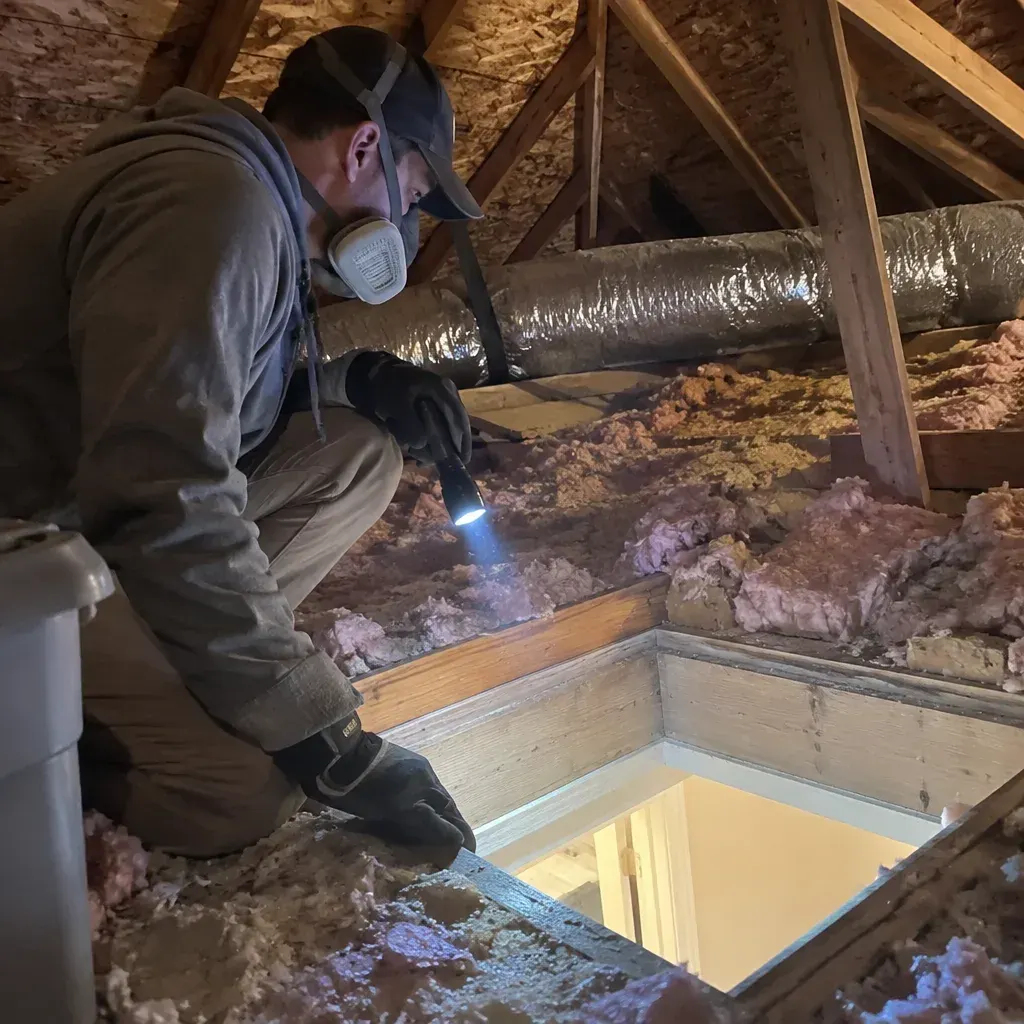
In Kenosha, one mouse cannot reveal how many may be nearby. Unsealed food and crumbs can make a room more inviting to mice.
Read article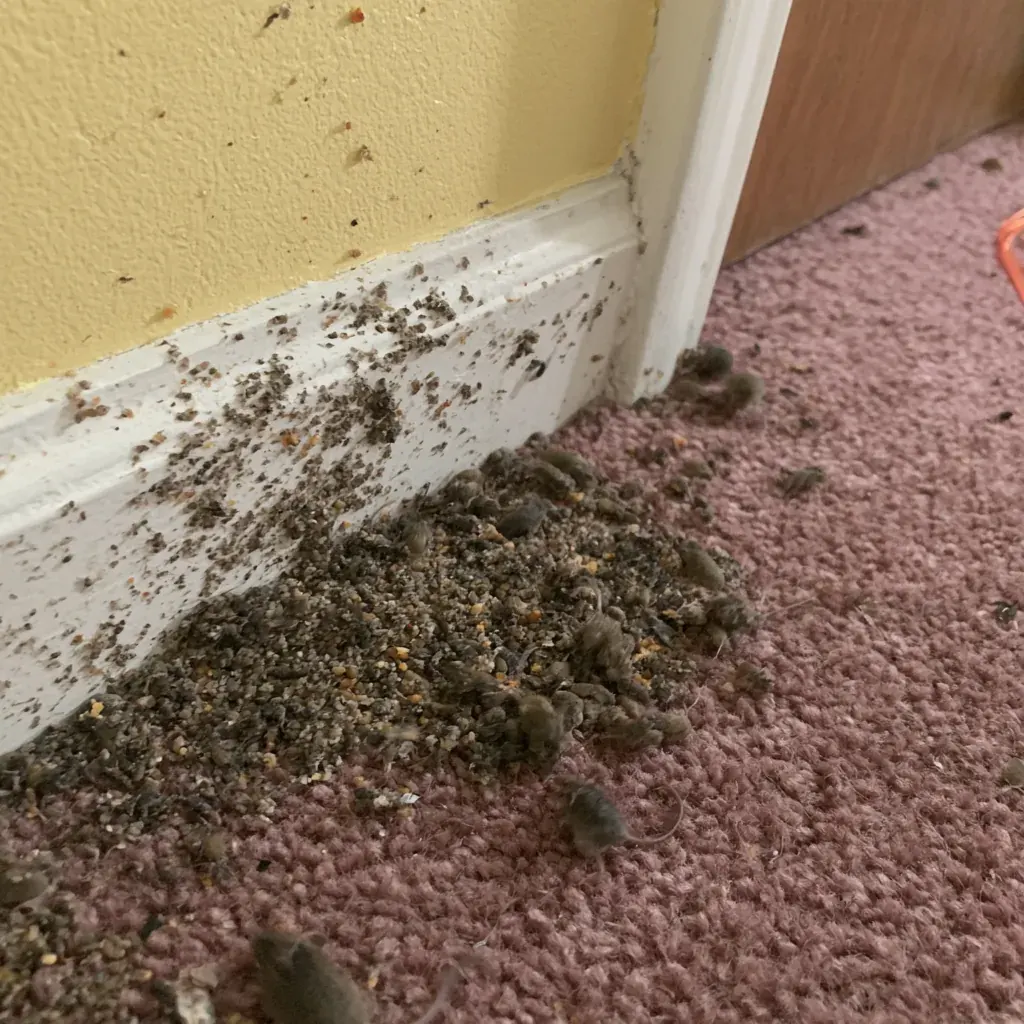
A quick glimpse may not settle rat or mouse. Compare the animal’s proportions with other visible clues, then note what you saw for an assessment.
Read articleWhen asking about rodent control near Kenosha Public Museum or another part of town, give the pros we connect you with the property location and a short description of the activity. Ask if they serve that location, when an inspection could be arranged, and what the visit charge covers. You can also request the planned tasks in writing and ask whether the provider offers any warranty terms. Those details help you understand the proposed service before deciding how to proceed.
Call (262) 665-0359