Rodent Inspection
Check the signs, trace possible access, and use findings to guide next steps.
View Rodent Inspection help in Kenosha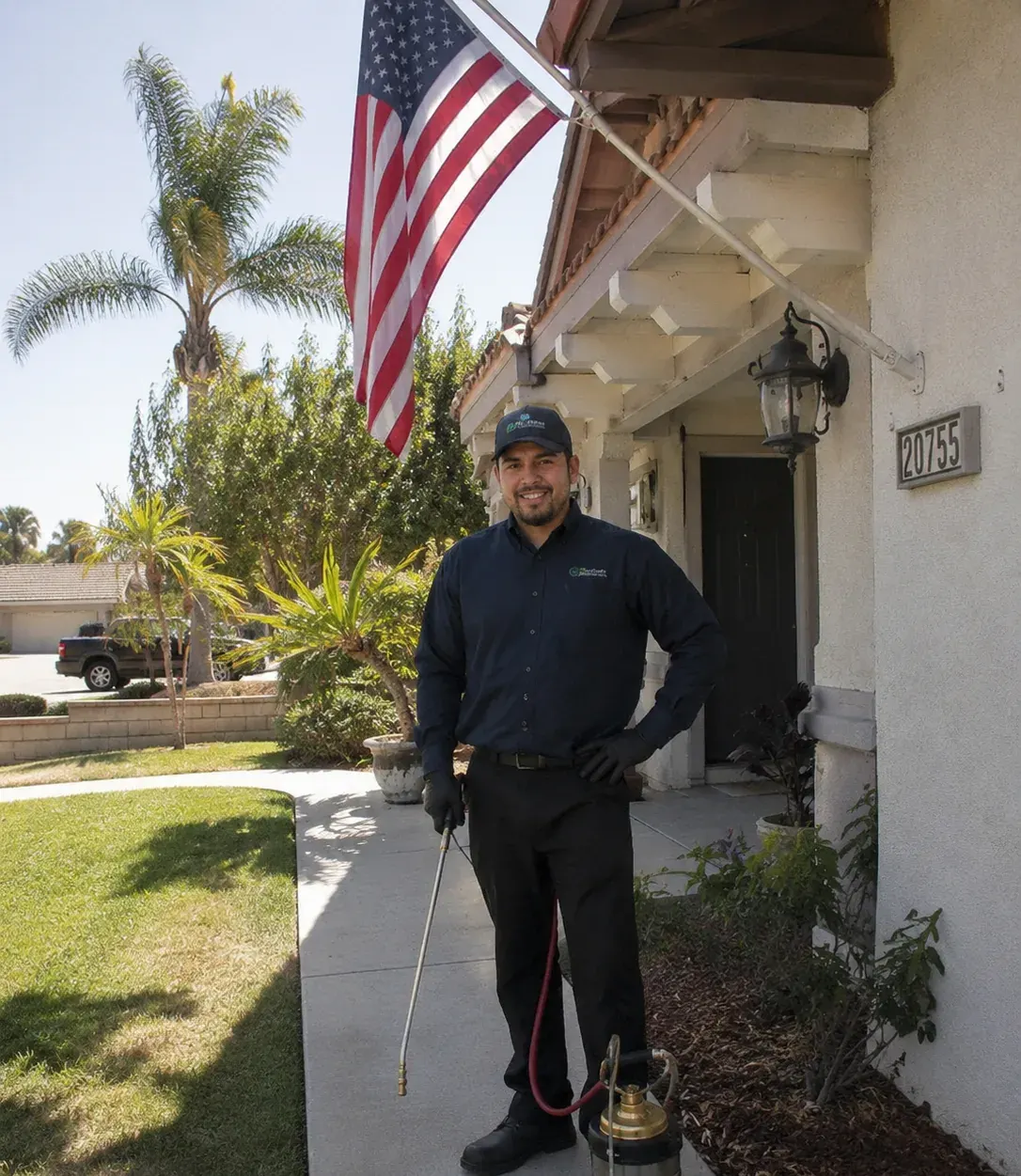
A mouse seen indoors is one detail to record; add where you noticed it, any droppings or gnawed packaging, and whether sounds recur. In Kenosha, those notes can help frame an inspection request for a house or small business, including an address near Dinosaur Discovery Museum. Food crumbs and open containers can give mice a reason to return after a sighting. Ask the pros we connect you with which areas they would assess, what control approaches may fit, and how the work and charges are scoped.
At a Kenosha home or small shop, listen for movement after closing and check stored goods for chew damage. These clues can point to a route without identifying its source; inspection guides what comes next. The pros we connect you with provide Rodent Inspection, Rat Control, Mouse Control throughout Kenosha County.
At a Kenosha, WI property, ask the pros we connect you with what signs could shape the service plan, whether trapping or baiting may be considered, if the visit has a charge, and what device checks and child, pet, or customer safeguards are recommended.
For rodent control in Kenosha, describe droppings, gnaw marks, or sounds when contacting the pros we connect you with. Ask which communities their service area names: from Kenosha and Pleasant Prairie to Bristol and Sturtevant, and whether an inspection can assess those signs.
In Kenosha, note where you find activity and whether crumbs or exposed food might be drawing rodents through a room; those clues help shape an inspection. Rodents can enter through small gaps, so finding how they got inside may help guide the inspection. Depending on those findings, control may include traps or bait, closing openings, and prevention guidance. Later checks can help determine whether activity continues and devices need attention.
Check the signs, trace possible access, and use findings to guide next steps.
View Rodent Inspection help in Kenosha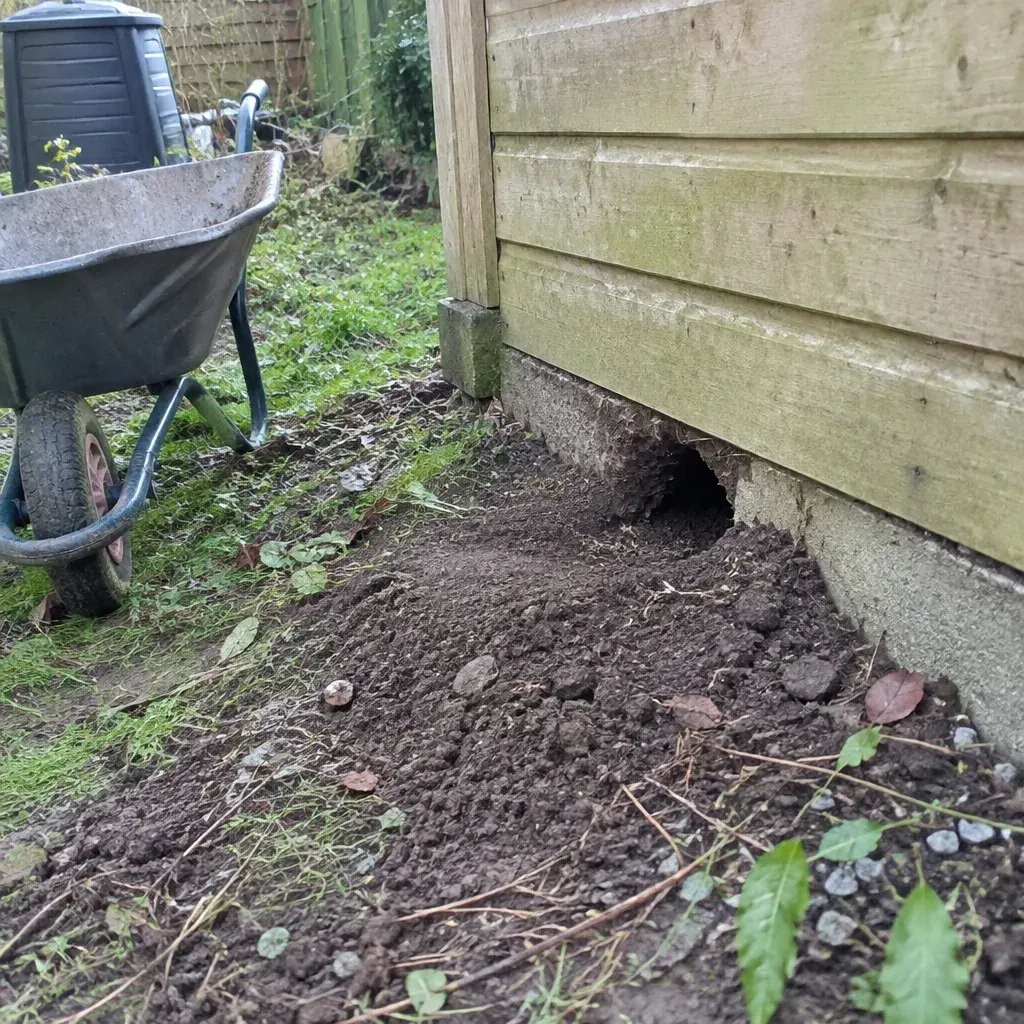
Inspection, rat treatment, possible entry sealing, and checks for Kenosha properties
View Rat Control help in Kenosha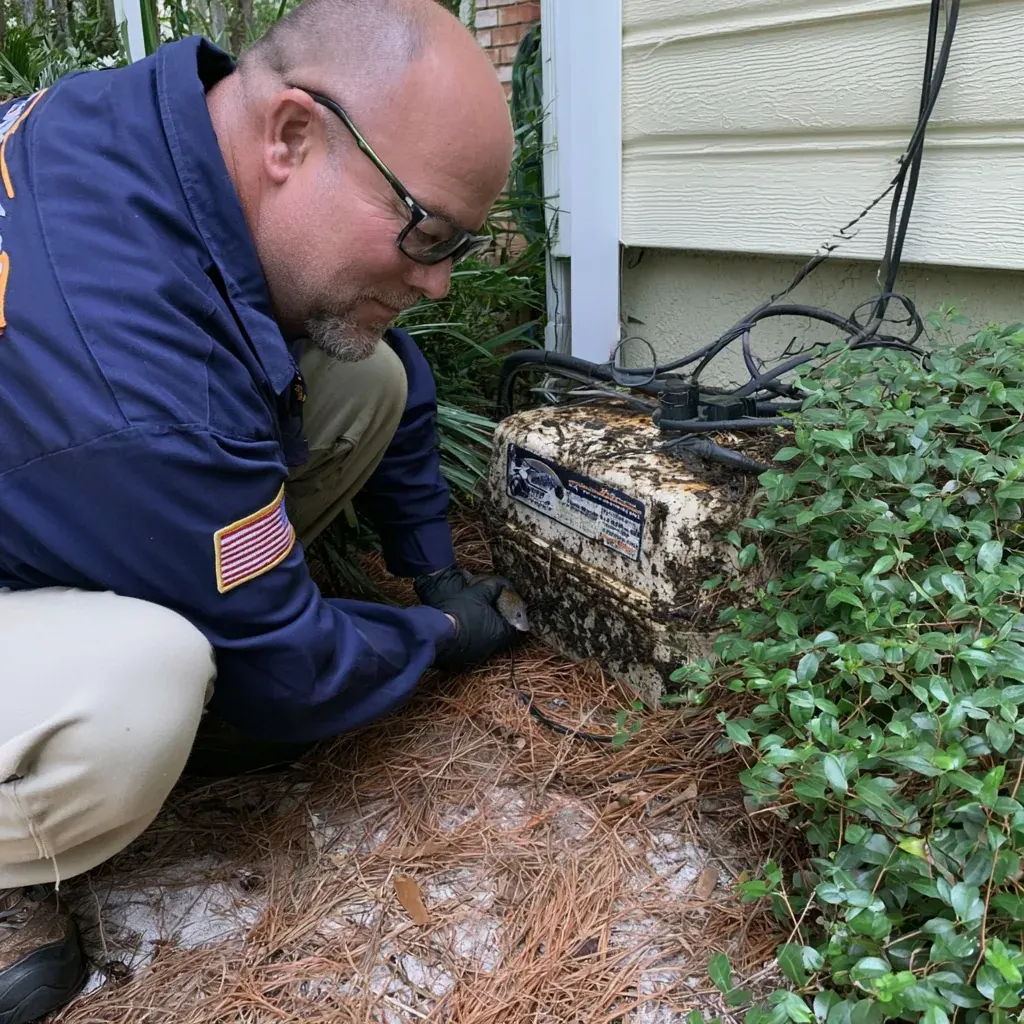
For Kenosha homes near Lake Michigan, note where mouse signs appear before asking about treatment.
View Mouse Control help in Kenosha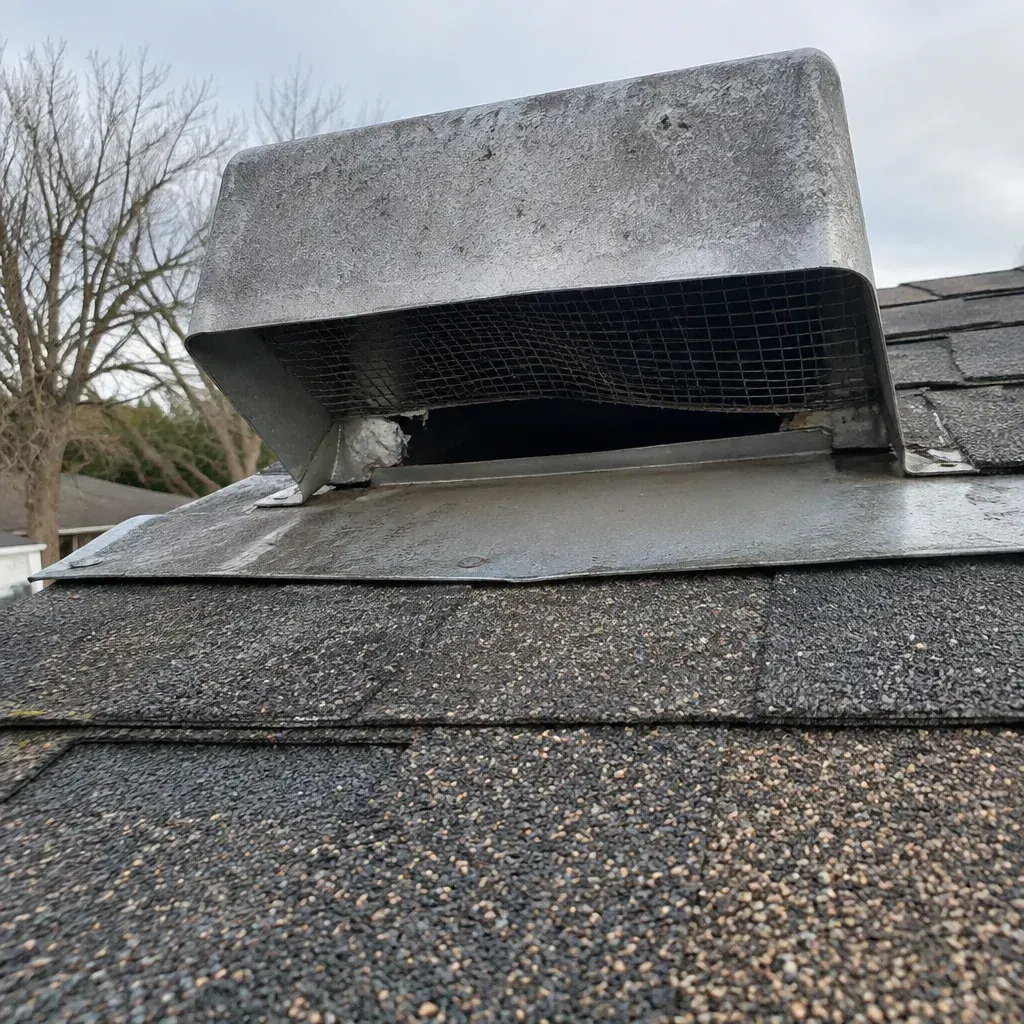
Rat and mouse traps placed to match signs, access, and rooms
View Rodent Trapping help in KenoshaUse your street address to see whether a rodent service referral may be available.
Guidance on rodent activity, access, and household prevention steps for Kenosha homeowners.
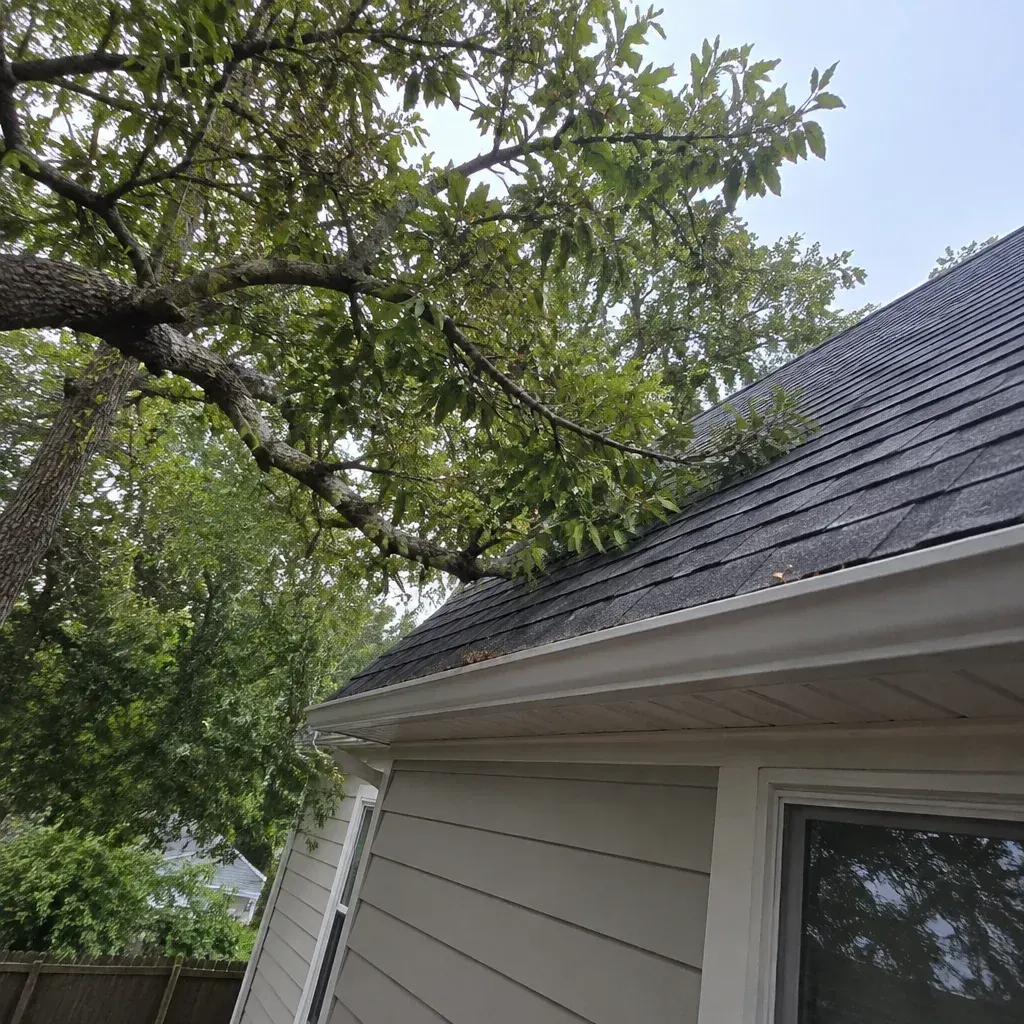
Learn how to address shed rodents in Kenosha by checking signs first, securing supplies, spotting possible access, and avoiding mistakes with control and cleanup.
Read article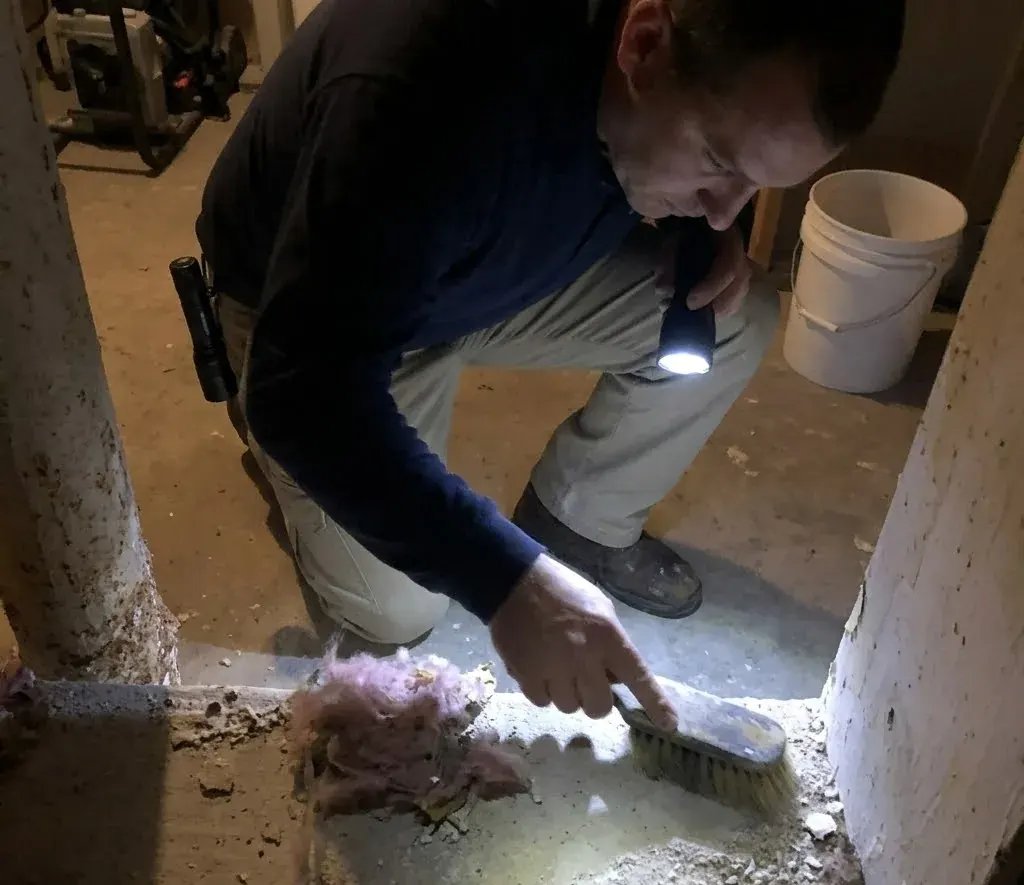
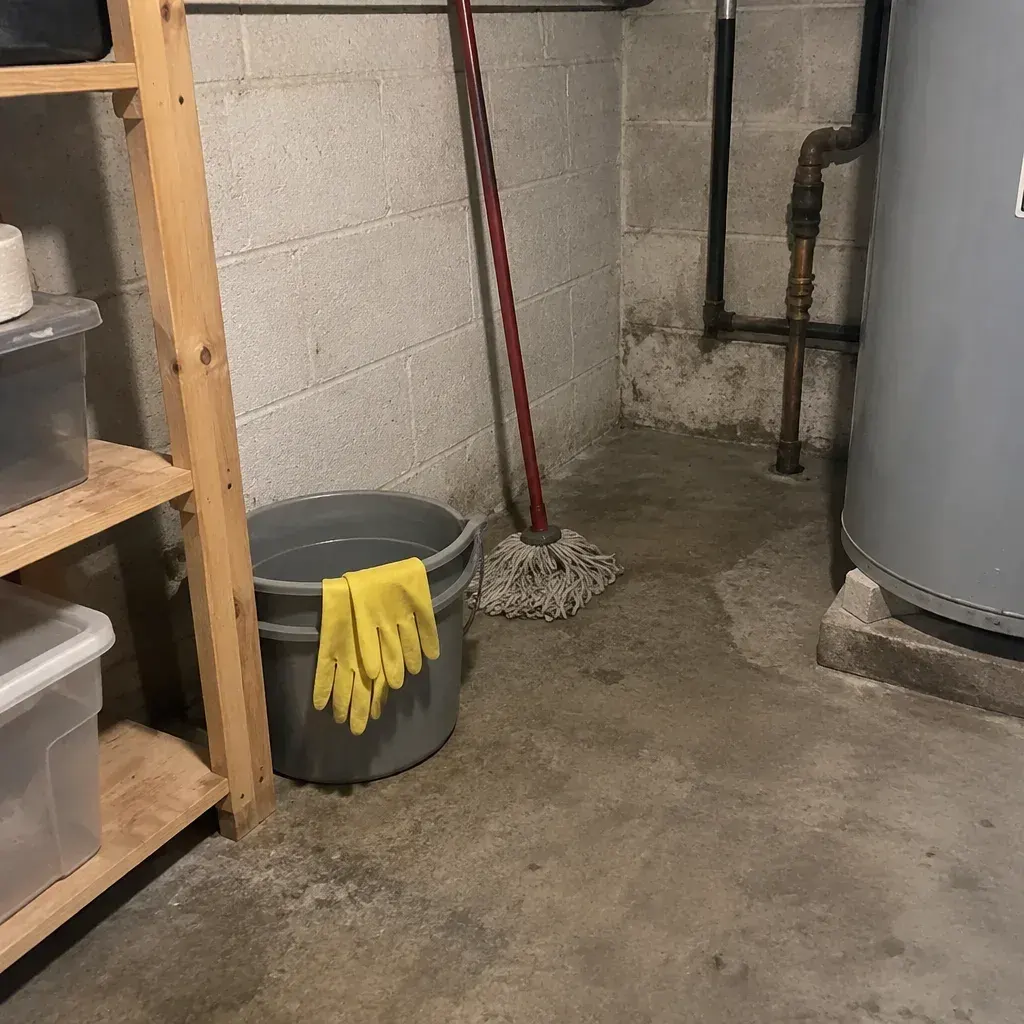
See how basement clues can indicate rodent activity, what to record while keeping clear, and when recurring signs may call for an inspection in Kenosha.
Read article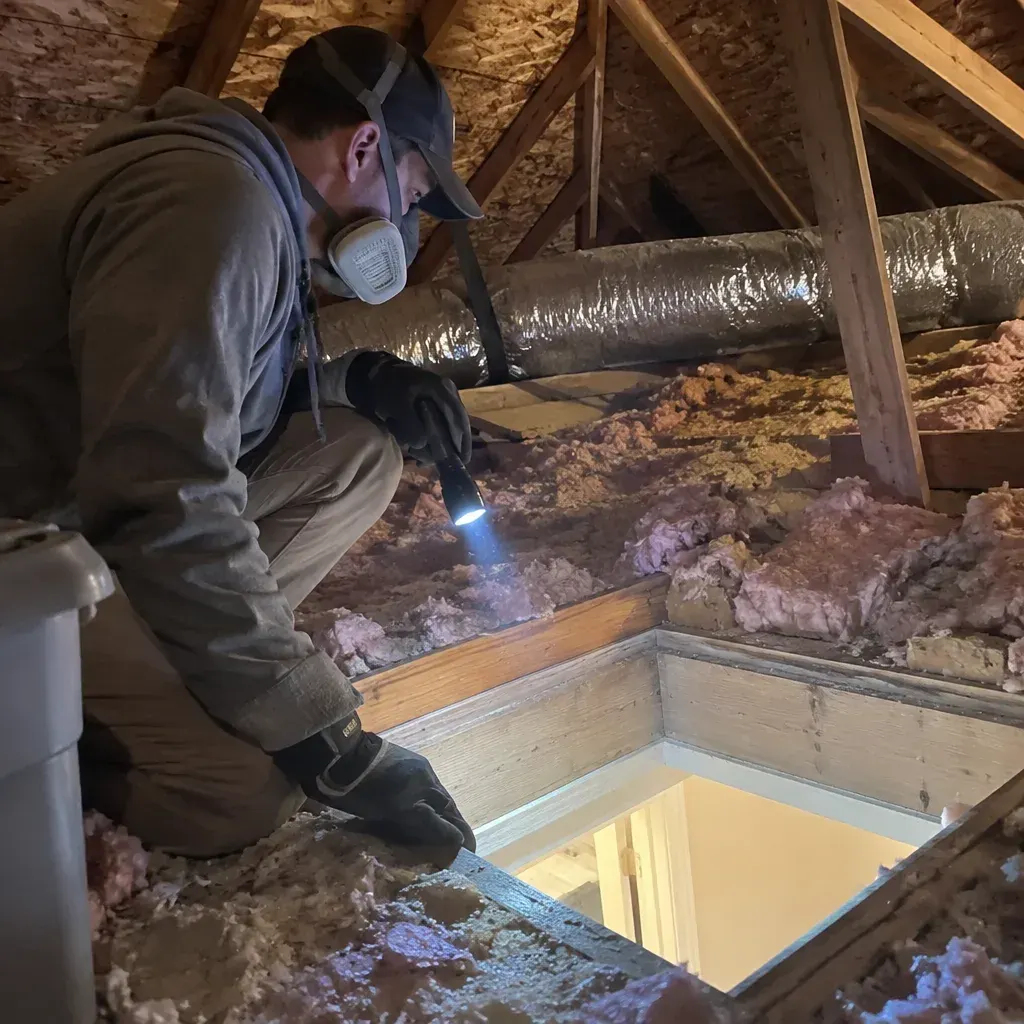
In Kenosha, one mouse cannot reveal how many may be nearby. Unsealed food and crumbs can make a room more inviting to mice.
Read articleIn Kenosha, begin with the rooms where food is stored, then note recurring sounds or marks before checking the building’s outside edges. At a house, that may mean a pantry and the spots where pipes pass through; in a small shop, look over stock areas and door thresholds. Simmons Island Park and Kenosha Public Museum are local reference points for finding this page, not clues about a property’s condition. The pros we connect you with can assess the areas you report and explain control and prevention options based on their findings.
Kenosha’s verified references orient the city; inspection findings determine which access points matter at each home.
Rodent control in KenoshaPleasant Prairie’s park and lake references orient a visit; each home’s construction details determine where exclusion work is needed.
Rodent control in Pleasant PrairieBristol’s wooded park setting makes a careful perimeter check useful, while inspection findings determine which openings need sealing.
Rodent control in BristolSturtevant’s single-family and multifamily settings call for property-specific inspection and clear work-area planning.
Rodent control in SturtevantStart where you notice activity: note whether droppings collect beside stored food, gnawing marks appear on packaging or trim, or scratching comes from a wall or ceiling. In a Kenosha home, check nearby pipes, doors, and foundation edges for openings that could let rodents inside. A small gap can provide a route. Whether you live near Prairie Springs Park or Lake Michigan Park, record which rooms and edges show signs. In a small shop, note the same details; they can help the pros we connect you with inspect possible travel paths and access points.
A rodent inspection weighs several clues together. Droppings, gnawed packaging, nesting scraps, and sounds in a wall can point to activity, but their location and freshness matter. In a house, evidence near stored food may lead the technician to check nearby cabinets and adjoining rooms. At a small business, signs beside a stock area may call for a look at connected storage or service spaces. Tell the inspector when you first noticed each clue and whether it has changed.
Rodent Inspection →Rat droppings along a wall, behind appliances, or near stored food can help mark a route for inspection. Look for gnawed packaging or damaged containers nearby, and note whether the evidence appears fresh or has accumulated. In Kenosha, report the exact room and surface rather than assuming the sign shows where rats entered. Keep food sealed and crumbs cleared while the source is assessed; those steps reduce available food but cannot close an opening.
Rat Control →In a house, inspect pantry shelves, food drawers, and the area around pet food. Small dark droppings, chewed package corners, or crumbs gathered behind containers can show where mice are feeding, though one clue alone does not confirm an active route. Keep the location in mind and avoid rearranging everything before the inspection; the pattern across nearby shelves or cabinets may help a pro decide where to look next. In Kenosha, share whether the signs are fresh or only remembered from an earlier visit.
Mouse Control →Droppings can be a useful clue when you note whether they are clustered by a cupboard, behind equipment, or along a wall. Torn insulation or fabric gathered into a sheltered pocket may suggest nesting, even when droppings are not easy to spot. In a Kenosha home, keep the observation intact for the visit and mention whether you have seen newer signs in the same area; repeated evidence can help decide if trapping is appropriate.
Rodent Trapping →The pattern of gnaw marks can help show which parts of a structure rodents have reached. In Kenosha, the pros we connect you with may look for droppings, gnawing, nesting material, travel routes, and openings rodents could use; small gaps can matter. A house near Dinosaur Discovery Museum and a small commercial space by Lake Michigan call for the same property-specific assessment. The findings guide a conversation about trapping or baiting, possible sealing and prevention steps, and whether follow-up checks are offered under the service plan.
Call (262) 665-0359 or use the online form. Name the rooms or work areas where you saw activity, any droppings or damage, and concerns about children, pets, or business needs. Ask the pros we connect you with about availability, timing, and visit charges.
Ask what the inspection covers, whether a visit charge applies, and how the findings will guide a treatment recommendation.
Before treatment, ask how access to the work area will be controlled and which precautions the written plan includes.
Ask whether trapping or access repairs could address the activity without using bait. Have the pros we connect you with explain what to do if a station is disturbed.
Before a visit is arranged in Kenosha, note the room or area where you noticed activity, what you saw or heard, and whether it has appeared again. A mark beside a food cupboard, a sound near a utility space, or a sighting in a small shop gives the pros we connect you with a starting point; it does not by itself confirm a route or source. Changes in the signs since they first appeared can add context to the initial report.
Tell the pros we connect you with whether you suspect rodents are indoors, where you saw activity, and any concerns involving children, pets, or business operations. Ask about coverage, timing, and visit charges directly.
Before work starts, ask for a written account of the appointment, planned tasks, and charges.
Ask how household routines may need to change during treatment and when normal use can resume.
Ask what the inspection will cover, how follow-up checks are set, and which records you will receive after the visit.
In Kenosha, note where fresh droppings or gnawing appear, then check nearby food storage and possible openings; continued movement can add contamination or damage before you know the route.
In Kenosha, an open gap can keep serving as a route after visible signs are cleared, allowing activity to continue around stored goods.
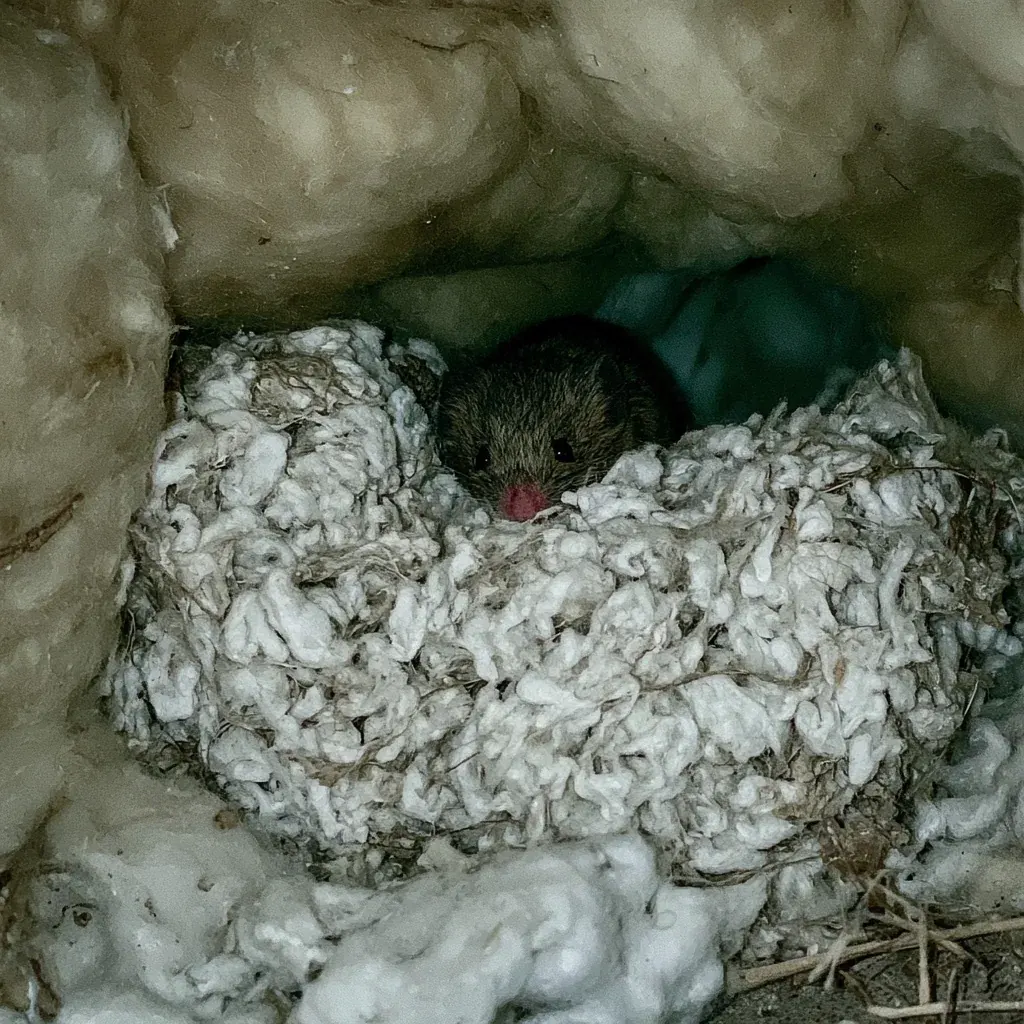
For a Kenosha home or business, ask what visible evidence can tell you before disturbing it. Droppings and urine may carry germs, and sweeping them dry can send dust into the air. Ask what safe cleanup approach fits the affected area, especially if it is used for food or daily work. If you have questions about a particular room, describe how it is used so the pros we connect you with can address that setting. The Dinosaur Discovery Museum is one local reference point.
Start with the guide closest to your concern, then use it to prepare for a provider conversation.
Review how a site assessment may guide trap or bait placement, sealing access routes, and deciding whether later monitoring fits the plan.
Look for gnawing, droppings, or nests to help describe the activity during an inspection.
Ask for everyday wording when inspection notes, treatment descriptions, or the written work plan use terms you do not recognize.
Note where you hear movement, find droppings or chew marks, or spot a possible way inside.
Ask whether the inspection visit, the written estimate, or both carry a charge, and when payment is due. Find out what the estimate documents: a visit that only discusses options may differ from one that records access concerns and proposed work. Get the fee terms before scheduling so you can decide whether the visit fits your needs.
Look for a provider who explains the service in plain terms, gives you a written scope, and can describe how traps, baiting, or closing access gaps fit the situation. Ask whether the licensed pros we connect you with will document signs of activity and conditions that could affect the plan. The pros we connect you with should be able to explain the work without promising a guaranteed result.
Have the full service address and property type ready, along with practical details about access: which doors can be used, whether any areas are locked, and when someone can meet the provider. If work has already been attempted, note what was done and whether devices remain on site. Describe where you have noticed signs of activity so the licensed pros we connect you with know what prompted the call.
Read each proposal as a list of tasks, then compare what each total includes. One may cover monitoring while another includes sealing openings or charges separately for that work. Check whether materials, return visits, and preparation are included, and ask providers to clarify any blank or vague line. A lower total may leave more work for you to arrange later.
Ask how the provider will choose and place any bait stations or traps for your household and property. Request the product name, label directions, and clear instructions for keeping children and pets from contact. Ask how to handle any unused products or devices after the service is complete. Follow the product label directions.
Ask whether an on-site visit comes before a treatment recommendation, and what the provider will examine during it. Ask whether you should clear access to any areas before the visit. A house or small shop may have different access concerns, so ask what the visit can establish before work begins.
Give the provider your full street address and ask whether that specific property is within its service area; a postal code alone may not settle the boundary. Ask about charges tied to travel, access conditions, or work outside the quoted scope. For a Kenosha address near the Dinosaur Discovery Museum, confirm coverage directly rather than assuming a nearby landmark determines it.
Before work starts, ask how the provider will tell whether activity has stopped or devices need attention. Clarify who schedules checks, what each visit covers, and whether another visit can add a charge. Ask how the licensed pros we connect you with will share findings from each check and record any plan changes.
Ask your insurer which policy language and records matter for the situation. Describe the expense precisely, such as inspection, control work, or repair, and ask whether receipts, photographs, or a provider's written findings are needed. Coverage can turn on the circumstances and policy terms, so avoid treating a service quote as evidence that an expense will be reimbursed.
The estimate for rodent control is $80–$175. Access to affected areas can change the work involved, so the pros we connect you with confirm the applicable scope and cost.
A property's layout can shape where an inspector looks for possible routes into the building. A sound near a ceiling, disturbed food packaging, or droppings along a wall can give an inspector useful context without establishing the cause on its own. In Kenosha, describe the property and ask whether an inspection is available, what the visit costs, which tasks are proposed in writing, and whether later checks or other terms are included.
Call (262) 665-0359