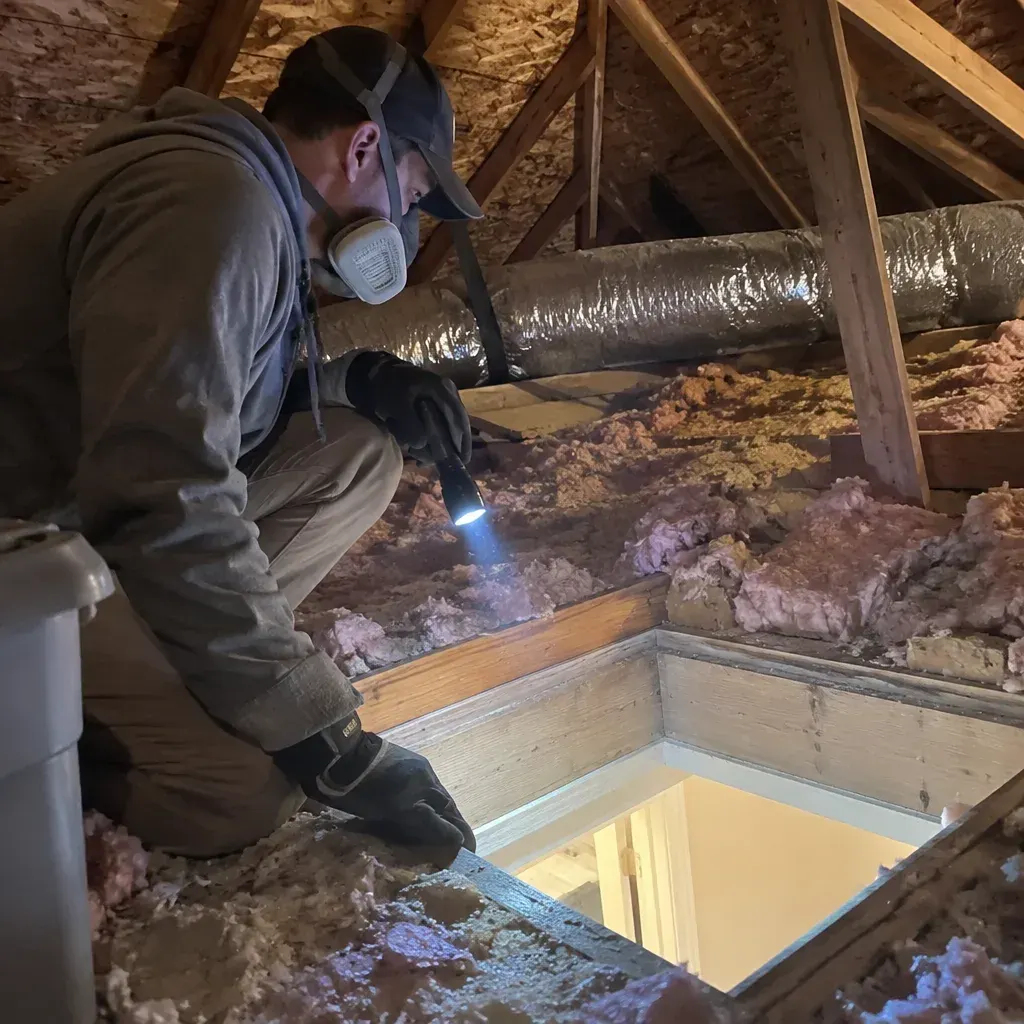
How Many Mice?
In Kenosha, one mouse cannot reveal how many may be nearby. Unsealed food and crumbs can make a room more inviting to mice.
Read article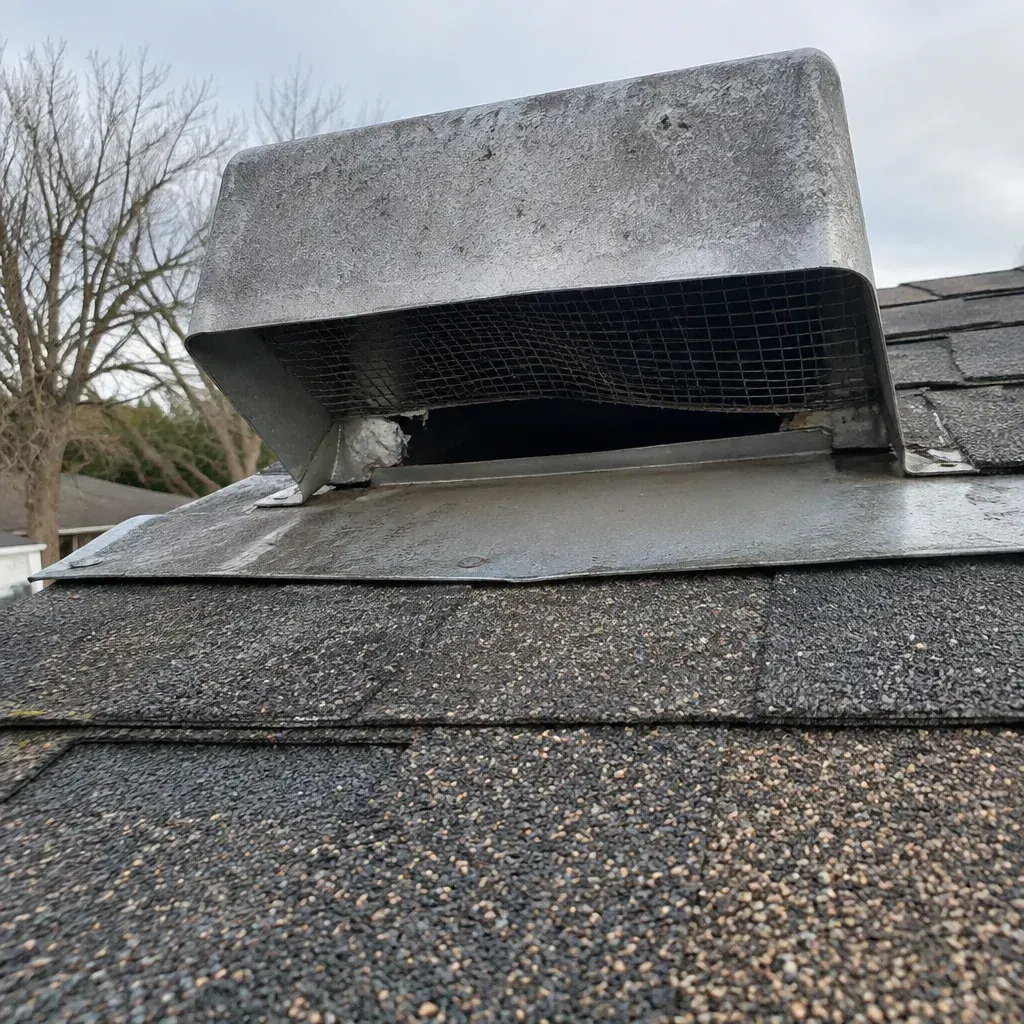
Rat and mouse traps placed to match signs, access, and rooms
Along Kenosha’s lakefront, winter weather can make an exterior check harder when snow or wet conditions cover the ground near a foundation. A gap beneath a door may let rodents enter even when windows and foundation walls appear intact. A home near North Beach and a shop around Monument Square may have different rooms and access limits. Note where signs appear and whether the area can be reached for a professional visit.
For a Kenosha trapping visit, the work starts by comparing reported signs with places a device can be set and later reached. The number of affected rooms, stored items, and access to basements or utility areas can change the time and estimate. Around Simmons Island Park, winter conditions may also limit an exterior walk-through, so the pro may need to plan around what is safely accessible. Share suspected rodent type and household routines when asking the pros we connect you with.
A review of visible signs and possible entry points can help the licensed pros we connect you with choose a practical next step for the property.
For household planning, follow residential rodent control; people overseeing rental units or workplaces can find relevant guidance through commercial rodent control.
Droppings can be a useful clue when you note whether they are clustered by a cupboard, behind equipment, or along a wall. Torn insulation or fabric gathered into a sheltered pocket may suggest nesting, even when droppings are not easy to spot. In a Kenosha home, keep the observation intact for the visit and mention whether you have seen newer signs in the same area; repeated evidence can help decide if trapping is appropriate.
Gnawed food packaging or damaged stored goods can show that a rodent reached a particular shelf or storage area. The damage may point toward an approach route, while scattered nesting material can suggest a nearby resting spot; neither proves which species is involved. Note what was damaged and where it was found before moving items. A Kenosha shop or home can then be assessed with its own layout in mind.
Scratching or movement sounds behind a wall can draw attention to an area, but sound may carry through framing and leave the actual route unclear. A pro can compare the reported location with visible signs nearby before selecting a trap position. If the noise is near a ceiling, pantry, or utility space in Kenosha, mention what can be opened safely and what remains inaccessible; that affects whether a device can be checked later.
The pro reviews your reported signs and suspected rodent type, then checks whether the affected areas permit safe, useful trap placement.
Trap type and position follow likely movement paths, household traffic, and whether the device will remain reachable for inspection.
Before setting devices, the pro identifies each location, explains household precautions, and agrees how catches or disturbed traps should be reported.
At the return visit, the pro records catches or unchanged devices and uses that result to discuss whether the trapping plan should continue.
Kenosha properties differ in room access and daily use, from residences near the Kenosha Public Museum to businesses by Monument Square. A trap plan has to fit those conditions so devices can be reached and checked without disrupting ordinary movement. Local landmarks do not indicate rodent activity; what matters is the evidence and access at the address. If signs persist, the pro can discuss monitoring or broader control steps.
Before placement, agree on which areas are off limits and how devices will be kept from accidental contact. In a Kenosha household, consider children, pets, guests, and rooms used throughout the day; in a small shop, include staff paths and customer areas. Ask the pro to explain how each trap works and what to do if it is bumped. Clear directions make it easier to keep the layout intact until the next visit.
A trap needs a placement that remains accessible to the person returning to inspect it. Tell the pro if a storage room is locked, a work area closes early, or winter conditions make an outside approach difficult in Kenosha. If a catch occurs, keep people and pets away and call the provider for handling instructions instead of moving the device. The planned check interval and contact method should be clear before service begins.
Rodent Trapping figures for Kenosha are estimates; ask the pros we connect you with to verify the inspection visit charge and put included work in writing.
| Site Evidence | Control Methods | Cost Elements |
|---|---|---|
| Single Clue | Kenosha home assessment: discuss evidence and entry concerns; no control, gap work, or follow-up | an estimated $350–$475 |
| Repeated Clues | Inspect activity, set agreed traps or bait, seal access gaps; no return monitoring | an estimated $400–$620 |
| Room-Spanning Clues | Agreed device control with planned activity checks; identified openings remain unsealed | an estimated $350–$475 |
| Limited Access | Selected trapping or baiting, agreed gap closure, and activity checks when specified | an estimated $840–$1,900 |
The estimate can change when an inspection covers several parts of a property or when the plan adds return checks and repairs. Longer-wearing materials for closing access gaps may add work as well. The full pricing guide explains how these choices shape the overall scope.
A pro may recommend trapping when the inspection finds signs consistent with current rat or mouse activity and suitable places for devices. It can be a practical option when a catch can be checked safely and the affected area is accessible. In Kenosha, share where signs were found and whether snow, locked areas, or household routines limit access so the proposed visit reflects the property.
The pro uses the signs and likely travel routes to choose a trap type and position, then considers whether the spot can be reached for inspection. Devices are commonly placed along movement paths rather than in open walking areas. Tell the pro about rooms where furniture, stored goods, or work routines could block access; placement should account for the way you use the space.
The licensed pros we connect you with can explain how a catch will be handled and whether the device stays in place afterward. Ask the pro to name the first planned check and explain what happens if you notice a disturbed device or new signs before then. Regular attention matters because a catch or an unchanged trap can affect the next decision. In Kenosha, exterior conditions and access to the property may also shape the schedule.
Before service, ask where each trap will sit and how it is secured or marked. The arrangement should keep children and pets from reaching it while still allowing the pro to inspect it. Avoid placing a trap where routine cleaning could shift it or stored items may cover it.
Do not handle the catch or shift the trap. Keep children and pets out of the area, then contact the provider and follow its instructions for removal and the next check. If the device is in a place you cannot safely isolate, say so when you call. Rodent waste can carry germs, so avoid stirring dust if cleanup is needed and ask how to proceed safely.
Traps deal with activity at the spots where they are used, but they do not close openings that may let rodents enter again. Depending on what the inspection finds, the pro may discuss exclusion or continued monitoring alongside trapping. The Kenosha appointment should leave you knowing what the devices can address and what other steps, if any, would need separate attention.
Use $80–$175 as a planning estimate for rodent control. The inspection’s findings and the work needed to address them shape the final amount, which the pros we connect you with confirm.
Compare movement between rooms and storage areas to understand which parts of a building connect.
In Kenosha, one mouse cannot reveal how many may be nearby. Unsealed food and crumbs can make a room more inviting to mice.
Read article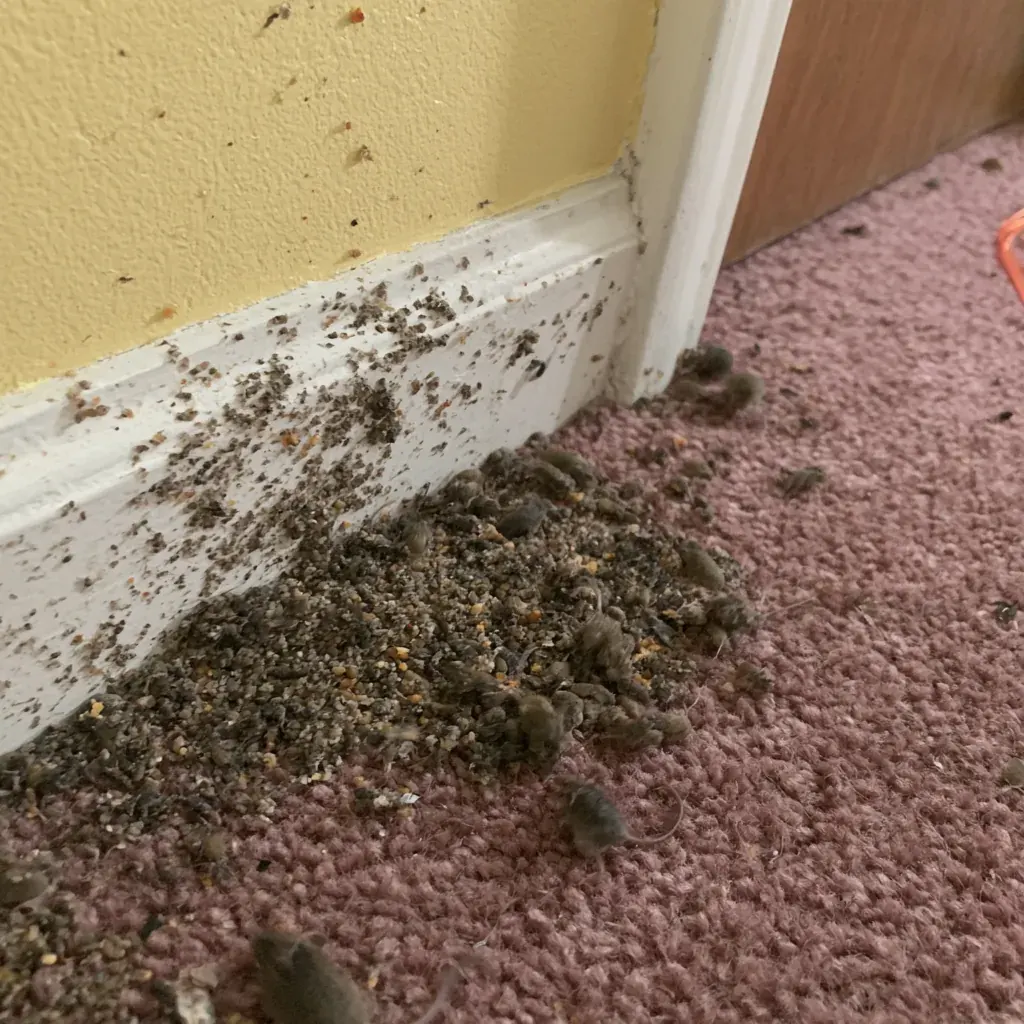
A quick glimpse may not settle rat or mouse. Compare the animal’s proportions with other visible clues, then note what you saw for an assessment.
Read article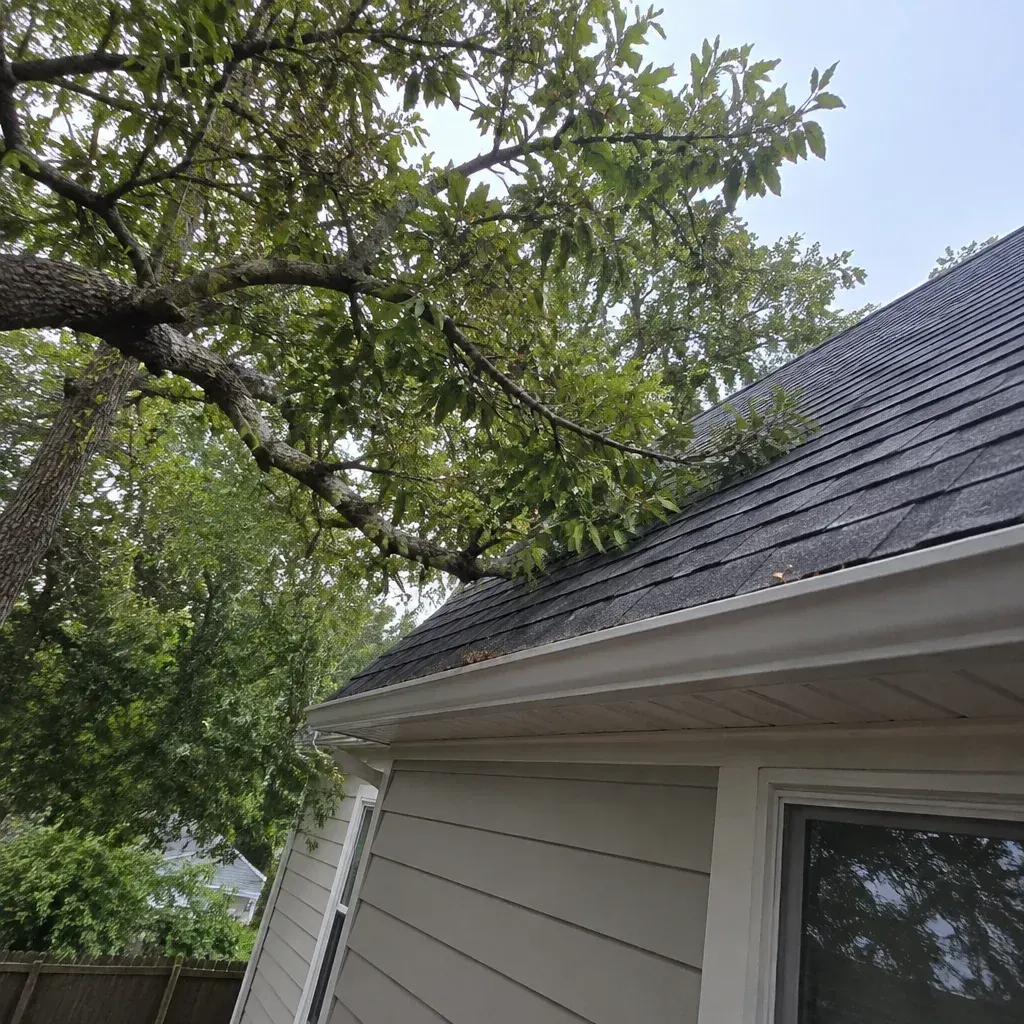
Learn how to address shed rodents in Kenosha by checking signs first, securing supplies, spotting possible access, and avoiding mistakes with control and cleanup.
Read articleWhen asking about rodent control near Kenosha Public Museum or another part of town, give the pros we connect you with the property location and a short description of the activity. Ask if they serve that location, when an inspection could be arranged, and what the visit charge covers. You can also request the planned tasks in writing and ask whether the provider offers any warranty terms. Those details help you understand the proposed service before deciding how to proceed.
Call (262) 665-0359