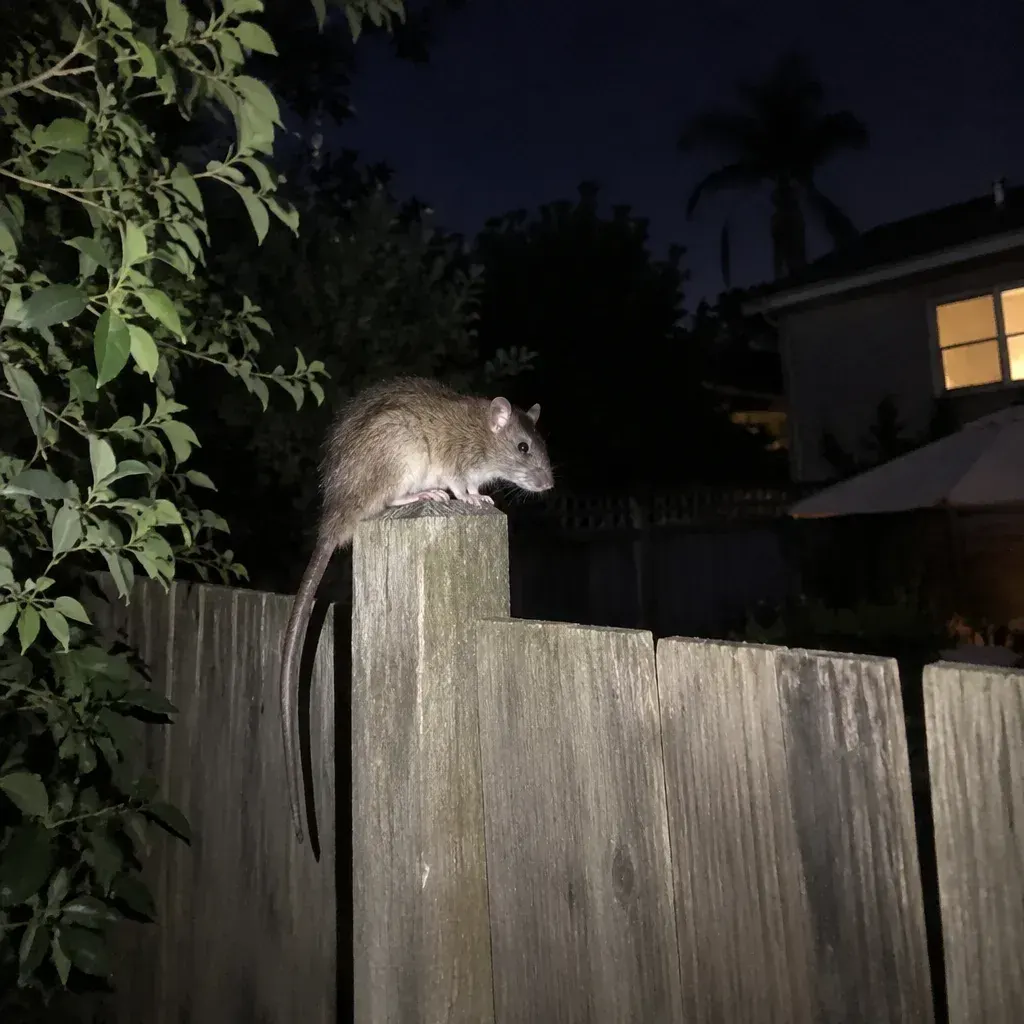
Clues Around Rooms Help Trace Movement
Kenosha homes and small businesses vary in roof height, attic access, and attached structures, so an elevated route can be easier to inspect at one property than another. Landmarks such as Simmons Island Park help orient the service area, not predict rodent activity.
Winter conditions in Kenosha can affect safe access to roof edges and the timing of an exterior inspection. A provider may need to assess accessible interior spaces first if roof surfaces are unsafe. The Dinosaur Discovery Museum and Kemper Center are local reference points, not indicators of pest conditions.
A Kenosha homeowner or shop operator may ask about rodent control, as may someone responsible for a property elsewhere in Kenosha County. Tell the pros we connect you with where the building is located so they can discuss their service boundaries.
Reviewing Activity After Service
- SIGNS
- Clues near an attic or eave can direct attention upward, but inspection is needed to assess whether roof rats are present.
- CLIMB
- Tell the provider about any attic evidence so it can be considered alongside reachable roof edges.
- ACCESS
- Traps and bait address activity where placed; safe access and scheduled checks affect whether those devices are practical.
- METHODS
- Sealing a confirmed access gap can reduce entry, while later monitoring helps determine whether activity remains.
- FOLLOW-UP
- Overhanging branches can give pests a path to the roof, so note any contact with the structure when reviewing possible entry points.
- ACTIVITY SIGNS
- Kenosha winter weather can make roof edges harder to inspect safely, while changing temperatures may shift joints and seals. Ask whether conditions affect access and when the provider can check elevated openings and follow-up activity.
- VISIT SCOPE
- an estimated $325–$575
How to Read Gnaw Marks Carefully
Weathered roof trim can resemble gnaw damage when exposed edges become rough or chipped. Nearby droppings or a repeated contact pattern may help an inspector determine whether rodents are involved. Compare the suspected mark with its surrounding surface and nearby evidence. Rodent gnawing may leave a localized contact area, while broad weather wear can affect exposed edges more evenly. A provider can inspect the material and surrounding route clues.
Start With the Building’s Clues
The pros we connect you with can review your reported clues, inspect accessible attic areas, and assess roof edges, eaves, and other elevated entry points. They use the location of signs and the building layout to identify likely routes before recommending control steps.
In Kenosha, the pro traces roofline routes, eaves, utility openings, and attic access, looking for activity along those paths; a property's proximity to North Beach or Reefpoint Marina alone says nothing about rodent activity. Control then targets confirmed routes: traps or bait need accessible placements and checks, sealing limits entry through located gaps, and monitoring tracks continued movement.
When inspection finds activity in one accessible spot and the source can be addressed, ask whether the work and prevention guidance can be completed in one visit. Continued service may fit if traps or bait stations need review or signs persist; follow-up should reflect those findings.
ACTIVITY SIGNS DOCUMENTED AT SERVICE AND DURING LATER MONITORING
| Activity Clues |
Device Placement |
|---|
| Initial activity near one access point | Device placement |
| Follow-up finds ongoing rodent movement | Seal entry gaps |
| Multiple access openings beside ongoing activity signs | Perimeter sealed; traps maintained |
SERVICE PLANNINGWisconsin does not issue a separate license for rodent control, though commercial applicators for hire must hold applicable certification and licenses. Ask the invoice to distinguish inspection, device placement, pesticide application, and exclusion, and to identify any product used. That record shows what work was performed and whether pesticide application was involved.
Surface Damage Along Hidden Routes
Roof rats moving through attic spaces can gnaw wiring covers, stored goods, and building materials. Droppings or urine may contaminate insulation and belongings, adding cleanup to any repairs. If access stays open, activity may continue in areas that are difficult to inspect.
Look For Signs Along Indoor Routes
From indoors, note where and when you hear activity, and photograph visible evidence from a safe position. Keep a record of visible evidence so you can point out its location during the inspection. Do not climb onto the roof or handle bait; leave high access checks and treatment to the provider.
Food Handling Around Suspected Activity
Droppings and urine can carry germs, and dry debris can spread dust when disturbed. Keep people and pets away from contaminated areas and avoid sweeping or vacuuming them. Tell the provider where you noticed material, especially in an attic or ceiling space, so cleanup and control can be planned together.
Plan for Rodent Control Costs
Ask for an estimate that states what the initial inspection covers, then clarify whether recommended control work appears as a separate line.For a Kenosha home near Simmons Island Park or Monument Square, a guide range is an initial estimate for inspection and the control steps discussed. It does not automatically include repairs, extra visits, or sealing; tell the pros we connect you with what you noticed, then confirm any visit charge and the exact agreed work before scheduling.Review pricing guide for the complete band listing. Rat Control describes the work involved in rodent control.