What One Sighting Can Tell You
Start with the sighting, then look for evidence in nearby areas before deciding what it means. One mouse does not confirm a mouse infestation, but it also cannot tell you that no others are present. Mice can stay out of view behind stored items or move along room edges, leaving activity easy to miss. In Kenosha, judge the possibility by the evidence across the home, rather than treating one glimpse as a reliable count. The same approach applies in a house or a small commercial space.
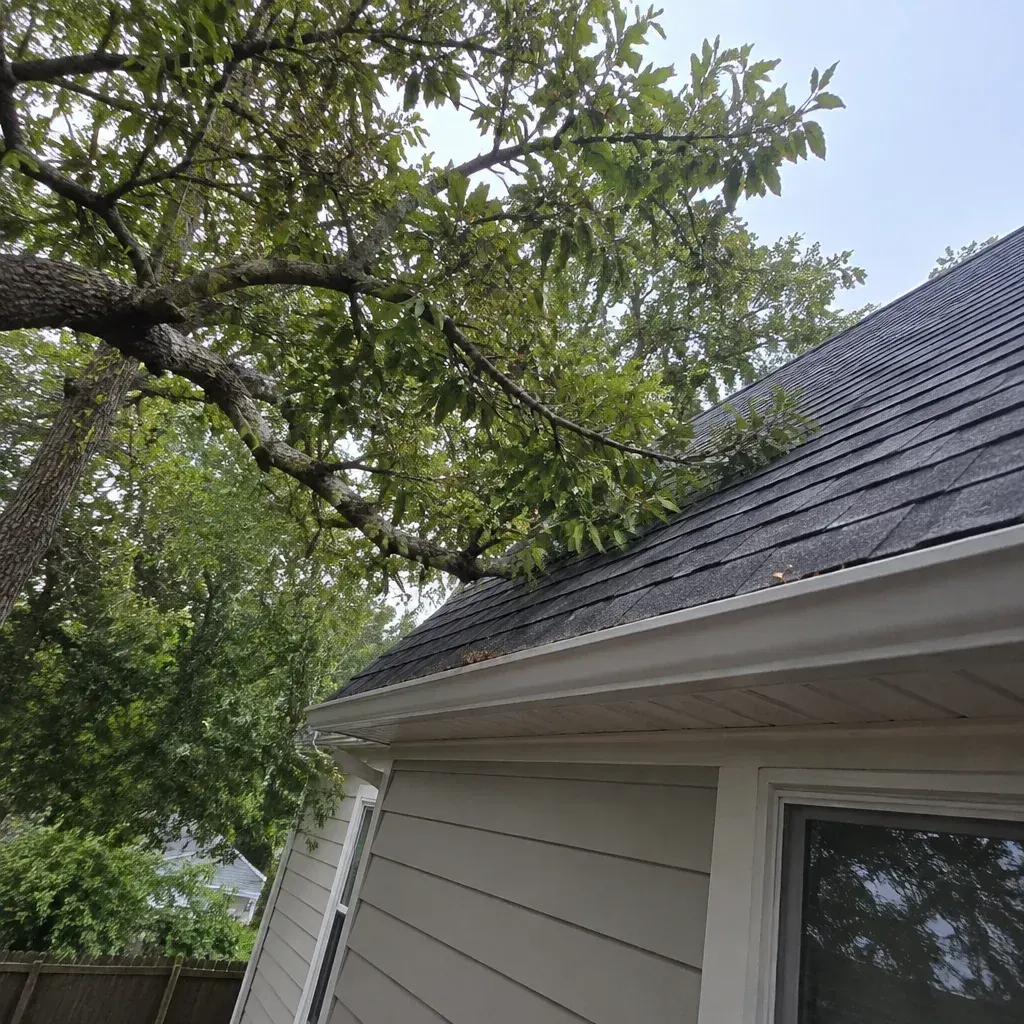
Gnaw marks on stored materials can offer another clue about mouse activity beyond the sighting itself. That opening could allow other mice to get inside too, but its presence alone does not prove they have. Check whether the sighting happened near a doorway, plumbing, or another opening, and note where else you find evidence. This helps distinguish one isolated observation from a pattern that may call for a closer look at the property.
Clues Across Rooms and Workspaces
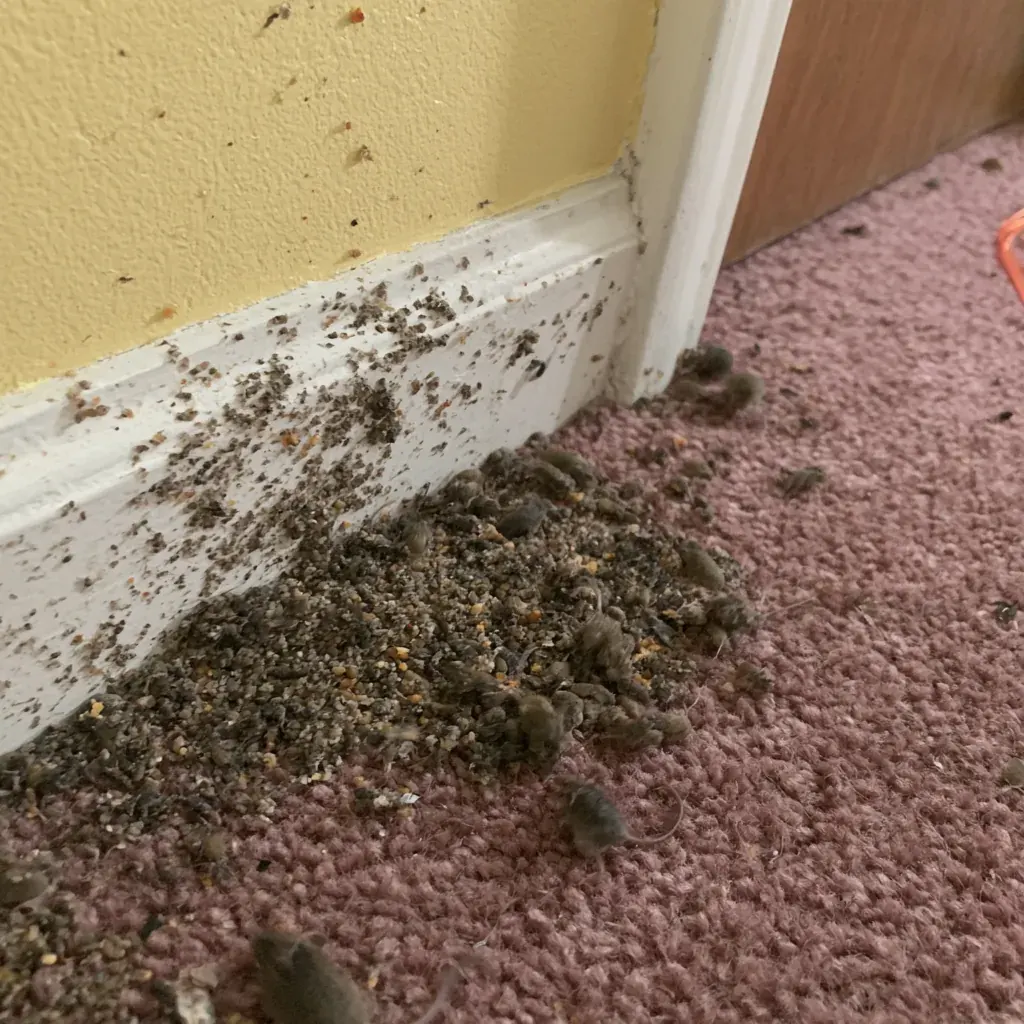
Check along walls, behind appliances, and near stored goods for droppings or gnawed packaging. Nesting scraps and repeated scratching sounds can add to the picture, though no single clue gives a dependable count. A home near Simmons Island Park and a storefront near Dinosaur Discovery Museum should each be assessed by what is found indoors, not by the landmark nearby. Record the location of each clue; separate findings in several areas can suggest activity reaches beyond the room where you saw a mouse.
Notice whether sounds or new marks recur in the same area, and whether signs appear in another room or storage space. A noise behind one wall can be hard to interpret by itself; paired with gnawing or other evidence elsewhere, it gives a more useful pattern to discuss. Changes in food access can affect whether rodents keep returning, so include new storage or waste concerns in your notes. Avoid disturbing suspected nesting material while checking, and use the collected observations to decide whether the activity may be ongoing.
Check Food and Quiet Storage
Look for food that a mouse could reach, such as an open pantry package, crumbs under a counter, or supplies left uncovered in a small shop. Keeping food closed and clearing crumbs can make those sources less available. These steps may reduce what sustains activity inside, but they do not explain how many mice are present or close an entry route. If you find damage to food packaging, note its location alongside any other signs instead of using the amount eaten as a headcount.
Shelter can be harder to spot than food. Boxes pressed together, unused cabinets, and piles of paper create quiet spaces where movement or nesting scraps may go unnoticed. In a Kenosha home or a small commercial storage area, leave access to edges and corners so you can see whether new material or damage appears. Clearing undisturbed storage makes signs easier to notice; it does not by itself establish whether one mouse or several are using the space.
When More Evidence Warrants a Look
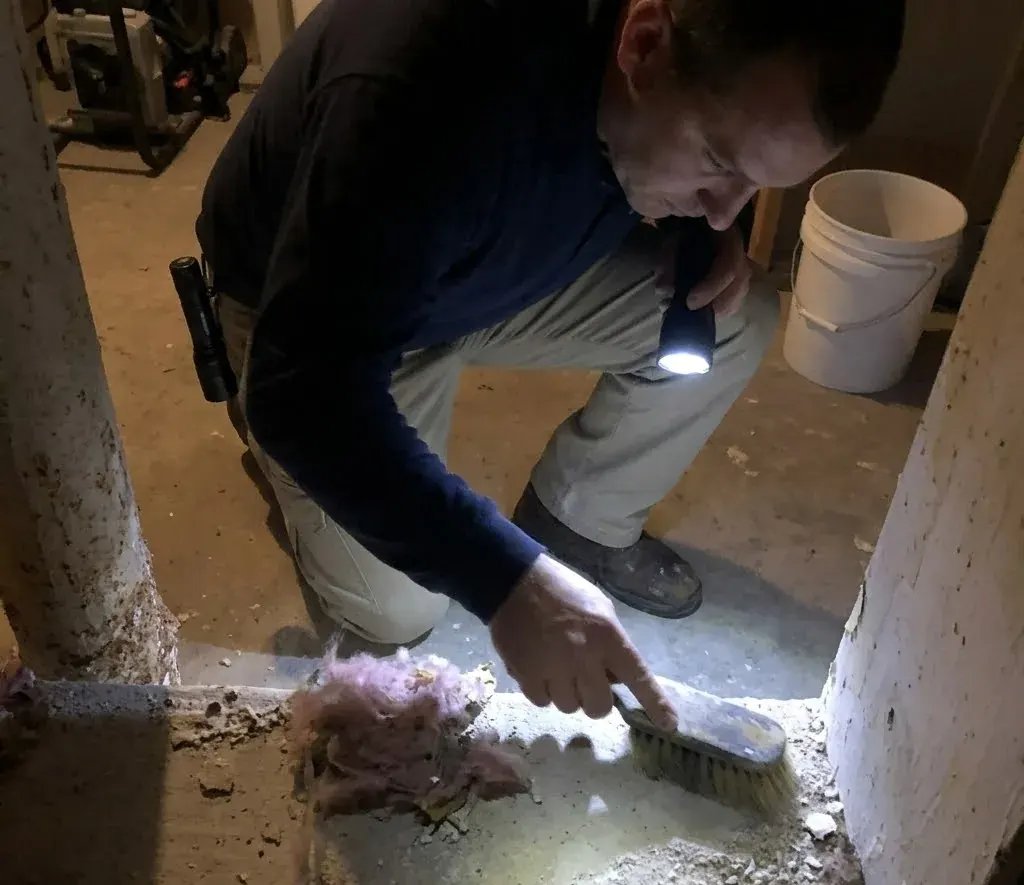
A closer assessment may be useful when signs turn up in separate rooms, or when fresh damage appears alongside droppings or recurring sounds. That combination gives more reason to ask whether activity extends beyond the spot where the mouse was seen. Across Kenosha, from properties near Root River to those near Lake Michigan Park, the evidence at each address matters. If your notes show a developing pattern, consider asking the pros we connect you with about an inspection.
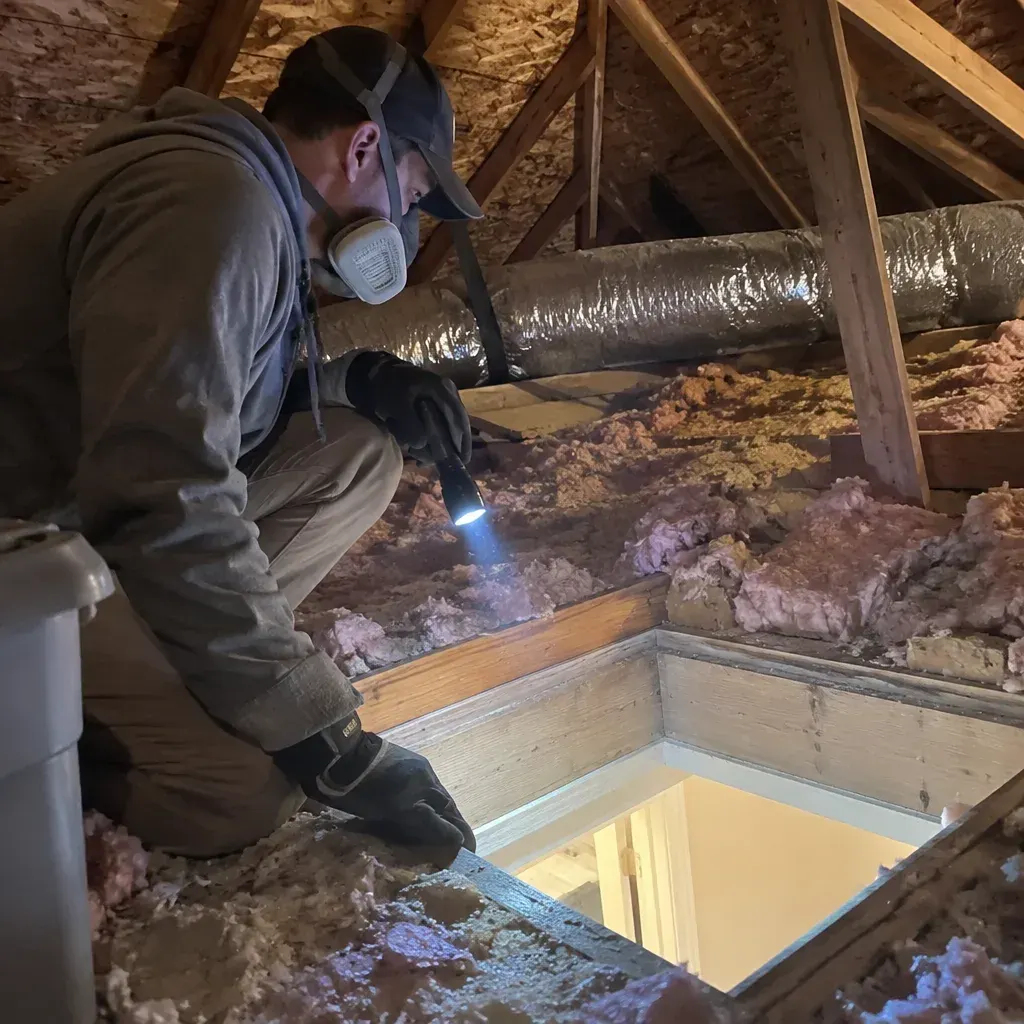
An inspection can help assess whether the clues point to active rodent movement and what control steps fit the property. Depending on the findings, rodent control may involve traps or bait, attention to access points, and guidance on reducing food or shelter sources. Inspection findings can help identify which openings or food sources deserve attention first. The useful question after one sighting is not an exact count, but whether the evidence supports taking another step.
Dealing with rodent activity in your home?
Start by noting where you saw activity, then ask what a visit would cover. In Kenosha, a home near North Beach and a small business by Monument Square may have different layouts, so the pros we connect you with need your address and a brief description before they can discuss fit. Ask whether your property is within their service area, what appointment timing is available, and whether the visit carries a charge. If you have noticed sounds or damage, describe where they occur; a site visit can help identify activity and possible entry routes.