Notice the Clues and Their Location
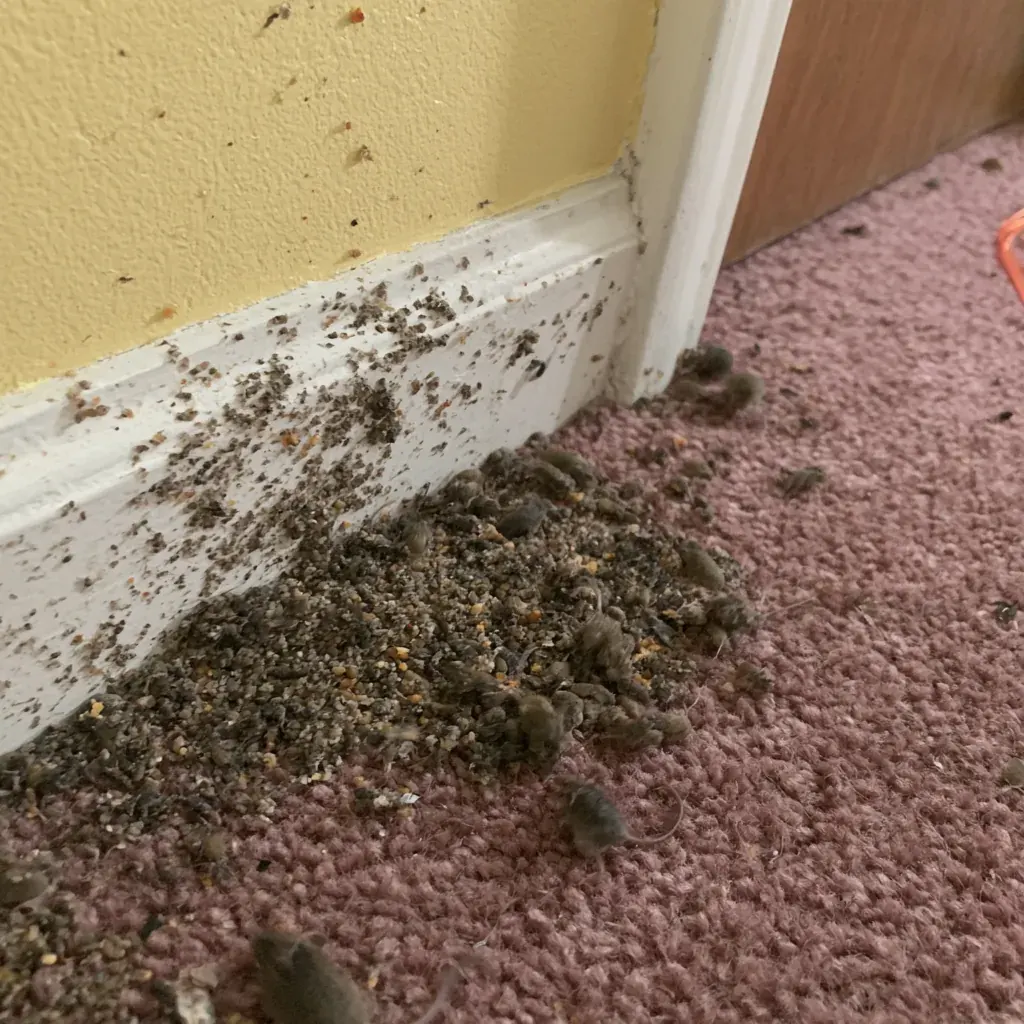
Start by noticing what the evidence looks like and where it sits, without touching or shifting anything around it. Dark pellets, small tooth grooves on a box, and scraps of paper or fabric gathered in a corner can each suggest rodent activity, but appearance alone cannot confirm which animal left them. In a Kenosha basement, signs beside stored goods may be easier to spot than clues along an open wall. Treat each clue as a reason to look carefully, not as proof of how widespread the activity is.
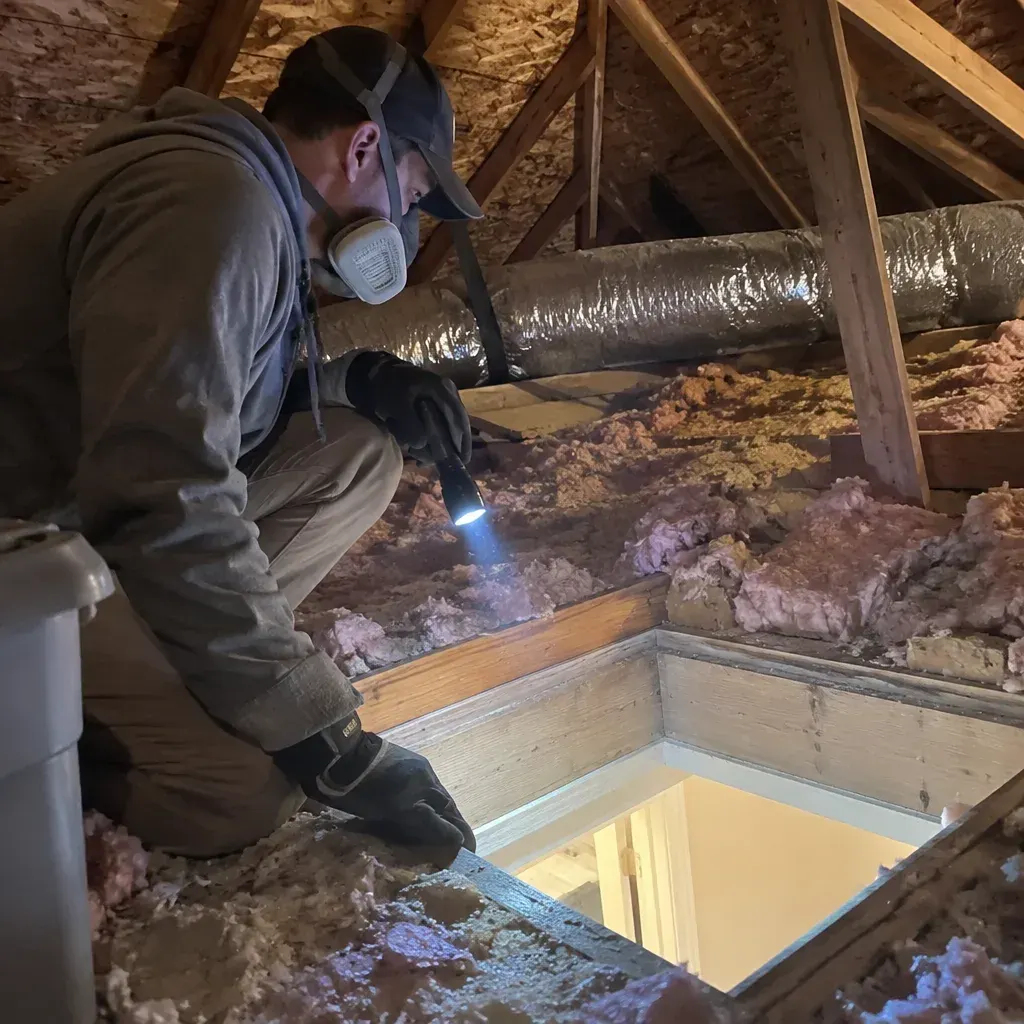
Look for a pattern across the room: several clues along one wall may show a route, while a single damaged package gives less context. In a home, compare where pellets appear with nearby shelves, pipes, and stored items; at a small business near Monument Square, note whether signs cluster around a stock area or utility corner. A repeated trail or new damage can strengthen the case that rodents are active. Keep your observations to visible details, since an inspection is needed to interpret uncertain signs.
Keep Clear of Suspected Waste
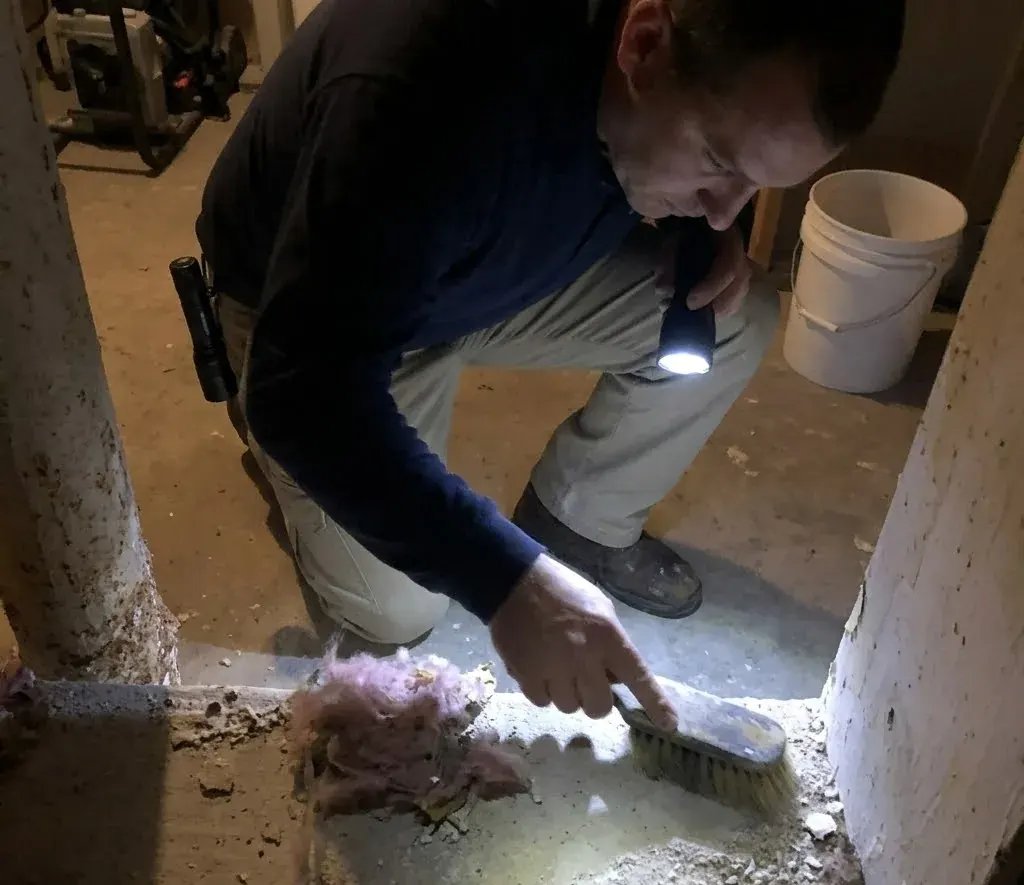
Keep children and pets away from any area with suspected droppings, urine, or nesting debris. Rodent waste may carry germs, and disturbing it can send contaminated dust into the air, so do not sweep, vacuum, or handle suspicious material as part of your first look. In a Kenosha home, close off access to the affected corner if you can do so without approaching the debris. The same caution applies in a small commercial property, where staff or visitors might otherwise pass through the area.
From a clear spot, write down what you can see and where it is: the wall, shelf, pipe, or storage area nearby can help place the clue later. You can record whether the sign appears new, whether other marks sit close by, and whether the same area shows activity again. A Kenosha homeowner might note a change beside a basement stair, while a shop near Reefpoint Marina could track a recurring mark by back-room shelving. Keep the record factual; avoid moving boxes to uncover more.
Account for Hidden Areas and Food
Crowded storage can hide the edges of a room and make it harder to tell where signs begin or end. Note which wall sections, corners, or shelves you cannot see clearly rather than rearranging belongings around suspected activity. In a Kenosha basement, a blocked foundation edge may leave the route uncertain; in a small commercial storeroom near North Beach, tightly packed stock can obscure the floor beneath shelving. Those limits matter because an observer or pest professional may need a clear account of what was visible and what remained concealed.
Consider whether food or animal feed is reachable in the basement, including crumbs or loose material around a storage area. Note any droppings, gnaw marks, or nesting material as separate clues from food access. In Kenosha homes and small shops alike, record any open food source you notice. That context helps distinguish a possible feeding spot from an access point or a place where rodents simply pass through.
Note Possible Routes and Ask What Follows
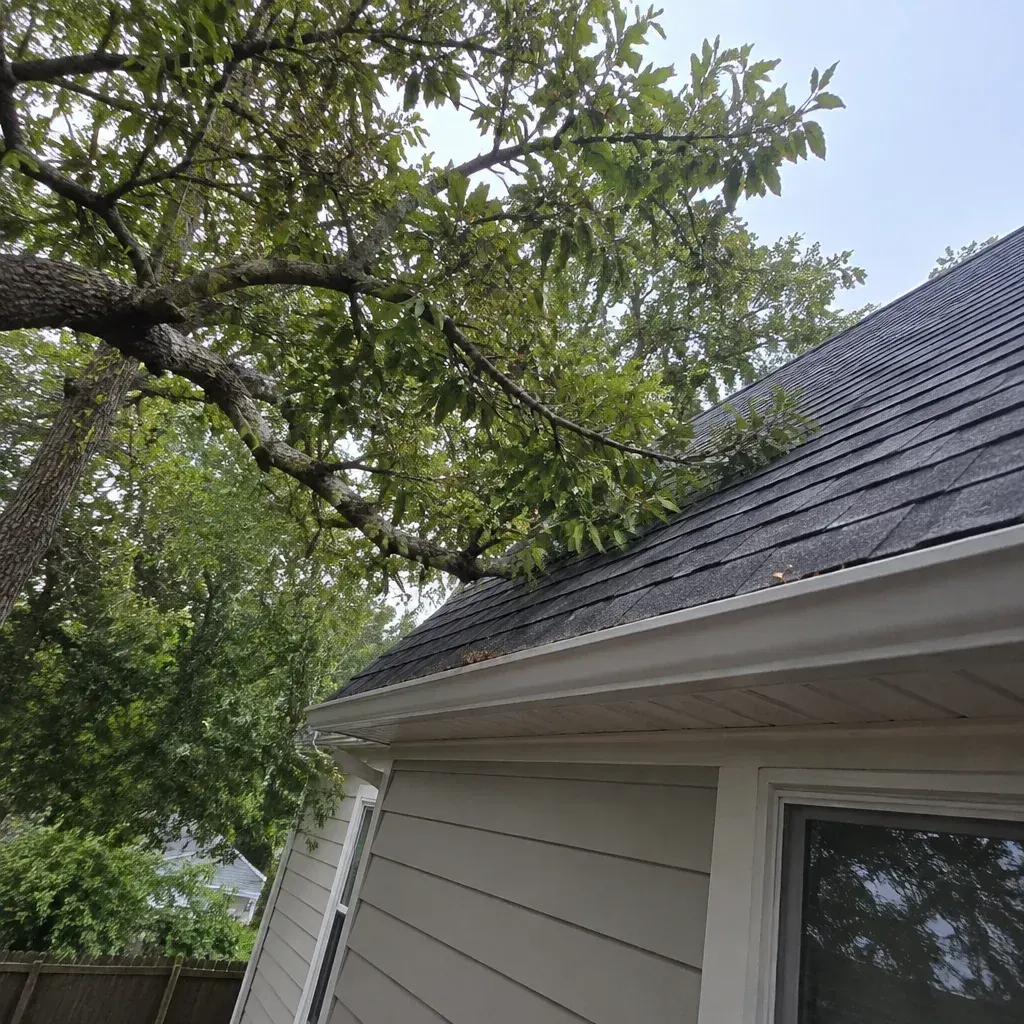
From where you are standing, check visually for openings around pipes, utility lines, door edges, or the foundation. Mice can use very narrow gaps, while rats may pass through broader ones; the size and location of a visible opening can help an inspection assess a possible route. Do not treat every crack as evidence of rodent entry, and do not disturb the suspected area to get a closer view. In Kenosha, note the opening's position in relation to the signs you already recorded.
In Kenosha, begin by noting where droppings, gnaw marks, or nesting scraps appear, and whether clues cluster in one corner or form a route. A mouse sighting can signal activity nearby; repeated evidence gives an inspector more to compare when checking how rodents move through a basement. Keep children and pets away from suspicious material, and avoid stirring it up. Whether your home is near Prairie Springs Park, Lake Michigan Park, or RecPlex, conditions need a property-level look. If signs continue, consider requesting an inspection from the pros we connect you with.
Dealing with rodent activity in your home?
Start by noting where you saw activity, then ask what a visit would cover. In Kenosha, a home near North Beach and a small business by Monument Square may have different layouts, so the pros we connect you with need your address and a brief description before they can discuss fit. Ask whether your property is within their service area, what appointment timing is available, and whether the visit carries a charge. If you have noticed sounds or damage, describe where they occur; a site visit can help identify activity and possible entry routes.