Warehouse Rodent Control
Kenosha Warehouses
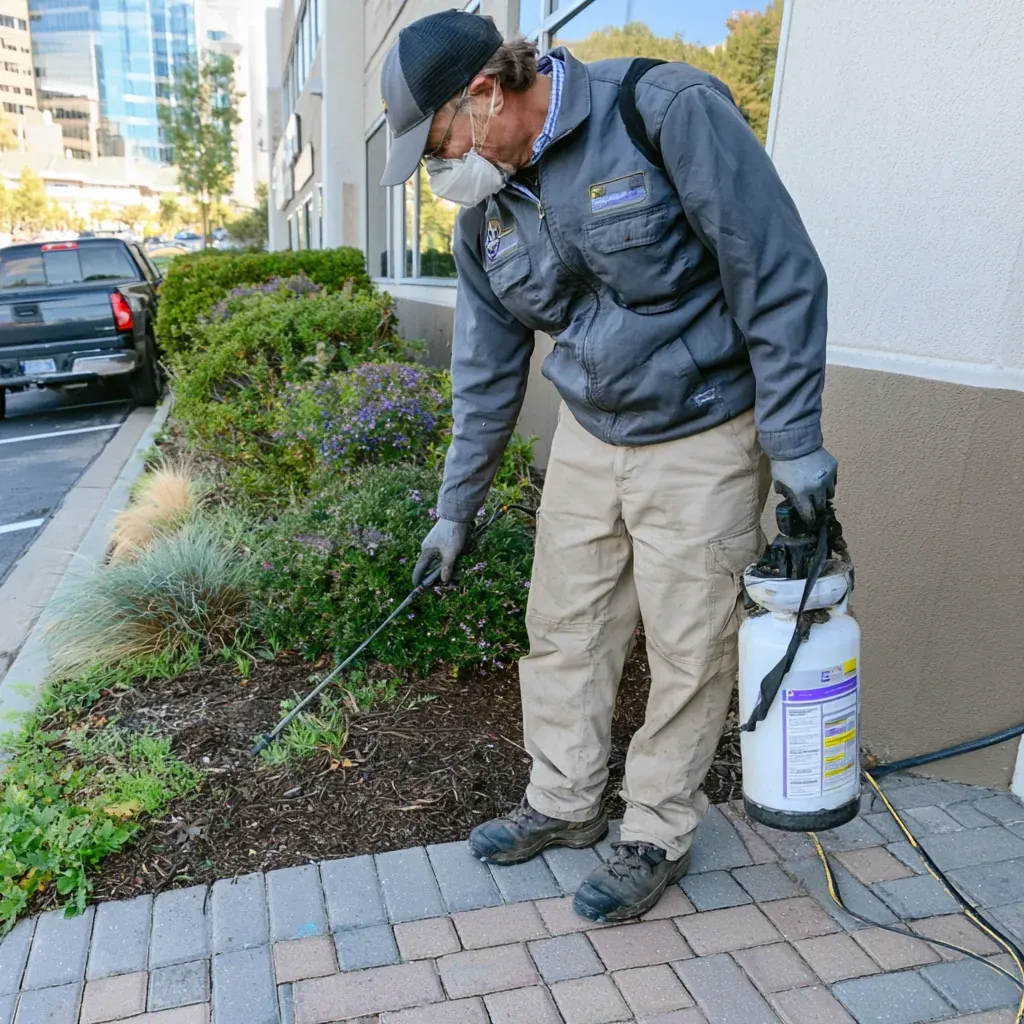
Plan office rodent control around room access, staff reports, and the operating schedule at each Kenosha site.
Offices can limit disruption by mapping reports to rooms, arranging entry with the staff who control those spaces, and choosing visit times around occupancy. A shared reporting route and dated follow-up notes help teams track recommendations across locations.
Office rodent control works best when you map the reported activity, understand how the office is used, then arrange service around access and operating limits. In Kenosha, mice in office buildings can affect a quiet workroom differently from a shared break area, so the response should fit the rooms involved. Note where signs appeared, who can open those spaces, and when employees or visitors rely on them. That gives the pros we connect you with a practical starting point for an assessment and helps you plan communication before a visit.
Start with the parts of the workplace that may help explain recurring activity: food storage, supply cabinets, waste areas, and routes near utility lines. Sealed food containers and routine crumb removal can reduce available food, while an open gap around a pipe may still provide access. In Kenosha, an office near Monument Square may have a different layout from one near Festival Park; the useful plan comes from the building itself. Keep those observations together so service can address conditions as well as sightings.
A service plan should account for how people move through the office, including reception, conference rooms, and shared corridors. Identify spaces that need advance notice or a staff escort, then ask how the proposed work will fit those limits. A visit may involve trapping or baiting based on findings, and open entry points may call for sealing or prevention guidance. For commercial office rodents, matching each action to an agreed area helps you avoid unnecessary access requests and keep employees and visitors informed.
Make each report specific enough to compare with later observations. Ask the employee to describe what they saw or heard, the room or nearby feature, and when it happened; droppings and gnaw marks can help locate activity, but a report alone does not establish its source. In Kenosha, reports from an office near North Beach should still be evaluated by the conditions inside that workplace. A consistent record lets you share useful information with the service provider without turning an uncertain observation into a conclusion.
Access details can determine which parts of an office are available during a visit. Note whether a room stays locked, who can escort a visitor, and whether equipment or stored materials restrict the route. If a confidential work area has separate entry rules, agree on those arrangements with the responsible staff member before scheduling. The pros we connect you with can then know which spaces are ready to enter and where coordination is still needed, reducing last-minute interruptions for employees and visitors.
| Work area | Access window | Staff reports |
|---|---|---|
| Activity area | Room or shared space where signs appeared | Direct attention to the affected area |
| Food and storage | Whether the area holds food or supplies | Plan access around its daily use |
| Utility access | Relevant utility spaces and entry arrangements | Arrange entry with the responsible contact |
| Staff contact | Person who can report activity and open rooms | Route questions and access requests clearly |
| Visit window | Busy periods, quiet hours, and visitor traffic | Choose a time that fits office routines |
| Directions cue | Kenosha address; Monument Square or North Beach only if useful | Add a landmark only when it clarifies directions |
| Service summary | Areas reviewed and observations shared | Give staff a clear account of the visit |
| Open task | Remaining action, assigned contact, and progress | Keep unresolved items visible for later review |
Food and supply areas deserve separate notes because their contents and routines differ. Record where staff keep snacks, whether containers close securely, and where waste waits for removal; these details can help explain why activity returns to a particular room. A Kenosha office near the Dinosaur Discovery Museum might have a shared kitchenette, while another workplace may keep food at individual desks. Describe what is actually present rather than assuming every office needs the same preparation, and include any storage area that employees rarely open.
Utility and storage rooms can be missed when the person arranging service does not control those spaces. Find out who manages access, whether a key or escort is required, and if shelving or equipment blocks the walls, pipe openings, or door edges. Small gaps around service lines may provide a route into a building, so note visible openings for the assessment. In Kenosha, a workplace by the Civil War Museum should be planned from its own layout and access rules, not from its landmark location.
Build the appointment around actual office use. Mark periods when reception is busy, rooms are booked, or visitor traffic makes certain areas harder to reach, then identify quieter windows that staff can support. If work needs to happen outside normal hours, confirm who can provide entry and whether building procedures allow it. For an office in Kenosha, this scheduling detail can help the provider focus on accessible areas while keeping shared spaces available when employees or visitors need them.
Give employees one clear way to pass along new observations, such as a named facilities contact or an internal reporting channel. Ask them to include the location and time, and to describe the sign without guessing whether it came from a rat or mouse. This keeps scattered remarks from becoming conflicting accounts and gives you a record to share at the next service visit. Offices around the Kenosha Public Museum can use the same simple reporting approach as any other workplace, adjusted to its own staff structure.
Before service, tell affected employees what rooms may need to be opened, who will coordinate entry, and whether the schedule could shift. Keep the notice limited to people whose work or access may be affected, and provide a contact for questions or new reports. If visitors use the same rooms, consider how reception staff should direct them during the appointment. Clear, timely information helps the office prepare the relevant areas without asking everyone to change their routine.
Keep recommendations, completed work, and later observations in a single site history so you can see how the response developed. Include which areas were addressed and any access or building conditions that limited the visit. That record helps separate an unresolved issue from a new report in another room, and it gives the next discussion a concrete starting point. For an office in Kenosha, a local contact can maintain the notes even when different managers oversee separate floors or departments.
After service, record what staff have noticed since the visit and whether the provider recommends another review. Follow-up checks can show whether activity persists or whether a control measure needs attention; the timing should come from the agreed service plan. If a room was unavailable during the first appointment, note that gap so the next visit can account for it. This makes follow-up useful for decisions instead of a calendar entry with no connection to what happened on site.
When your organization has several offices, maintain a separate history for each address and give each one a local person who can arrange entry. A central coordinator can compare requests and track follow-up, while site contacts explain differences in hours, food storage, or room access. An office near Simmons Island Park should not inherit another location's assumptions about its layout or activity. Shared record habits can simplify coordination without blending observations from distinct workplaces.
Before requesting a rodent inspection, gather the reported locations, access contact, and hours or rooms that have scheduling limits. Add relevant notes about food storage, utility spaces, and any visible opening that may need review. You can also ask how the provider will document recommendations and arrange follow-up, so the service history begins with a clear plan. In Kenosha, this preparation gives the pros we connect you with a useful picture of the office and helps you coordinate the assessment with staff.
Start with where staff have noticed signs, then map those reports to rooms, food or storage areas, and utility spaces that may need arranged entry. In Kenosha, an office near the Kenosha Public Museum can use its street address alongside an internal room label to keep notes tied to the right site. The pros we connect you with can then plan a visit around access rules and occupied periods. After service, compare follow-up notes with new reports and assign any recommended building tasks to the people responsible for them.
For homes throughout Kenosha, use the places below to locate where you can inquire about rodent assessment and possible control for your property, includingPleasant Prairie, Bristol and Sturtevant. Before arranging service, ask how the inspection and any later visits are billed, and whether reaching your property adds a travel charge.
For offices, pricing often follows the service visits requested and the square footage included. $80–$175 offers a comparison point. Shared kitchens, storage rooms, building access, and findings around doors or pipe openings can affect how much inspection, device attention, and exclusion work the proposal covers.For a commercial property, continued monitoring can add return visits and device checks, increasing the work included in the quote. When you call, describe the signs you have found, ask whether inspection has a separate charge, and request the planned treatment and follow-up work in writing.Review the full set of rodent-control bands through pricing guide; commercial overview shows how scheduled commercial service is arranged.
Kenosha Warehouses
Apartment Rodent Control
Kenosha Restaurant Service
Keep a running log that identifies the room, the date, and what prompted the report, such as a sound or damaged item. In Kenosha, add the site's street address when an organization has more than one office, and note whether the observation came from staff or a visitor. After a service visit, attach the provider's findings and any recommended action to that location's record so later reports can be compared.
A visit may fit outside busy periods if the provider's schedule and your building's access rules allow it. Tell the pros we connect you with when visitors are present, which rooms must stay open, and when a keyholder or escort can meet them. An office near Simmons Island Park can set its own workable window; the location alone does not determine timing. Confirm any rooms that need a separate appointment.
Give staff one route, such as a facilities request or a named internal contact, and ask them to include the room and when they noticed the sign. That lets someone check the location and arrange entry without sending visitors or unrelated teams into the process. In Kenosha, an office near the Dinosaur Discovery Museum can add its street address to distinguish its report from another site in the same organization.
The rodent inspection cost can change with the number of rooms, how much storage or utility space needs to be reached, and whether access requires coordination with several staff members. Food areas may also need an agreed entry window with the people who oversee them. For offices in Kenosha, describe the layout and access limits when requesting an assessment; the provider can explain what the proposed visit includes.
Before requesting an office assessment in Kenosha, note the reported rooms, access contacts, and operating periods that affect entry.
Call (262) 665-0359