Apartment Building Rodent Control
Apartment Rodent Control
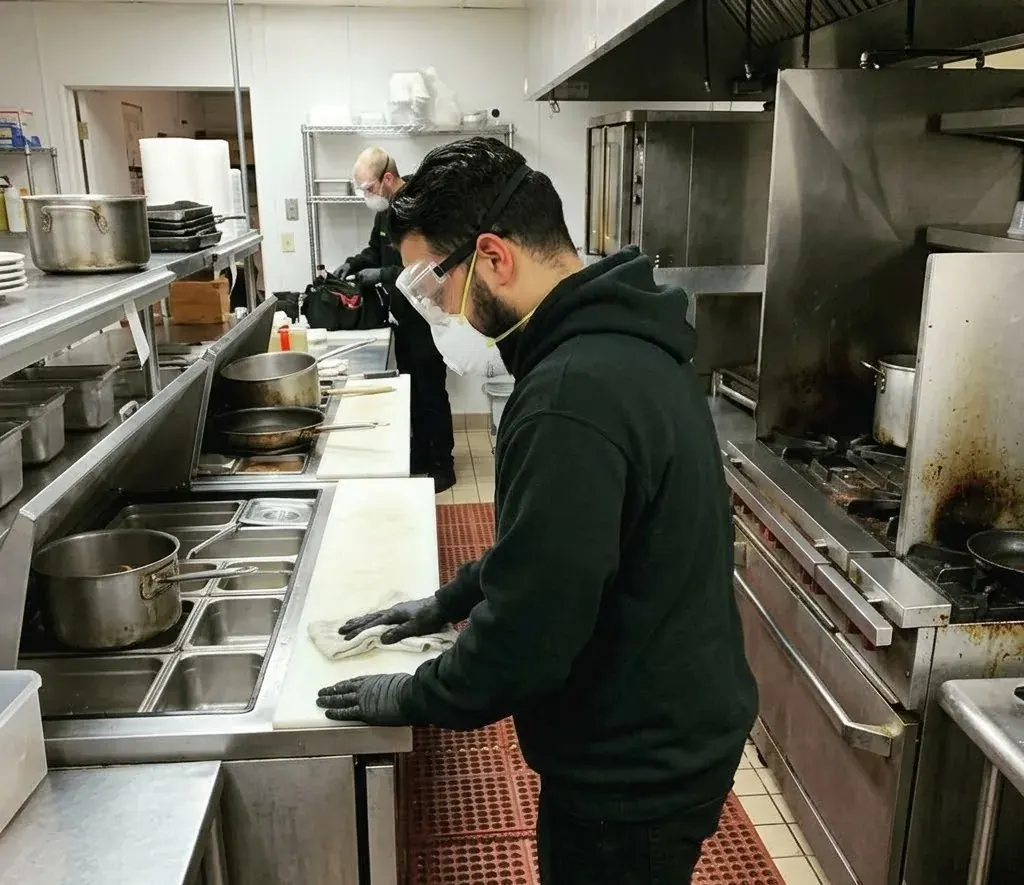
Keep restaurant findings, completed corrections, and follow-up notes connected to the site they describe.
A restaurant can address rodent activity by documenting where and when signs appear, protecting food, correcting sanitation or access issues, and keeping inspection and repair notes together. Site-specific follow-up helps managers see whether activity changes and what still needs attention.
To address rodents in restaurants, start by matching each report to the area and conditions where it occurred; then use that history to guide inspection and corrective work. In Kenosha, a record tied to the restaurant’s address helps keep its findings distinct, even when managers oversee more than one site. The pros we connect you with can use those details to assess activity and recommend next steps. Clear records make repeat signs easier to compare over time.
Map how ingredients, deliveries, dishes, and refuse move through the restaurant before drawing conclusions from a sighting. A sign by a receiving door may call for a different check than one beside dry goods or the dish area. In Kenosha, staff can label locations with the restaurant’s own room names and note changes in use. A consistent map helps the pros we connect you with follow the reported route without confusing one work area with another.
When activity is found during service, first identify whether food or food-contact surfaces could be affected, then restrict access to the specific area until staff can address it safely. Keep a brief record of what was protected, what work paused, and who received the handoff. A Kenosha restaurant near Festival Park, for example, may have different busy periods than another operation; the response should fit its actual schedule and safe access needs.
A useful activity log lets a manager compare reports without relying on memory. Record the date and time, exact room or fixture, sign noticed, and whether staff saw it directly or found it later. Note nearby food, waste, or a recent change in the area only when it helps explain the observation. For a Kenosha restaurant, these details give the pros we connect you with a clearer starting point and help staff recognize whether a later report concerns the same location.
Add practical access details to the record so inspection findings can be understood in context. Note when a delivery blocks a doorway, when a storage room is secured, or which shift can provide access; avoid recording keys or other sensitive access information in an open log. Near Monument Square or elsewhere in Kenosha, the address should identify the site, while room labels identify the concern. That distinction keeps observations usable if managers compare records across locations.
| Site area | What was found | Record to keep |
|---|---|---|
| Site reference | Kenosha address; nearby Reefpoint Marina or Johnson Wax area, if useful | Keep each report linked to the correct property |
| Inspection date | Date and service period | Compare notes in order to see when signs returned |
| Recurring activity log | Droppings, gnawing, sounds, or damaged packaging | Record what was observed and its exact area |
| Food protection | Exposed ingredients or packaging needing review | Note what staff protected, removed, or set aside |
| Operating access | Service hours, delivery windows, and restricted rooms | Help schedule checks around restaurant activity |
| Sanitation notes | Crumbs, spills, and waste handling conditions | Track corrections that may change available food sources |
| Entry gaps | Openings near doors, pipes, or utility lines | Follow whether repairs close observed access routes |
| Follow-up status | New signs, device condition, and completed repairs | Use changes over time to guide the next assessment |
Track food and refuse conditions as specific observations, not as a general judgment about cleanliness. Staff can note a torn package, an uncovered ingredient, crumbs beneath a fixed appliance, or a bin that remained open after removal. Sealed food containers and prompt crumb removal limit available food, but do not close a route into the building. In Kenosha, keeping these corrections alongside activity reports helps managers see whether a recurring sign changes after a particular condition is addressed.
If droppings or urine are found near food preparation, keep people and exposed food clear while the area is handled safely. Avoid sweeping or vacuuming dry material, which can stir dust into the air; follow safe cleanup guidance for contaminated surfaces before returning them to use. Record the affected surface and when it was taken out of service and cleaned. This gives a Kenosha manager a traceable note if a later inspection raises concern about the same area.
After the interior report is located, check for a plausible route through doors, utility openings, or gaps where pipes pass through walls. Small openings can admit rodents, and a repair should address the opening actually found rather than a different location mentioned in an older note. Record who was assigned to arrange the repair and whether it was completed. For a Kenosha restaurant, that history helps connect recurring interior activity with exterior or building maintenance work.
A service record should connect the assessment to the restaurant areas it covered and state what was observed there. Keep the visit date, site address, room labels, findings, and agreed corrections together, including tasks assigned to restaurant staff. Write down unresolved concerns so they remain visible at the next review. For a Kenosha operator, a complete record can clarify whether a repeated report reflects a continuing issue, a new location, or work that still needs follow-through.
If the plan uses traps or bait stations, the record should identify each device location and who is responsible for checking it. Staff need to know which areas to leave accessible to the service provider and which precautions apply during restaurant operations. Keep those instructions with the site record so shift changes do not obscure responsibility. A Kenosha restaurant can use a simple location reference, such as a labeled room or fixture, rather than relying on a verbal description that may change between employees.
Rodent follow-up monitoring compares later observations with the original concern and checks whether control devices need attention. Use the same room names and note both new signs and areas with no new findings; either result helps show what changed. The service plan determines when checks occur. In Kenosha, keeping each review with the earlier record lets managers see whether activity returns in one spot or appears somewhere new, and whether a corrective task remains open.
For restaurants with multiple locations, keep one shared way to record findings but preserve a separate history for each address. A manager may compare recurring types of concern across sites without treating one restaurant’s quiet record as evidence about another. If a Kenosha business has more than one location, consistent labels make patterns easier to review while site-specific details show where work is needed. This keeps decisions tied to observed conditions at each restaurant.
Before requesting a site-specific assessment, gather the restaurant address, sighting notes, affected areas, operating hours, and access needs. Add relevant service records and a short account of sanitation or maintenance corrections already completed or still pending. If staff use a landmark such as North Beach to orient visitors, keep it separate from the address and inspection-area labels. These details help the pros we connect you with understand the Kenosha restaurant’s reported conditions and plan an assessment around its actual operation.
Set a clear handoff for new observations, restricted areas, cleanup, access, and repair updates. Name the role responsible for each task and where its completion should be recorded, so information survives shift changes. After the assessment, give one contact responsibility for receiving the findings and updating the site record. For a Kenosha restaurant, this process keeps staff and the pros we connect you with working from the same account of what was found and what remains to be done.
For restaurant rodent control in Kenosha, a useful service record connects each observation to a place, a date, and the action taken. Keep the original finding beside later inspection notes, repair updates, and rodent follow-up monitoring so a manager can see what changed and what remains unresolved. A record tied to a specific kitchen, storage room, or waste area is easier to act on than a general entry for the building. Whether your restaurant is near Lake Michigan, the Civil War Museum, or Kemper Center, the notes should describe that site’s conditions rather than assume another location has the same pattern.
For homes throughout Kenosha, use the places below to locate where you can inquire about rodent assessment and possible control for your property, includingKenosha, Pleasant Prairie and Bristol. Ask whether travel is part of the service charge and what additional visits, if needed, would add to the total.
For offices, pricing often follows the service visits requested and the square footage included. $80–$175 offers a comparison point. Shared kitchens, storage rooms, building access, and findings around doors or pipe openings can affect how much inspection, device attention, and exclusion work the proposal covers.For a commercial property, continued monitoring can add return visits and device checks, increasing the work included in the quote. When you call, describe the signs you have found, ask whether inspection has a separate charge, and request the planned treatment and follow-up work in writing.Review the full set of rodent-control bands through pricing guide; commercial overview shows how scheduled commercial service is arranged.
Apartment Rodent Control
Office Rodent Control
Kenosha Warehouses
Write the date, shift, exact area, and what staff observed, then note any immediate steps taken under the restaurant’s food-safety procedures. Add nearby conditions that could matter, such as a delivery in progress or a door left open for receiving. Keep the entry factual and attach it to the correct Kenosha location so a later inspection can compare like areas and clarify whether the sign is new.
Share the hours when food is prepared, received, and served, along with periods when storage or utility rooms are accessible. Identify a manager who can open restricted spaces, and note which areas must stay clear during active work. A Kenosha restaurant can then discuss a practical inspection window with the pros we connect you with, based on the rooms and schedule involved.
Include tasks that address residue in less visible places, such as beneath movable equipment, behind storage racks, and around waste containers. Keep ingredients secured when they are not in use, and record recurring cleanup issues that need an owner or schedule change. These steps reduce accessible food; they do not close building gaps, so note suspected openings for separate review.
Compare the new observation with earlier entries for the same area, then check whether a repair or sanitation correction was completed. Ask the pros we connect you with to document what they found and whether a device needs attention during rodent follow-up monitoring. Keep the next check tied to the service plan, and assign any unfinished correction to a manager.
Gather sighting notes, affected rooms, operating hours, and access limits before requesting a site-specific assessment in Kenosha.
Call (262) 665-0359